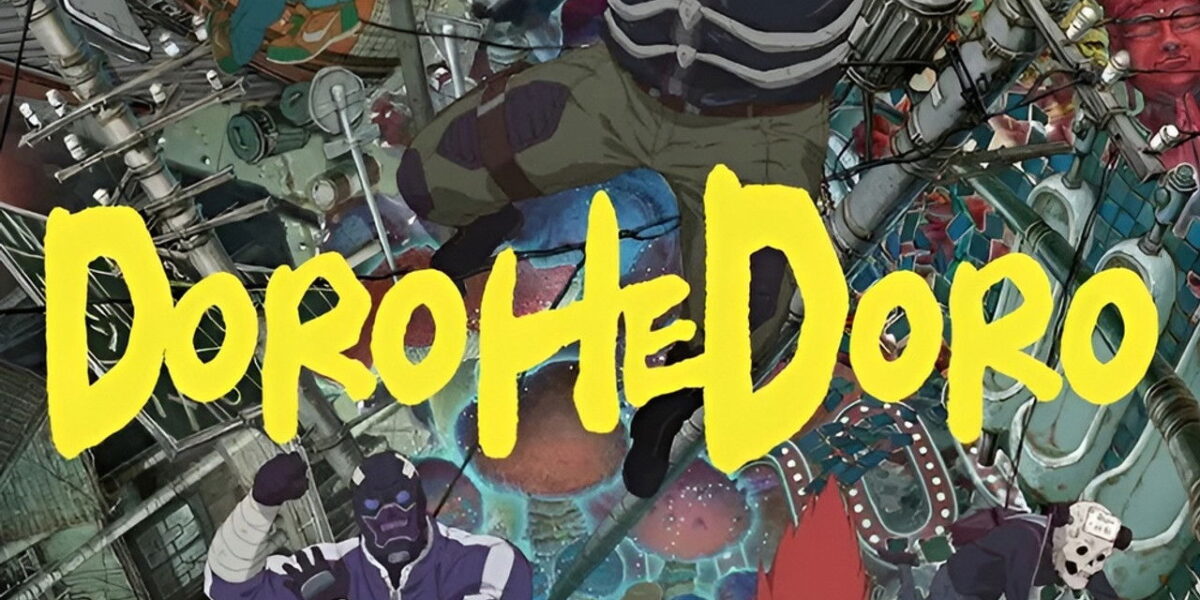
Dorohedoro: Ending Explained — Ultimate Breakdown
Dorohedoro is one of those rare animated series that wears its madness like armor, daring you to look deeper beneath the gore and grotesque humor. The 2020 adaptation of Q Hayashida’s manga drops viewers into a world where identity is literally stolen, where a man with a lizard’s head hunts for truth in a city that swallows people whole. What does its ending actually reveal — about Caiman, about memory, about what it means to be human?
What happens at the end
The first season’s climax tears away any illusion of easy resolution. Caiman and Nikaido push further into the truth of his curse, only to discover that the mysterious man living inside Caiman‘s severed head holds answers neither of them expected. Meanwhile, the sorcerer factions — led by the chilling En — converge violently on the Hole, colliding with the duo’s desperate search in ways that feel simultaneously chaotic and inevitable.
The revelation that Nikaido herself is a sorcerer — a fact she has concealed from Caiman — lands like a blade. Her Time Magic is exposed, shattering the trust at the heart of their partnership. This betrayal is not born of malice but of survival and love, which makes it infinitely more devastating and thematically resonant than a simple act of deception would ever be.
The deeper meaning
At its symbolic core, Caiman‘s lizard head is a masterful metaphor for dissociated identity — the terror of not knowing who you are beneath the face the world assigns you. The Hole itself functions as a metaphor for marginalization: a place where the powerless absorb the cruelty of those who wield magic freely. Caiman‘s amnesia is not merely a plot device; it is the show’s central philosophical wound, asking whether identity survives erasure.
The creators use Nikaido‘s secret to interrogate the impossible ethics of self-preservation. She chose survival over transparency, and the series refuses to condemn her for it. This moral ambiguity feels entirely intentional — a deliberate dismantling of the clean hero-and-villain architecture that lesser genre works depend upon. Everyone in this world is simultaneously predator and prey, cursed and cursing.
Hidden details & easter eggs
Sharp-eyed viewers will notice that the interior of Caiman‘s mouth — the space where the mysterious figure delivers his verdicts — is lit with a warm, almost domestic glow, visually contrasting the surrounding violence. This is not accidental. That warmth suggests the presence inside is not hostile but protective, a guardian consciousness rather than a parasite. Early episodes also plant subtle visual rhymes between Caiman‘s movements and those of Nikaido, encoding their bond long before dialogue confirms its depth.
Connections to the rest of the series
The series plants its foreshadowing with extraordinary patience. Nikaido‘s unease whenever magic is discussed in her presence reads, in retrospect, as barely contained confession rather than simple discomfort. The recurring motif of gyoza — food as intimacy, as the one uncorrupted ritual between the two protagonists — gains tragic weight once her secret surfaces. Foreshadowing here is embedded in texture and routine, not exposition, which is precisely what elevates Dorohedoro above conventional genre storytelling.
Fan theories
One compelling theory argues that the man inside Caiman‘s head is his original self — the pre-curse consciousness of a sorcerer who chose to forget his own power. Evidence includes the figure’s calm authority and apparent familiarity with the sorcerer world. Against this reading stands the ambiguity of his criteria for judgment, which seems external rather than autobiographical. A second theory posits that Nikaido‘s Time Magic is directly connected to the origin of Caiman‘s curse, making her both his greatest ally and an unwitting architect of his suffering. You can explore cast and production details further on IMDB.
FAQ
Who is the man living inside Caiman’s head?
His true identity remains one of the series’ most protected mysteries. He appears to be a consciousness separate from Caiman, capable of recognizing — or failing to recognize — sorcerers. Many believe he is Caiman‘s original self, suppressed by the curse transformation.
Why did Nikaido hide her magic from Caiman?
Nikaido concealed her Time Magic because sorcerers are despised and hunted in the Hole. Revealing her power would have endangered her life and, more painfully, risked destroying the only genuine bond she had ever formed.
Is Caiman actually a sorcerer?
The series strongly implies it. His physical resilience, his connection to the mysterious inner figure, and certain narrative clues in the manga source all suggest his origins are far more entangled with the sorcerer world than his amnesiac identity allows him to recognize.
What does the Hole represent thematically?
The Hole functions as a metaphor for a society defined by powerlessness — a place where ordinary people absorb magical violence with no recourse. It critiques systems where the privileged treat the vulnerable as both laboratory and target without consequence.
Will there be a second season that resolves the story?
A second season has been announced and is anticipated to adapt further arcs from Q Hayashida’s manga, where many of the series’ deepest mysteries — including Caiman‘s true origin — receive their full, devastating answers.