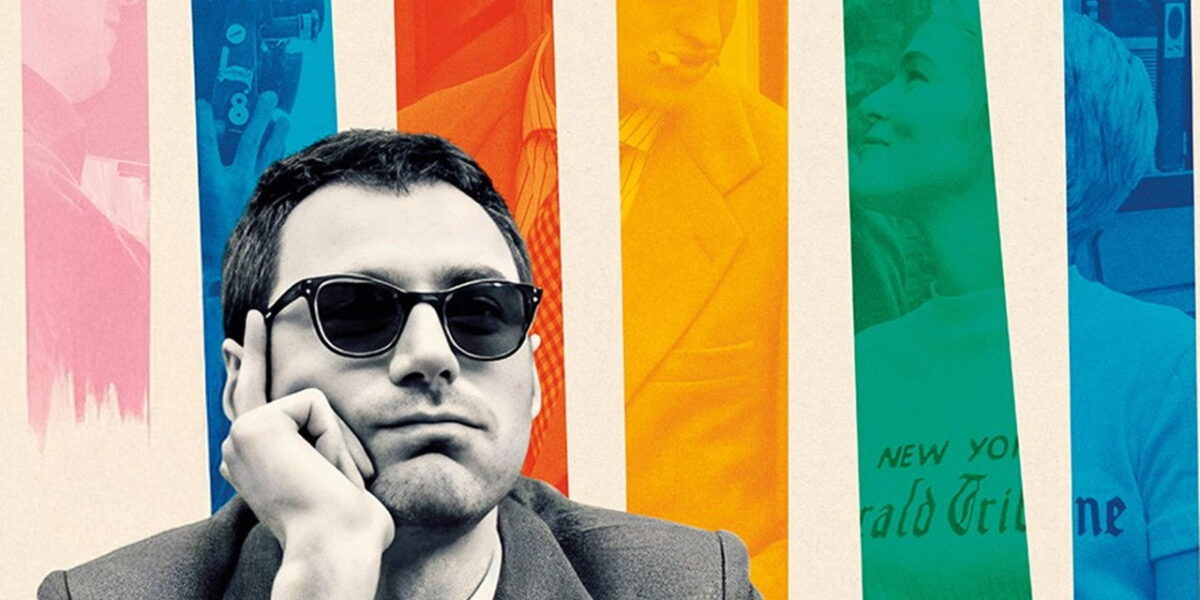
Nouvelle Vague: Honest Review — Is It Worth Watching? | 7.4/10
Nouvelle Vague is Richard Linklater doing what he does best: turning creative process into intimate comedy-drama, except here the canvas is the birth of French New Wave cinema and a young Jean-Luc Godard’s manic energy. The film doesn’t quite reach the brilliance of its own subject, but it’s a genuinely charming love letter to filmmaking that earns its place in any cinephile’s watch list.
| Director | Richard Linklater |
| Cast | Guillaume Marbeck, Zoey Deutch, Aubry Dullin, Adrien Rouyard, Antoine Besson |
| Runtime | 106 minutes |
| Genre | Comedy, Drama, History |
| Year | 2025 |
The plot (no spoilers)
Nouvelle Vague follows a cocky, restless young critic who abandons his typewriter at Cahiers du cinéma to prove that actually making films beats writing about them, which is peak arrogance and exactly the kind of energy that births revolutions. He drags producer Georges de Beauregard into his vision, tags in fellow filmmaker François Truffaut to help shape a gangster couple narrative, and somehow, miraculously, they end up creating Breathless—one of cinema’s most influential features and the spark that ignited the entire French New Wave era.
The movie plays as a behind-the-scenes comedy-drama about creative chaos, ego clashes, and the beautiful accident of making something that changes everything, pitched somewhere between a screwball comedy and a genuine meditation on artistic conviction and blind luck.
Acting & direction
Guillaume Marbeck captures the manic, insufferable brilliance of young Godard without turning him into a caricature—there’s real hunger and confusion under the arrogance, which is the only way to play a genius at that age. Zoey Deutch brings quiet intelligence to her role, acting as an emotional anchor when the film threatens to disappear into pure intellectual posturing, while the supporting cast keeps the energy snappy and grounded.
Linklater’s direction here is deliberately restrained—he’s not trying to out-innovate his subject, which is smart, and instead he leans into naturalistic dialogue and long takes that let these characters breathe and contradict themselves without the camera screaming for attention. The cinematography mimics the era without becoming a museum piece, and the pacing trusts that watching people argue about cinema is entertaining enough when the argument matters.
The strengths
- The film understands that creative obsession is both beautiful and ridiculous, and it refuses to choose a side, letting both truths coexist in every scene.
- Linklater’s dialogue crackles with specificity about filmmaking—you can feel someone who actually lives cinema behind these conversations, not a screenwriter faking it.
- The final act, when you see how chaos and accident and pure intention collide to birth Breathless, carries genuine emotional weight and makes you want to immediately rewatch the actual film.
- The ensemble cast feels like a real creative family, complete with affection and friction and the weird jealousy that happens when talented people share a vision.
The weaknesses
- At times the film disappears too far into inside-baseball filmmaking talk, and if you’re not fluent in French New Wave theory and history, entire scenes can feel like watching people speak in code without the satisfaction of eventual payoff.
- The movie doesn’t quite capture Godard’s actual intellectual force—it presents him as a brilliant chaos agent, but it softens his genuine radicalism into something more palatable and dramatically conventional than the historical figure warrants.
- A subplot involving romance feels obligatory and takes screen time from more interesting creative friction, diverting energy when the film should be leaning into pure artistic obsession.
Who should watch it
If you’re the type who reads Sight & Sound, rewatches Truffaut and Godard on repeat, and genuinely gets excited about the historical mechanics of cinema movements, then this is your film—it’s a comedy-drama made by someone who respects your intelligence and assumes you know why this story matters. You should also watch it if you loved Linklater’s Before trilogy and his ability to make dialogue-heavy character pieces feel utterly alive, because he’s doing the exact same thing here but with the history of cinema as his backdrop.
Final verdict
Nouvelle Vague is a minor masterpiece that knows exactly what it is and doesn’t overstep—it’s a love letter to the creative process disguised as a historical drama, made by a director who genuinely understands that filmmaking is equal parts vision and accident and magnificent failure. It won’t change your life the way Breathless did in 1960, but it will remind you why cinema matters and why people become obsessed with it, which in 2025 feels like a radical act of faith. This is essential viewing for film lovers, comfortable viewing for everyone else, and worth your time either way because it’s made with genuine affection for both its subject and its audience.
FAQ
Is Nouvelle Vague a real story about the making of Breathless?
Yes, it dramatizes the actual 1960 production of Jean-Luc Godard’s Breathless, blending historical fact with invented scenes and dialogue to capture the creative energy and chaos behind the film that launched the French New Wave.
Do you need to have seen Breathless to understand Nouvelle Vague?
No, the film works as a standalone comedy-drama about creative obsession, but having seen Godard’s original film will deepen your appreciation of the meta-layers and give the final scenes genuine emotional resonance.
Is this a typical Richard Linklater film?
Yes—it’s dialogue-heavy, character-driven, and trusts the audience’s patience with quiet moments, following Linklater’s proven formula of turning ordinary creative conversations into something deeply human and funny.
How does Guillaume Marbeck’s performance compare to other biopics?
Guillaume Marbeck avoids the typical biopic trap of playing a historical figure as untouchable genius; instead he portrays Godard as flawed, uncertain, and genuinely human while maintaining the intellectual ferocity that made him revolutionary.
Is Nouvelle Vague worth watching if I’m not a film critic?
Absolutely—while cinephiles will catch deeper references, the film works as a charming, funny story about young people trying to make something meaningful against impossible odds, which is universal and doesn’t require film school to enjoy.