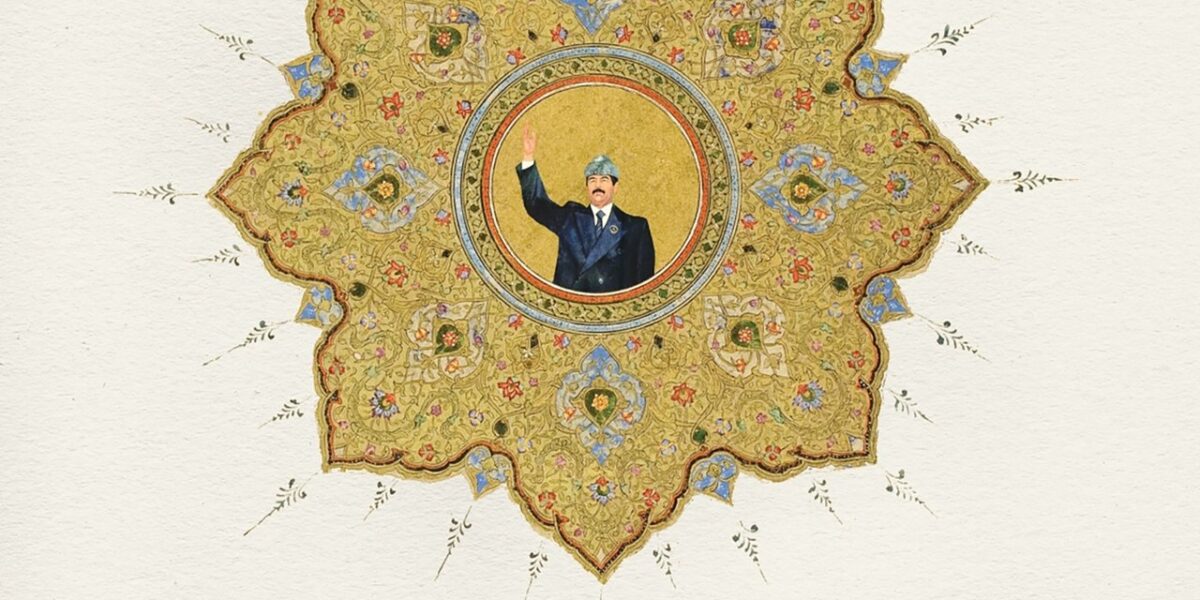
The President’s Cake: Honest Review — Is It Worth Watching? | 7.6/10
The President’s Cake is a gutsy, intimate portrait of childhood resilience under totalitarian collapse that cuts deeper than most war dramas dare to go. This is essential viewing if you want cinema that actually says something about power, hunger, and human dignity instead of just exploiting them for effect.
| Director | Hasan Hadi |
| Cast | Banin Ahmad Nayef, Sajad Mohamad Qasem, Waheed Thabet Khreibat, Rahim AlHaj, Muthanna Malaghi |
| Runtime | 106 min |
| Genre | Drama |
| Year | 2025 |
The plot (no spoilers)
The President’s Cake uses a deceptively simple premise—a nine-year-old girl tasked with baking a propaganda cake for Hussein’s birthday during the 1990s Iraqi sanctions—as a Trojan horse for something far more complex about childhood, agency, and the absurdity of tyranny. Young Lamia isn’t a tragic victim waiting to be pitied; she’s a scrappy problem-solver forced to navigate a system that treats human dignity as negotiable. The stakes are both intimate and devastating.
The film trades the bombastic spectacle of traditional war cinema for something quieter and more piercing: the texture of daily survival, the small rebellions of everyday life, the way kids learn to work systems adults have already surrendered to. You’re watching a child outthink an entire machinery of control with nothing but wits and determination, which sounds uplifting until you realize how dark that actually is. This isn’t feel-good trauma tourism; it’s grounded, unglamorous, and uncomfortably true to life.
Acting & direction
Banin Ahmad Nayef‘s performance as Lamia is the film’s beating heart—she carries the entire runtime on her shoulders without ever winking at the camera or performing “childhood” for our sympathy. She’s watchful, calculating, occasionally defiant, and her eyes do more work than most adult actors manage in a whole career. The supporting cast, particularly Sajad Mohamad Qasem and Rahim AlHaj, anchor the domestic and political texture without ever overshadowing the central narrative.
Hasan Hadi’s direction is restrained but purposeful—he shoots the bombed-out streets and rationed homes with documentary clarity, refusing to make poverty look beautiful or noble. The cinematography feels handheld and immediate, like you’re a ghost in these rooms watching desperation unfold in real time. The pacing is patient, sometimes frustratingly so, but that patience becomes part of the statement about what it means to wait, to endure, to survive on scraps both literal and metaphorical.
The strengths
- The film treats its protagonist as a fully realized human being rather than a symbol, which makes her victories feel earned rather than manipulative.
- Hadi’s refusal to sentimentalize either childhood or poverty creates an emotional honesty that most prestige dramas completely botch.
- The script uses the cake as metaphor without ever becoming heavy-handed about it, letting viewers find the parallels themselves.
- The sound design and use of silence is exceptional—you feel the weight of what’s unsaid as much as what’s spoken aloud.
The weaknesses
- The pacing occasionally feels glacial in ways that test patience rather than deepen contemplation, and some scenes could have landed harder with tighter editing.
- The film’s subtlety, while admirable, sometimes becomes so understated that thematic points get lost in the margins when they might have benefited from a bit more clarity.
Who should watch it
If you respond to coming-of-age dramas that don’t insult your intelligence, or political cinema that trusts its audience to draw conclusions, this is mandatory. This isn’t for people who need their stories to announce their meaning or provide neat emotional beats every fifteen minutes. Think Capernaum, The Square, or neorealist cinema—filmmakers who believe that showing life is more powerful than explaining it.
Final verdict
The President’s Cake is a small film doing large work, and that’s exactly what cinema should aspire to be. It’s not flawless—the runtime drags occasionally, and some viewers will mistake patience for slowness—but it’s honest in a way that feels rarer every year. Hasan Hadi‘s work announces itself as necessary cinema about resilience without ever pitying its characters, and that’s a threshold most filmmakers never reach. A solid 7.6/10 that deserves to find its audience.
FAQ
Is The President’s Cake based on a true story?
The film draws from the documented practice of Iraqi schools being forced to bake cakes for Hussein’s birthdays during the 1990s sanctions period, though the narrative of Lamia appears to be a fictionalized interpretation of that historical reality.
What age is appropriate to watch this film?
Due to themes of starvation, political oppression, and wartime hardship, this is best for mature teen audiences and adults—not younger children, despite the child protagonist.
How does The President’s Cake compare to other Iraqi cinema?
It shares the neorealist sensibility of films like Taxis Yellow and The Wound, but focuses more intimately on childhood agency rather than collective trauma narratives.
Does the film show violence or graphic content?
Violence is suggested and contextual rather than explicit; the brutality here is systemic and psychological, not visually graphic.
Why is the film called The President’s Cake?
The cake represents the absurd intersection of personal survival and state propaganda—it’s simultaneously a life-or-death task and a ridiculous gesture of totalitarian vanity.