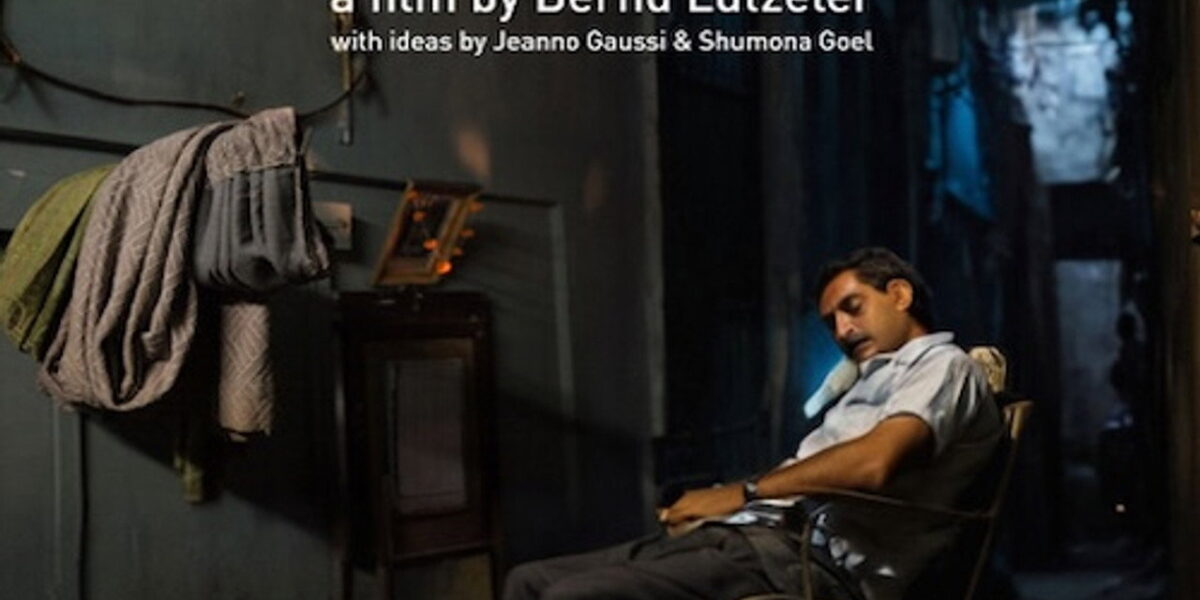
Analogue Natives: Honest Review — Is It Worth Watching? | 0.0/10
Analogue Natives is a genuinely peculiar beast that swings wildly between documentary integrity and self-sabotaging formal games, resulting in something that feels less like a finished film and more like a director’s fever dream committed to celluloid. Whether it’s worth your time depends entirely on your tolerance for experimental messiness and your investment in the specific tragedy of Mumbai’s analogue film technicians.
| Director | Bernd Lützeler |
| Cast | Mayur Kakde, Satish C Ajgaonkar, Swapnil B Sarnaik, Jaganath S Rangdhol, Kishore Rathod |
| Runtime | 26 minutes |
| Genre | Documentary, Experimental |
| Year | 2025 |
Analogue Natives: The Plot (No Spoilers)
Analogue Natives centers on four Mumbai film lab veterans who watched their entire livelihoods evaporate when the Hindi film industry made its brutal digital pivot around 2012 to 2014. The film sits with them—literally and philosophically—as they process the loss of their handmade craft, their businesses, their purpose, and the tactile knowledge that defined their working lives for decades. It’s a story about obsolescence, but told by someone determined to make obsolescence itself visible and strange on screen.
Lützeler’s approach is deliberately fractured: the narrative doesn’t march forward cleanly but instead drifts through Mumbai’s streets, mixing interview material with unrelated visual scenarios and even—and this is where things get truly divisive—sections that feel like AI-generated visual noise masquerading as aesthetic choice. The tone oscillates between genuine pathos and something closer to formal provocation, never quite settling into the comfortable rhythm you’d expect from a traditional documentary about displaced workers.
Acting & Direction
Mayur Kakde, Satish C Ajgaonkar, Swapnil B Sarnaik, Jaganath S Rangdhol, and Kishore Rathod aren’t performing in any traditional sense—they’re testifying, almost ritualistically, about the weight of memory and the phantom limb sensation of a dead craft. Their presence is quiet and dignified, which makes Lützeler’s formal games feel simultaneously respectful and borderline insulting; he’s honoring their stories while simultaneously making them secondary to his own formal experimentation.
Lützeler’s directorial approach is aggressively non-linear and deliberately unsettled—he treats the Mumbai cityscape as another character, often overwhelming the interviews with overlapping street sounds and visual chaos that feels both relevant and gratuitous. The pacing is restless, almost anxious, and the deliberate inclusion of what appears to be AI-generated imagery in the final act feels like either genius-level commentary on the replacement of human craft or a self-conscious admission that the filmmaker ran out of genuine material and leaned on digital shortcuts to finish the thing.
The Strengths
- The central subject—the obliteration of an entire skilled labor class through technological disruption—is genuinely urgent and rarely addressed with this kind of specificity and emotional weight.
- The film’s refusal to be conventionally “watchable” actually mirrors the discomfort and displacement its subjects experienced, making form and content uncomfortably aligned.
- The 26-minute runtime prevents this from becoming self-indulgent sprawl, maintaining enough momentum that the formal experiments never fully derail the human core.
The Weaknesses
- The deliberate messiness often obscures rather than clarifies the subjects’ testimonies, burying profound observations under layers of formal flourish that feel more about the director’s ego than the workers’ dignity.
- The AI-slop aesthetic in the final act—however intentional—reads as lazy provocation rather than earned artistic statement, undermining everything that came before it.
Who Should Watch It
This film is strictly for viewers comfortable with experimental documentary that actively resists clarity and comfort, people who’ve loved works like Sans Soleil or Harun Farocki’s video essays. If you’re interested in labor history, technological obsolescence, or the Mumbai film industry’s transformation, the core material will grip you—but only if you’re willing to wrestle with Lützeler’s formal choices rather than have the story handed to you intact.
Final Verdict
Analogue Natives is a film that respects its subjects enough to give them time and space to speak, but disrespects them enough to bury those voices under self-conscious formal games and dubious AI aesthetics. It’s valuable documentary work hamstrung by a director who seems to think the form matters more than the story—or worse, thinks making the form uncomfortable somehow deepens the tragedy being documented. The result is something worth watching if you’re in the mood for cinema that challenges rather than comforts, but not something I’d unreservedly recommend even to experimental film enthusiasts.
FAQ
What is Analogue Natives about?
The film documents four Mumbai celluloid film lab workers who lost everything when the Hindi film industry switched to digital production around 2012–14, blending interviews with experimental street footage and deliberate formal chaos.
Is Analogue Natives worth watching?
Only if you’re comfortable with challenging, deliberately unsettled experimental documentaries that prioritize formal play alongside human testimony—otherwise, the messiness will frustrate rather than illuminate.
How long is Analogue Natives?
The film runs exactly 26 minutes, which is short enough to maintain momentum despite its fractured approach but long enough to develop genuine emotional resonance with its subjects.
Who directed Analogue Natives and what’s his style?
Bernd Lützeler directed this piece with an aggressively experimental approach that mixes interviews with chaotic street cinematography and—controversially—AI-generated imagery, prioritizing form as much as content.
Does Analogue Natives have AI-generated content?
Yes, the film’s final act deliberately incorporates what appears to be AI-generated visual material, which functions as either meta-commentary on technological replacement or as a somewhat tone-deaf formal experiment depending on your tolerance.