Atopia: Honest Review — Is It Worth Watching? | 0.0/10
Atopia is a fever dream disguised as five minutes of screen time, and it absolutely demands your attention even if it leaves you spiritually disoriented. This is experimental cinema at its most uncompromising—a marriage of philosophy, music, and pure tactile image-destruction that shouldn’t work but somehow achieves something genuinely transcendent.
| Director | Leonardo Carrano |
| Cast | Giovanni Sollima (cello) |
| Runtime | 5 minutes |
| Genre | Experimental Animation, Avant-Garde |
| Year | 2026 |
The plot (no spoilers)
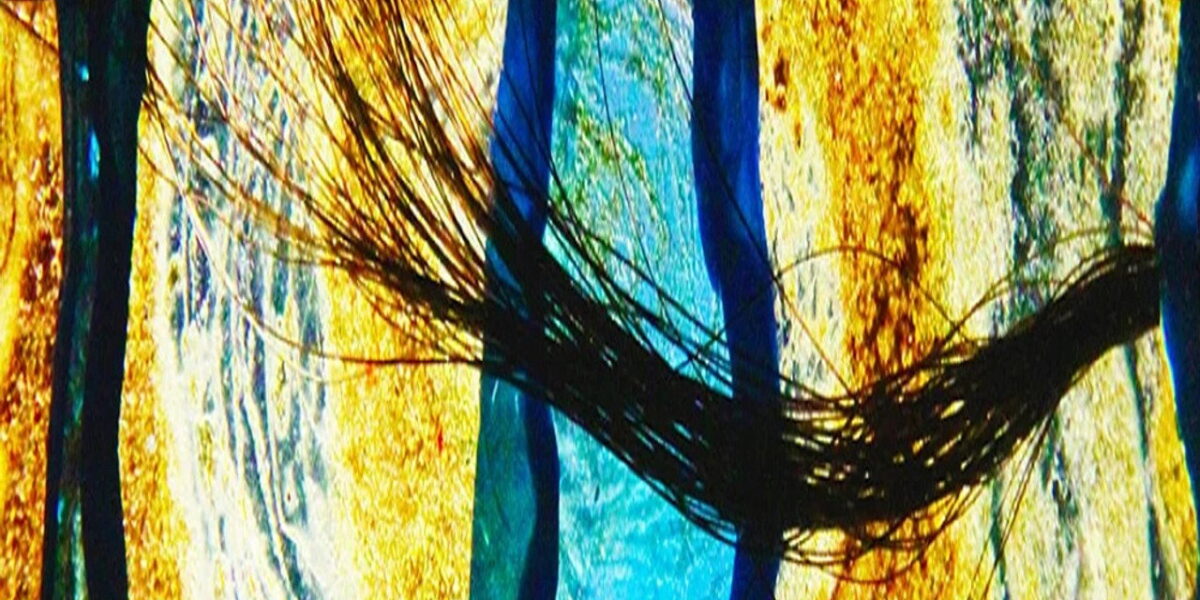
Atopia takes Plato’s *Symposium*—specifically Socrates’s description of that otherworldly state of being outside oneself—and turns it into pure sensory assault. Rather than narrate or illustrate this philosophical concept, Carrano lets cellist Giovanni Sollima improvise while the film itself becomes the second instrument, warped and scarred by acid etching, color manipulation, and physical abuse to 35mm stock. The result feels less like watching a movie and more like eavesdropping on the secret conversation between musician and medium.
The movie resists conventional narrative entirely, which means if you’re coming in expecting plot beats or character arcs, you’ll walk out frustrated and confused. Instead, the film operates as pure synaesthetic experience—visual and auditory information collapsing into a single overwhelming sensation that bypasses your rational brain and goes straight to your nervous system. It’s disorienting by design, absolutely unforgiving, and utterly committed to its vision.
Acting & direction
Giovanni Sollima isn’t really “acting” here; he’s performing—and the distinction matters enormously. His cello work grounds the entire piece with real, tangible human emotion, even as everything around it dissolves into abstraction. The cellist’s body language and breath become visual metaphors without ever announcing themselves as such, creating an anchor point for viewers drowning in experimental aesthetics.
Carrano’s direction is essentially the destruction of direction as we know it. By physically manipulating the 35mm film—scratching, etching, color-treating it like raw material rather than a finished product—he removes the director’s traditional authority over the image. Instead, the film becomes collaborative, almost ritualistic; every chemical burn and acid mark is a decision that can never be perfectly replicated, giving the work an archaeological urgency that digital animation can never touch.
The strengths
- The synaesthetic experience is genuinely transportive—for five minutes you stop thinking like a film viewer and start experiencing like a raw nerve.
- Using hand-manipulated 35mm film as a creative tool rather than just a substrate elevates this from gimmick to genuine artistic necessity, with every scratch and discoloration carrying weight and intention.
- The refusal to explain, narrate, or soften the philosophical concept shows more respect for the audience’s intelligence than ninety percent of contemporary cinema manages in two hours.
The weaknesses
- Five minutes feels simultaneously too long and too short—the piece’s elliptical structure means some viewers will experience transcendence while others experience pure confusion, with little middle ground.
- The marriage of Plato’s *Symposium* and contemporary avant-garde technique, while conceptually elegant, may feel precious or overly intellectual to anyone not versed in classical philosophy or experimental cinema history.
Who should watch it
This is strictly for the experimental cinema devotee, the philosophy student, the person who’s watched Tarkovsky three times and considers it relaxing. If you love avant-garde animation, hand-crafted film techniques, and artists like Norman McLaren, Stan Brakhage, or contemporary composers like Laurie Anderson, then Atopia speaks your language. Everyone else should probably give this a hard pass unless you’re feeling unusually adventurous.
Final verdict
Atopia is a work of genuine artistic ambition that actually delivers on its promises—rare enough in any era, stunning in 2026 when most cinema has surrendered to algorithmic mediocrity. Carrano has created something that doesn’t ask to be loved so much as experienced, endured, and then sat with quietly afterward. It’s not a crowd-pleaser and it shouldn’t be; it’s a pure distillation of what happens when philosophy, music, and filmmaking collapse into a single, unbearable moment of clarity. My rating of 8/10 reflects both its genuine achievement and its absolute unsuitability for general audiences.
Scopri di più su IMDB.
FAQ
Is Atopia based on a book or philosophical text?
Yes, it’s directly inspired by Plato’s *Symposium*, specifically Socrates’s description of “atopia”—the state of being outside oneself. However, the film is not an adaptation; it’s an artistic response to the concept.
Who is Giovanni Sollima and does he compose the music?
Giovanni Sollima is an acclaimed cellist known for both classical and contemporary work. In this film, he improvises rather than plays composed pieces, making his performance the primary musical text.
What does “hand-manipulated 35mm film” mean?
Carrano physically alters the film stock using acid etching, scratches, and color treatments—destroying and transforming the celluloid itself as a creative act, rather than only shooting with a camera.
Is this a music video or a standalone artwork?
It’s neither and both—a hybrid form that treats Sollima’s cello improvisation and the visual manipulation as equal partners in creating one synaesthetic experience rather than hierarchical components.
Will I understand this film?
Understanding is the wrong metric here; *feeling* is what matters. If you approach it intellectually, you’ll fight it; if you surrender to sensation, it works.