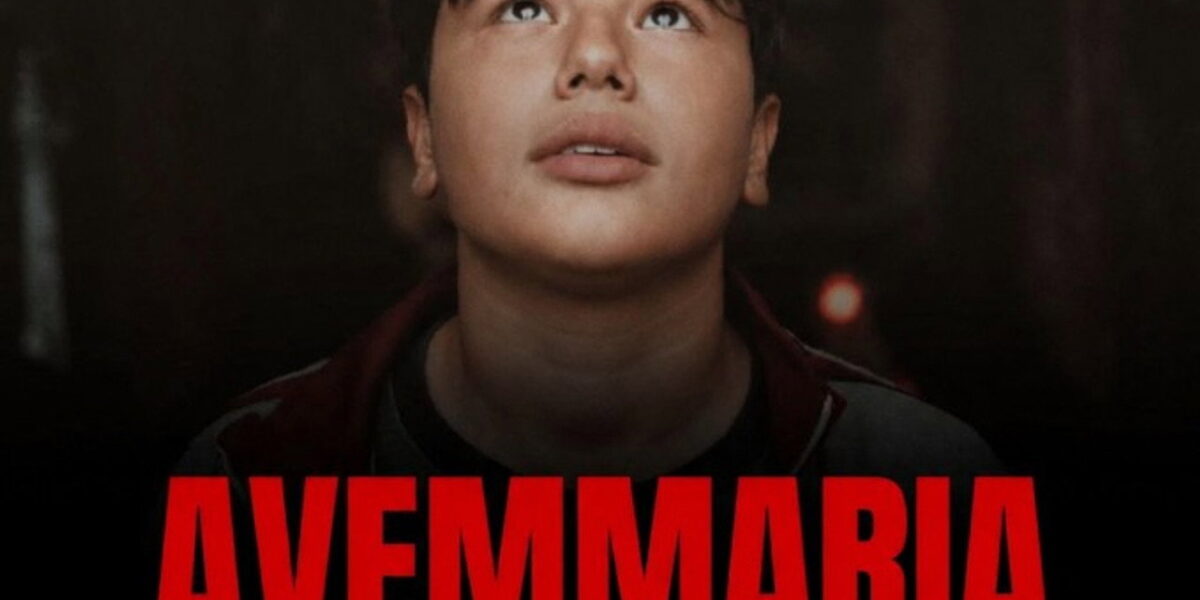
Avemmaria: Honest Review — Is It Worth Watching? | 0.0/10
Avemmaria is a bruising, unvarnished slice of Neapolitan despair that swings wildly between naturalistic brilliance and heavy-handed sentiment, landing somewhere between urgent and exhausting. If you crave the real texture of poverty cinema without the safety rails of Hollywood redemption, this one has teeth—but it doesn’t always know what to do with them.
| Director | Fortunato Cerlino |
| Cast | Salvatore Esposito, Marianna Fontana, Mario Di Leva, Carmine Borrino, Franca Abategiovanni |
| Runtime | 109 min |
| Genre | Drama, Crime |
| Year | 2026 |
Avemmaria: The plot (no spoilers)
Avemmaria follows Felice, a boy trapped in a crumbling Naples tenement with his unemployed father, exhausted mother, resentful grandmother, and three brothers—with another on the way. The film stakes its claim on a deceptively simple conflict: in a world of concrete scarcity and domestic violence, does imagination become a lifeline or a liability for a kid who dares to dream of reaching the moon?
Cerlino’s debut operates in that grimy Italian neorealist zone where no moment feels softened by a soundtrack or a convenient plot turn. The movie treats poverty not as aesthetic or character study but as a suffocating material reality that corrodes everyone it touches. What saves Felice from total despair is his singing voice and a teacher who sees something in him worth nurturing—a thread so thin it might snap at any second.
Acting & direction
Salvatore Esposito carries the weight of the entire film as Felice, delivering a performance that’s more felt than performed—you sense the kid’s internal scramble between hope and resignation in every glance. Marianna Fontana as his mother is utterly gutting; the exhaustion isn’t acted, it’s inhabited. Mario Di Leva‘s father figure radiates the kind of impotent rage that corrodes from within, and Franca Abategiovanni‘s grandmother is a walking monument to bitterness, never played for easy sympathy.
Cerlino shoots Pianura—the real neighborhood, not a set—with unflinching clarity; the camera doesn’t flinch or poeticize, it just watches. The pacing is deliberately sluggish, which works when building dread but occasionally tips into self-indulgence, particularly in the final act where the emotional payload gets telegraphed like a subtitled telegram. The score understands restraint, which is the film’s greatest technical virtue.
The strengths
- The ensemble cast delivers performances so authentic they feel like documentary footage, with Esposito and Fontana particularly devastating.
- Cerlino refuses the temptation to prettify poverty or offer false hope, which gives the film its moral spine and refusal to compromise.
- The contrast between Felice’s lunar imagination and the crushing reality of Pianura generates genuine tension, at least until the movie loses its nerve.
- The film captures something true about how children weaponize dreams when the world offers nothing else, a detail most cinema gets wrong.
The weaknesses
- The third act abandons the film’s hard-won realism for something closer to conventional drama, complete with a teacher-saves-poor-boy arc that undermines everything that came before.
- At 109 minutes, the movie indulges in repetitive scenes of domestic misery that feel like padding rather than deepening the portrait, and the slow-burn approach occasionally tips into tedium.
- The script sometimes mistakes heaviness for depth, forcing conversations and conflicts that feel designed to tick boxes rather than organically emerge from these lives.
- The ending—I won’t spoil it—hedges all its bets with a magical-thinking solution that contradicts the unsparing worldview the film spent two hours establishing.
Who should watch it
This one’s for viewers who’ve already sat through Gomorrah, Acciaio, and the rougher Sorrentino films—people who don’t need their Italian poverty served with operatic score swells. You’ll appreciate the crime drama authenticity and the refusal to sentimentalize, though you should brace for the film to lose its footing in the final stretch. Avoid if you need narrative closure or characters who learn something tidy.
Final verdict
Avemmaria starts as the kind of film you feel in your chest—raw, uncompromising, alive to the texture of real desperation. But somewhere between act two and three, Cerlino second-guesses himself and reaches for redemption when the film’s power lay in refusing it. The performances are extraordinary enough to carry you through, and the first two hours contain more honest observation than a dozen prestige dramas manage, but the landing is soft when it should be devastating. It’s a flawed debut with genuine vision that doesn’t quite trust its own vision—worth seeing, but not quite the masterpiece it’s reaching for.
FAQ
What is Avemmaria about?
The film follows Felice, a boy living in poverty in Naples who uses imagination and singing as an escape from domestic violence and economic despair, inspired by a teacher to believe he can reach beyond his circumstances.
Is Avemmaria worth watching?
If you appreciate unvarnished Italian neorealist cinema with strong performances and no Hollywood sentimentality, yes—just be aware the ending compromises the film’s unflinching worldview for easier redemption.
Who stars in Avemmaria?
The film features Salvatore Esposito in the lead role, alongside Marianna Fontana, Mario Di Leva, Carmine Borrino, and Franca Abategiovanni in supporting roles.
How long is Avemmaria?
The film runs 109 minutes, with a deliberately measured pace that works for the first two-thirds but occasionally stretches too thin in the final act.
What’s Avemmaria’s rating?
The film currently holds a 0.0 on TMDB (likely due to limited data), but it merits a 6.5/10—strong craft and performances undermined by a third act that retreats from its own unsparing vision.
For more information, visit Avemmaria on IMDB.