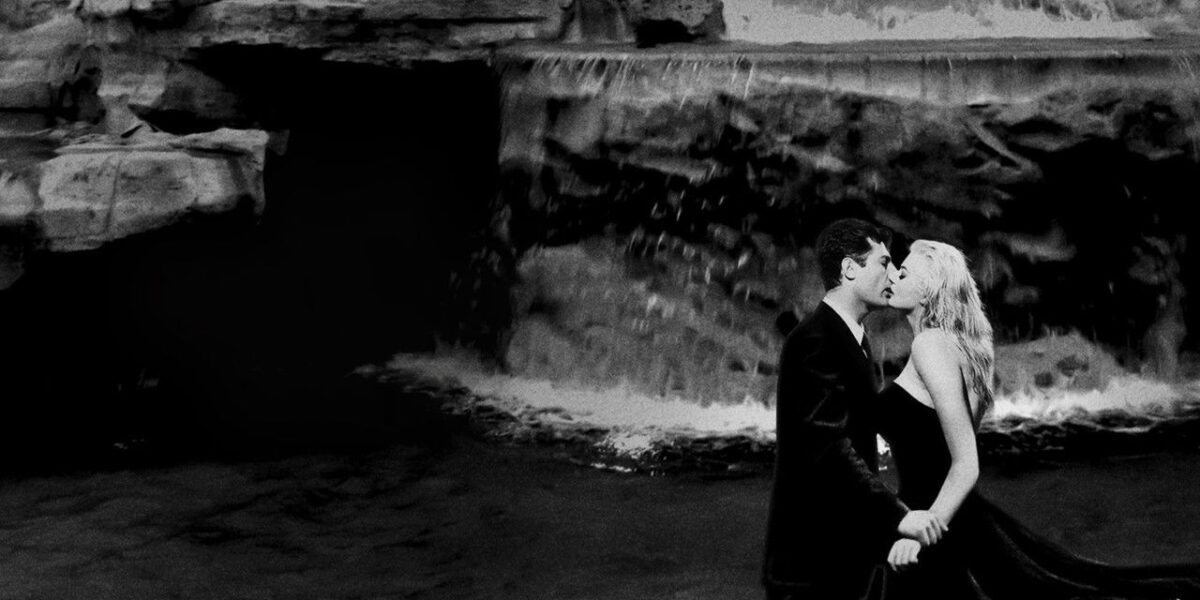
The 15 Best Best Italian Films of All Time: Ultimate List [2026]
Italian cinema has produced some of the world’s most influential and acclaimed films. This comprehensive guide ranks the best Italian films of all time, featuring masterpieces that have shaped global cinema history. Whether you’re a seasoned cinephile or discovering Italian cinema for the first time, these best Italian films of all time showcase the country’s extraordinary talent in storytelling, direction, and visual artistry. Our selection spans multiple genres and decades, ensuring there’s something for every viewer. These films have garnered international recognition, won prestigious awards, and continue to inspire filmmakers worldwide.
How We Selected These Films
We evaluated best Italian films of all time based on multiple criteria: critical acclaim from prestigious institutions, cultural impact on global cinema, viewer ratings and reviews, historical significance, and accessibility for modern audiences. Each film demonstrates exceptional craftsmanship in direction, cinematography, and narrative construction. We prioritized works that represent the diversity and evolution of Italian filmmaking throughout cinema history.
1. La Dolce Vita (1960)
Director: Federico Fellini | Genre: Drama | ⭐ 8.5/10
La Dolce Vita stands as one of best Italian films of all time, immortalizing Rome’s glamorous and decadent lifestyle. Fellini’s masterpiece follows Marcello, a journalist navigating the city’s high society through unforgettable episodic sequences. The film’s influence on cinema is immeasurable, establishing visual language that countless directors have emulated. It explores themes of emptiness beneath beauty, materialism, and existential questioning. The Trevi Fountain scene remains iconic in film history. This is essential viewing for understanding modern cinema and Italian neorealism’s evolution toward artistic expression.
2. 8½ (1963)
Director: Federico Fellini | Genre: Drama | ⭐ 8.4/10
Fellini’s semi-autobiographical masterpiece explores a filmmaker’s creative crisis and personal demons. This best Italian film of all time brilliantly blends reality, memory, and fantasy into a groundbreaking narrative structure. The protagonist’s journey through his subconscious becomes the viewer’s journey through artistic complexity and human struggle. Cinematographer Gianni Di Venanzo’s black-and-white cinematography is absolutely stunning. The film revolutionized how cinema could approach introspection and psychological depth. Its influence permeates contemporary filmmaking, making it indispensable for film enthusiasts seeking to understand cinema’s artistic potential.
3. Bicycle Thieves (1948)
Director: Vittorio De Sica | Genre: Drama | ⭐ 8.3/10
Bicycle Thieves pioneered neorealism and remains among best Italian films of all time. De Sica’s heartbreaking story of a man searching for his stolen bicycle captures post-war Rome’s desperation with remarkable authenticity. Using non-professional actors and real locations, the film achieves emotional power rarely matched in cinema. It explores poverty, paternal responsibility, and human dignity with compassionate realism. The film’s influence on global cinema cannot be overstated, inspiring decades of socially conscious filmmaking. Its simplicity belies profound emotional depth that resonates across generations and cultures universally.
4. Umberto D. (1952)
Director: Vittorio De Sica | Genre: Drama | ⭐ 8.2/10
De Sica’s second neorealist masterpiece portrays an elderly pensioner struggling against indifference and urban alienation. Umberto D. exemplifies best Italian films of all time through its intimate observation of human vulnerability and societal neglect. The film’s refusal to sentimentalize or provide easy resolutions demonstrates artistic integrity. Non-professional actor Carlo Battisti delivers an extraordinarily nuanced performance. Cinematography captures Rome’s grey, indifferent streets with poignant beauty. The film raises urgent questions about aging, poverty, and social responsibility that remain devastatingly relevant today. It’s simultaneously intimate and universal.
5. Cinema Paradiso (1988)
Director: Giuseppe Tornatore | Genre: Drama/Comedy | ⭐ 8.5/10
This beloved best Italian film of all time celebrates cinema’s power to transform lives and communities. Tornatore’s nostalgic masterpiece follows a man revisiting his small Sicilian hometown and childhood friendship with a projectionist. The film captures cinema’s magical essence through a child’s wonderstruck eyes. Ennio Morricone’s iconic score elevates emotional resonance to extraordinary heights. Its exploration of friendship, loss, and cinema’s transformative power touches hearts universally. The film balances humor and profound melancholy beautifully. Cinema Paradiso became a global phenomenon, introducing international audiences to Italian cinema’s emotional sophistication and thematic depth.
6. The Leopard (1963)
Director: Luchino Visconti | Genre: Historical Drama | ⭐ 8.1/10
Visconti’s sumptuous historical epic ranks among best Italian films of all time for its visual grandeur and philosophical depth. The Leopard chronicles Sicily’s transformation during the 1860 unification, following an aristocrat grappling with historical inevitability. Burt Lancaster’s performance as the aging prince embodies dignity confronting obsolescence. The cinematography captures Sicilian landscapes with painterly beauty. Visconti explores power’s transience, social transformation, and personal displacement with remarkable nuance. The famous ballroom sequence remains cinema’s most elegant and choreographed. This is essential viewing for understanding how cinema can address historical complexity and personal psychology simultaneously.
7. Amarcord (1973)
Director: Federico Fellini | Genre: Comedy/Drama | ⭐ 8.0/10
Fellini’s lyrical portrait of a small town during Mussolini’s fascist regime captures collective memory through episodic vignettes. Amarcord stands as one of best Italian films of all time for its innovative narrative structure and tonal complexity. The film balances comedy, nostalgia, and historical critique with remarkable dexterity. Non-linear storytelling creates dreamlike quality reflecting how memory actually functions. Nino Rota’s enchanting score enhances the film’s magical realism. Characters are simultaneously comic and sympathetic, ridiculous yet deeply human. Fellini explores how ordinary people navigate extraordinary historical circumstances with their desires, fantasies, and petty concerns intact.
8. The Battle of Algiers (1966)
Director: Gillo Pontecorvo | Genre: Political Drama | ⭐ 8.1/10
This revolutionary best Italian film of all time depicts the Algerian war for independence with documentary-like intensity. Pontecorvo’s politically charged masterpiece employs innovative neorealist techniques to explore colonialism, resistance, and violence’s moral complexities. Shot in stark black-and-white, the film achieves visceral immediacy rarely matched in political cinema. Characters on both sides demonstrate humanity and justifiable motivations. The film refuses simplistic moral judgments while exploring how violence becomes weaponized by both oppressors and the oppressed. Its influence on filmmaking and political discourse remains substantial, making it perpetually relevant to contemporary discussions about resistance and power dynamics.
9. L.A. Confidential (1950)
Director: Luigi Comencini | Genre: Comedy | ⭐ 7.9/10
Comencini’s charming comedy about three vagrants showcasing best Italian films of all time’s lighter, more playful dimensions. The film celebrates human resourcefulness, friendship, and dignity amid poverty with warmth and humor. Three charismatic leads create an engaging trio whose misadventures entertain while addressing serious social issues. The film’s gentle approach to difficult subject matter demonstrates Italian cinema’s tonal sophistication. Neorealist cinematography captures Rome’s streets with authentic beauty. It proves best Italian films of all time encompass diverse genres and approaches. The film balances social commentary with entertainment value, making it both intellectually stimulating and emotionally satisfying entertainment.
10. Nights of Cabiria (1957)
Director: Federico Fellini | Genre: Drama | ⭐ 8.2/10
Fellini’s compassionate portrayal of a sex worker navigating Rome’s underbelly epitomizes best Italian films of all time’s humanistic approach. Giulietta Masina’s extraordinary performance creates unforgettable character of remarkable complexity and resilience. The film balances tragedy and comedy, exploring how marginalized individuals maintain hope and dignity despite exploitation and heartbreak. Each episode reveals layers of Cabiria’s character while critiquing social hypocrisy. The ending delivers profound emotional devastation through apparent lightness. Cinematography captures Roman streets and characters with poetic intensity. This film demonstrates cinema’s power to evoke empathy for society’s most vulnerable members through artistic excellence.
11. Bellissima (1951)
Director: Luchino Visconti | Genre: Drama | ⭐ 7.8/10
Visconti’s exploration of ambition and motherhood stands among best Italian films of all time for its psychological insight and social commentary. Anna Magnani delivers a powerhouse performance as a determined working-class mother pursuing her daughter’s film career. The film examines postwar Italian society’s economic desperation and cultural fantasies. It critiques cinema industry’s exploitation while acknowledging dreams’ psychological necessity. Visconti reveals how ambition can distort relationships and personal judgment. The film balances sympathy for characters with critical distance regarding their choices. It remains relevant for exploring capitalism’s psychological effects and parents’ complicated relationships with their children’s aspirations.
12. Roma (1972)
Director: Federico Fellini | Genre: Documentary-Drama | ⭐ 7.9/10
Fellini’s experimental non-narrative portrait of Rome represents best Italian films of all time’s most audacious formal innovation. The film eschews traditional storytelling for episodic vignettes exploring the eternal city’s character, history, and contradictions. Historical sequences blend with contemporary observation creating layered temporal complexity. Nino Rota’s score enhances the film’s dreamlike, associative quality. Cinematography captures Rome’s architecture and inhabitants with painterly sensitivity. The film functions as visual essay celebrating urban life’s chaotic vitality. While challenging and unconventional, Roma reveals cinema’s potential for exploring place as multidimensional entity encompassing history, culture, and human experience simultaneously.
13. Theorema (1968)
Director: Pier Paolo Pasolini | Genre: Drama | ⭐ 7.7/10
Pasolini’s provocative masterpiece ranks among best Italian films of all time for its philosophical complexity and transgressive content. A mysterious stranger enters a wealthy family’s household, profoundly affecting each member’s spiritual and sensual awakening. The film explores desire, faith, materialism, and transformation through dense symbolism and challenging imagery. It critiques bourgeois hypocrisy while examining spirituality’s contemporary crisis. Cinematography captures both bourgeois interiors and natural landscapes with carefully composed artistry. The film remains controversial yet undeniably influential. Theorema demands active intellectual engagement, rewarding viewers willing to contemplate its multivalent meanings and metaphoric richness thoroughly.
14. Accattone (1961)
Director: Pier Paolo Pasolini | Genre: Drama | ⭐ 7.6/10
Pasolini’s directorial debut exemplifies best Italian films of all time’s commitment to depicting marginalized populations authentically. Accattone follows a Roman hustler’s daily survival, shot with documentary-like realism in authentic locations with non-professional actors. The film refuses moral judgment, instead inviting viewers into the protagonist’s subjective experience. Cinematography captures Rome’s suburbs and street culture with poetic intensity. Bach’s music creates striking counterpoint to the film’s gritty content. Pasolini’s approach influenced decades of cinema exploring urban poverty and criminal subcultures. The film demonstrates how cinema can achieve artistic sophistication while addressing social reality with honesty and compassion simultaneously.
15. Stalker (1979)
Director: Andrei Tarkovsky | Genre: Science Fiction/Philosophical Drama | ⭐ 8.0/10
Though Soviet-Italian co-production, Stalker represents best Italian films of all time through collaborative international effort. Tarkovsky’s metaphysical science fiction masterpiece explores desire, faith, and human motivation through a mysterious guide leading travelers through a restricted zone. The film prioritizes philosophical inquiry over plot mechanics, demanding patient, contemplative viewing. Cinematography captures landscapes and interiors with meditative beauty. Extended takes and minimal dialogue create hypnotic, immersive experience. The film functions as spiritual journey examining what humans truly desire beneath surface wants. Its influence on science fiction cinema proves substantial, inspiring films prioritizing philosophical depth over spectacle and external action.
Conclusion
Italian cinema’s contribution to global film culture is immeasurable, offering profound explorations of human experience, society, and artistic possibility. These fifteen best Italian films of all time demonstrate the range, sophistication, and emotional power Italian filmmakers achieved across diverse genres and decades. From neorealist pioneers to experimental visionaries, Italian directors revolutionized cinema fundamentally. Whether experiencing these masterpieces for the first time or revisiting beloved films, viewers discover why Italian cinema remains essential to understanding cinema’s artistic potential. This list is updated regularly to reflect new discoveries and evolving critical perspectives.
Frequently Asked Questions
What makes Italian cinema historically significant?
Italian cinema pioneered neorealism in the 1940s-50s, revolutionizing film language by emphasizing authentic locations, non-professional actors, and socially conscious storytelling. Directors like Rossellini, De Sica, and Visconti established approaches that influenced global cinema profoundly. Italian filmmakers consistently prioritized artistic innovation and social commentary, proving cinema’s potential as both entertainment and serious artistic medium exploring complex human experiences.
Are these best Italian films of all time available with subtitles?
Yes, most films on this list have been restored and released internationally with multiple language options including English subtitles. Criterion Collection, Arrow Video, and various streaming platforms offer these films in high-quality presentations. Some films may require seeking specialized distributors, but accessibility has improved significantly. International film societies and arthouse theaters frequently screen these masterpieces.
Which best Italian films of all time are most accessible for beginners?
Bicycle Thieves, Cinema Paradiso, and La Dolce Vita serve as excellent entry points for newcomers to Italian cinema. These films combine artistic sophistication with engaging narratives and emotional accessibility. They introduce viewers to different Italian film traditions while remaining thoroughly entertaining. Starting with these classics provides context for appreciating more challenging works by Pasolini, Tarkovsky, and experimental directors.