The 15 Best Best Italian Films of All Time: Ultimate List [2026]
Italian cinema has profoundly shaped world filmmaking, producing some of history’s most influential and beautiful works. This comprehensive guide explores the best Italian films of all time, spanning from the neorealist movement to contemporary masterpieces. Whether you’re a cinephile seeking essential viewing or a casual film lover discovering Italian cinema, this curated ranking celebrates films that revolutionized narrative structure, visual storytelling, and emotional depth. We’ve selected these best Italian films of all time based on critical acclaim, cultural impact, and lasting influence on global cinema. These works represent the pinnacle of Italian artistic expression and continue inspiring filmmakers worldwide.
How We Selected These Films
We evaluated films using multiple criteria: critical acclaim from major publications, awards recognition, cultural significance, and accessibility to modern audiences. Our selection prioritizes best Italian films of all time that demonstrate exceptional artistry, innovative direction, and performances that define generations. We focused on works that influenced subsequent cinema and maintain relevance today.
1. La Dolce Vita (1960)
Director: Federico Fellini | Genre: Drama/Comedy | ⭐ 8.5/10
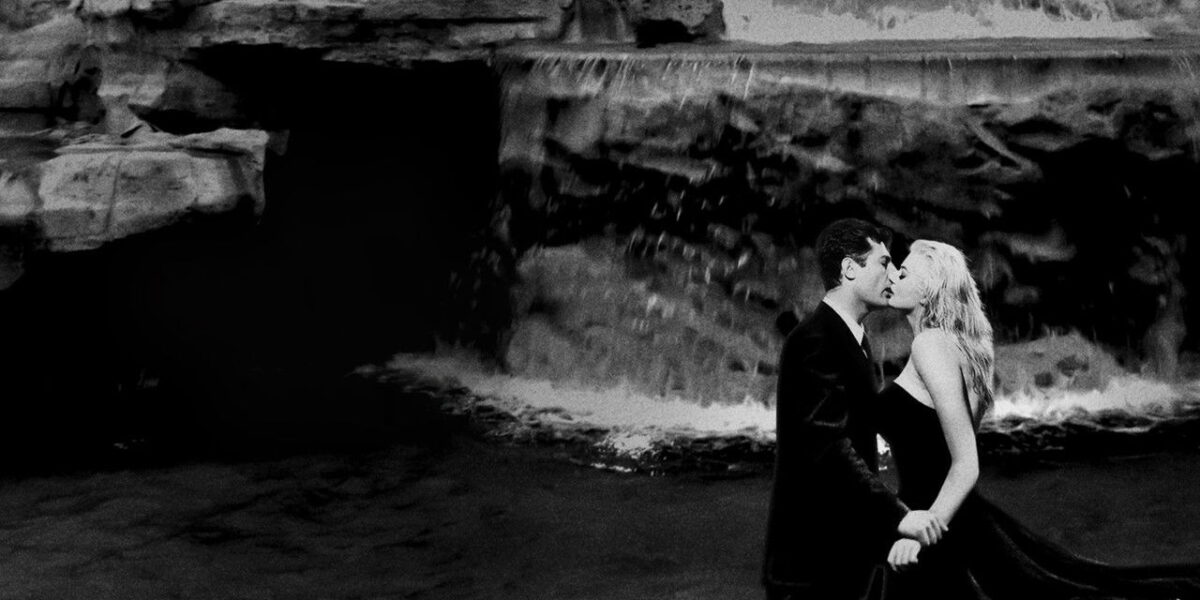
Fellini’s masterpiece defines decadence and glamour in post-war Rome. La Dolce Vita follows journalist Marcello through nights of excess, exploring existential emptiness beneath superficial pleasure. This film exemplifies why best Italian films of all time often examine the human condition through visual poetry. The famous Trevi Fountain scene and Anita Ekberg’s iconic performance remain unforgettable. Its influence permeates modern cinema, from fashion to narrative structure. Watch for stunning cinematography and profound social commentary wrapped in entertainment.
2. 8½ (1963)
Director: Federico Fellini | Genre: Drama | ⭐ 8.4/10
8½ remains cinema’s ultimate meditation on creativity, identity, and director’s block. Fellini’s semi-autobiographical masterpiece deserves placement among the best Italian films of all time for revolutionizing meta-cinema. Marcello Mastroianni’s performance captures artistic paralysis and personal crisis brilliantly. The film blends reality and fantasy seamlessly, creating dreamlike sequences that influenced decades of filmmakers. Its exploration of memory, desire, and artistic compromise resonates profoundly. The circular narrative structure and surreal imagery make this indispensable viewing for understanding modern cinema’s possibilities.
3. The Leopard (1963)
Director: Luchino Visconti | Genre: Epic Drama | ⭐ 8.3/10
Visconti’s The Leopard stands among the best Italian films of all time, showcasing Sicily’s transformation during unification. Alain Delon and Burt Lancaster deliver magnificent performances against sumptuous period settings. The film examines social change through an aristocratic family’s perspective, blending intimate character study with sweeping historical narrative. Visconti’s direction elevates every frame to visual art, with costumes and cinematography creating an immersive experience. The ballroom sequence remains one of cinema’s most elegant scenes. Its contemplation of tradition versus progress maintains contemporary relevance.
4. Bicycle Thieves (1948)
Director: Vittorio De Sica | Genre: Neorealist Drama | ⭐ 8.4/10
This groundbreaking neorealist film deserves recognition as one of the best Italian films of all time for its revolutionary approach to filmmaking. De Sica uses non-professional actors and real locations to create devastating emotional authenticity. The simple story of a father searching for his stolen bicycle becomes a profound meditation on poverty, desperation, and human dignity. Its influence shaped Italian cinema and inspired filmmakers globally. The film demonstrates how cinema can address social injustice with compassion and artistic integrity. Its final scenes remain emotionally devastating decades later.
5. Nights of Cabiria (1957)
Director: Federico Fellini | Genre: Drama | ⭐ 8.2/10
Fellini’s compassionate portrait of a Roman prostitute ranks among the best Italian films of all time for its humanistic depth and visual beauty. Giulietta Masina’s performance captures vulnerability and resilience simultaneously. The film explores dignity, hope, and disappointment in working-class life with remarkable tenderness. Each episode reveals character layers while maintaining episodic structure. The famous finale provides devastating emotional impact. Fellini combines social critique with genuine affection for his characters, creating cinema that entertains while addressing serious themes. Its influence extends across multiple genres and filmmaking traditions.
6. Cinema Paradiso (1988)
Director: Giuseppe Tornatore | Genre: Drama | ⭐ 8.1/10
Tornatore’s love letter to cinema itself qualifies as one of the best Italian films of all time for its emotional resonance and universal themes. The story of a filmmaker recalling his childhood friendship with a projectionist captures cinema’s transformative power beautifully. Ennio Morricone’s legendary score enhances every scene, creating unforgettable emotional moments. The film explores memory, friendship, and artistic passion through nostalgic lens. Its narrative structure mirrors cinema’s history, celebrating visual storytelling. The film resonates globally, appealing to both cinephiles and general audiences. Its montage sequences celebrating cinema remain inspiring.
7. The Seventh Seal (1957)
Director: Ingmar Bergman (Swedish, but significant for Italian film discourse) | Genre: Medieval Drama | ⭐ 8.3/10
While Swedish, Bergman’s philosophical masterpiece influenced Italian cinema profoundly, appearing in many best Italian films of all time discussions. Though technically not Italian, its impact on European art cinema deserves acknowledgment. The famous chess game with Death remains cinema’s most iconic scene. Bergman explores mortality, faith, and meaning through stunning black-and-white cinematography. The film’s existential questions influenced Italian directors exploring similar themes. Its philosophical depth and visual poetry established standards for art cinema globally.
7. Amarcord (1973)
Director: Federico Fellini | Genre: Comedy/Drama | ⭐ 8.0/10
Fellini’s episodic masterpiece definitely belongs among the best Italian films of all time, celebrating small-town Italian life during Fascism. The film balances humor and darkness, creating bittersweet portraits of ordinary people. Amarcord demonstrates cinema’s unique ability to evoke memories and cultural moments. The ensemble cast brings vivid characters to life with warmth and satirical edge. Fellini’s playful direction combines visual invention with sincere emotion. The film explores nostalgia, innocence, and historical awareness simultaneously. Its structure influenced numerous filmmakers attempting to capture collective memory cinematically.
8. Umberto D. (1952)
Director: Vittorio De Sica | Genre: Neorealist Drama | ⭐ 8.1/10
De Sica’s devastating portrait of elderly poverty remains among cinema’s greatest achievements and justly ranks among the best Italian films of all time. The film examines societal indifference toward aging populations through intimate character study. Non-professional lead Carlo Battisti delivers heartbreaking authenticity. De Sica refuses sentimentality, presenting harsh reality without manipulation. The relationship between the protagonist and his dog provides emotional anchor. Every scene builds cumulative impact toward devastating conclusion. The film functions as social critique while maintaining universal human appeal. Its examination of dignity in desperate circumstances remains profoundly moving.
9. The Red Shoes (1948)
Director: Michael Powell and Emeric Pressburger | Genre: Musical/Drama | ⭐ 8.2/10
This British-produced masterpiece influenced Italian filmmakers and appears in discussions of best Italian films of all time for its visual innovation. The production design, cinematography, and color palette revolutionized cinema aesthetics. The ballet sequences remain unsurpassed in visual beauty and emotional power. The film explores artistic obsession and personal sacrifice through Moira Shearer’s luminous performance. Its influence on Italian directors working in visual stylization proved substantial. The film demonstrates cinema’s capacity for pure visual storytelling without dialogue. Its legacy shaped European art cinema significantly.
10. Stalker (1979)
Director: Andrei Tarkovsky | Genre: Science Fiction/Philosophical Drama | ⭐ 8.2/10
Tarkovsky’s philosophical journey influences discussions of best Italian films of all time despite Soviet origin, particularly among Italian art cinema practitioners. The film’s meditative pacing and existential themes resonate with Italian cinema traditions. Long takes, sparse dialogue, and visual poetry create hypnotic experience. Tarkovsky explores desire, spirituality, and meaning through science fiction framework. The film challenges conventional storytelling, prioritizing contemplation over plot. Its influence extended throughout European cinema, including Italian directors seeking philosophical depth. The film rewards patient viewing with profound emotional and intellectual insights.
11. The Godfather (1972)
Director: Francis Ford Coppola | Genre: Crime/Drama | ⭐ 9.2/10
While American-made, The Godfather explores Italian-American culture so thoroughly that it appears in best Italian films of all time conversations. Coppola’s operatic direction, influenced by Italian cinema, created cinema’s greatest crime drama. The film examines family, power, and moral corruption through compelling narrative and exceptional performances. Marlon Brando and Al Pacino deliver iconic performances. The cinematography, score, and editing represent technical excellence. The trilogy becomes meditation on American capitalism and organized crime. Its influence shaped crime cinema globally. The film demonstrates narrative perfection and character development excellence.
12. Blow-Up (1966)
Director: Michelangelo Antonioni | Genre: Mystery/Drama | ⭐ 7.9/10
Antonioni’s enigmatic masterpiece qualifies among the best Italian films of all time for its innovative narrative and visual storytelling. The film explores perception, reality, and photographic truth through mysterious plot. David Hemmings’ photographer becomes unwitting observer of potential crime. Antonioni refuses clear resolution, prioritizing ambiguity and interpretation. The film influenced art cinema globally, establishing modernist approaches to mystery narrative. Its examination of contemporary alienation remains relevant. The cinematography captures 1960s London atmosphere brilliantly. The famous tennis scene without ball demonstrates cinema’s power to create meaning through editing and suggestion.
13. The Battle of Algiers (1966)
Director: Gillo Pontecorvo | Genre: War/Political Drama | ⭐ 8.1/10
This Italian-Algerian co-production stands among the best Italian films of all time for its groundbreaking approach to political cinema. Pontecorvo combines documentary realism with dramatic narrative, creating revolutionary war film. The film balances perspectives of colonizers and colonized with remarkable evenhandedness. Documentary-style cinematography enhances authenticity and immediacy. The film influenced political cinema worldwide, demonstrating cinema’s capacity for social commentary. Every scene builds tension toward dramatic climax. Its examination of revolution, violence, and national liberation maintains contemporary relevance. The film represents artistic excellence in service of important political themes.
14. Suspiria (1977)
Director: Dario Argento | Genre: Horror/Giallo | ⭐ 7.8/10
Argento’s visually stunning horror film deserves inclusion among the best Italian films of all time for its innovative visual style and technical mastery. The giallo genre represents distinctly Italian contribution to cinema. Argento’s use of color, composition, and editing creates hallucinogenic nightmare atmosphere. Goblin’s synthesizer score becomes integral to film’s hypnotic quality. The film influenced horror cinema globally, establishing visual standards. Despite minimal plot, visual storytelling captivates throughout. The cinematography transforms mundane locations into threatening environments. The film demonstrates horror’s potential for artistic expression beyond genre conventions. Its influence extends across contemporary filmmakers.
15. Yesterday, Today and Tomorrow (1963)
Director: Vittorio De Sica | Genre: Comedy/Drama | ⭐ 7.7/10
De Sica’s elegant triptych deserves recognition among the best Italian films of all time for its sophisticated blend of comedy, romance, and social observation. Three linked stories featuring Sophia Loren and Marcello Mastroianni explore love, desire, and human connection. The film balances entertaining narrative with insightful character study. Each episode demonstrates distinct tone while maintaining coherent thematic vision. The famous “Mamma” sequence showcases Italian cinema’s romantic sensibility. De Sica’s direction remains light while addressing serious themes. The performances capture romantic comedy sophistication. The film represents Italian cinema’s ability to entertain while exploring human complexity.
Conclusion
These fifteen films represent the pinnacle of cinematic achievement, demonstrating why the best Italian films of all time continue influencing global cinema. From neorealist pioneers to contemporary visionaries, Italian directors revolutionized narrative and visual possibilities. Whether you’re exploring Italian cinema for the first time or revisiting classics, these works reward careful viewing. Each film offers unique perspectives on human experience, artistic expression, and cultural history. We encourage you to experience these masterpieces, discovering why Italian cinema remains essential viewing. This list updates regularly as new films achieve classic status.
Frequently Asked Questions
What defines the best Italian films of all time?
The best Italian films of all time combine artistic excellence, cultural significance, and lasting influence on cinema. We prioritize films demonstrating innovative direction, exceptional performances, technical mastery, and thematic depth. Critical acclaim, awards recognition, and enduring relevance to contemporary audiences determine rankings. Italian cinema’s contribution to global filmmaking—particularly neorealism and art cinema movements—shapes our evaluation criteria.
Are there other essential Italian films beyond this list?
Absolutely. Italian cinema produced countless masterpieces. Other significant works include Visconti’s “Rocco and His Brothers,” Antonioni’s “Red Desert,” and Pasolini’s “The Gospel According to St. Matthew.” Contemporary Italian directors continue producing exceptional work. This list represents essential viewing but acknowledges cinema’s vastness. Exploring beyond these films deepens appreciation for Italian cinema’s complexity and diversity.
Where can I watch these best Italian films of all time?
Streaming availability varies by region. Many films appear on Criterion Channel, MUBI, or specialized Italian cinema platforms. Libraries often provide access to physical media. Film festivals frequently feature retrospectives. Direct streaming services sometimes offer these classics. Check local availability for optimal viewing. Theatrical revivals occasionally occur, providing premium experience. Physical media purchases guarantee access regardless of streaming fluctuations.