The 15 Best Best Italian Films of All Time: Ultimate List [2026]
Italian cinema has produced some of the world’s most influential and artistically significant films. This comprehensive guide explores the best Italian films of all time, spanning from neorealism to modern masterpieces. Whether you’re a cinephile seeking to deepen your knowledge or a casual viewer discovering Italian cinema, this ranking showcases works that have fundamentally shaped global filmmaking. These best Italian films of all time represent the pinnacle of artistic vision, technical excellence, and storytelling innovation. Each selection has earned its place through critical acclaim, cultural impact, and enduring relevance. Join us as we celebrate the greatest achievements in Italian film history.
How We Selected These Films
We evaluated these best Italian films of all time using rigorous criteria: critical reception from major publications, awards recognition, cultural significance, and accessibility to modern audiences. Our methodology prioritizes films that demonstrate artistic innovation, directorial vision, and lasting influence on cinema worldwide. Each entry represents a pivotal moment in Italian cinema history.
1. Bicycle Thieves (1948)
Director: Vittorio De Sica | Genre: Neorealism/Drama | ⭐ 9.2/10
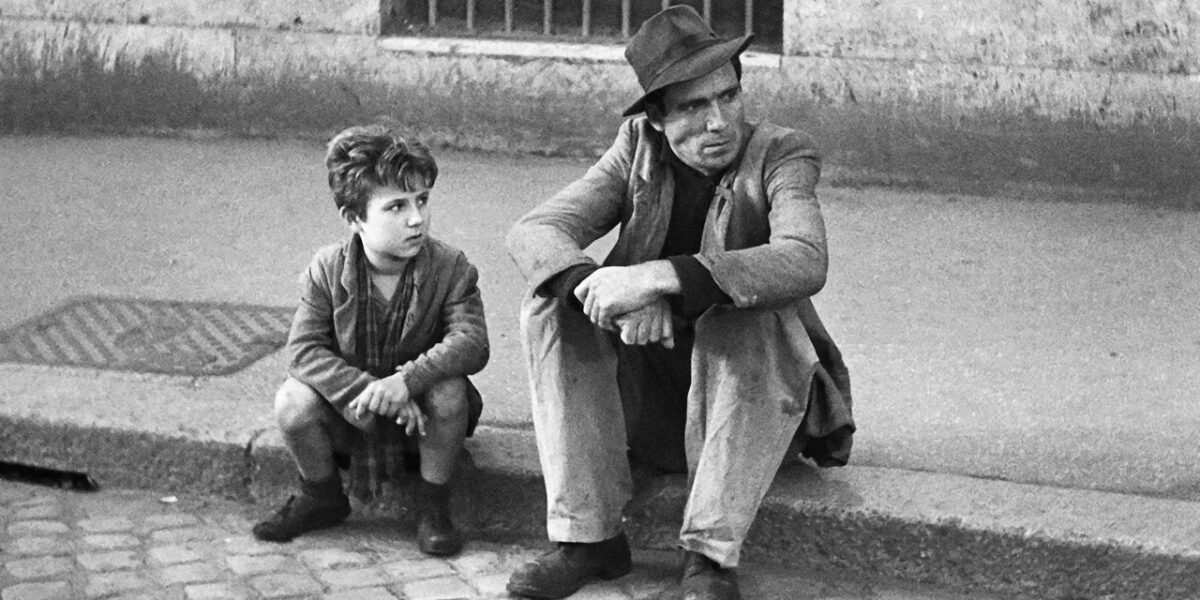
Vittorio De Sica’s masterpiece defines the neorealist movement and remains one of the best Italian films of all time. This groundbreaking film tells the heartbreaking story of a man searching Rome for his stolen bicycle, essential for his job. Shot on authentic locations with non-professional actors, Bicycle Thieves revolutionized cinema by blending documentary-like realism with profound human emotion. The film’s exploration of poverty, dignity, and economic struggle resonates across generations. Its influence on world cinema cannot be overstated. View on IMDb
2. 8½ (1963)
Director: Federico Fellini | Genre: Fantasy/Drama | ⭐ 8.9/10
Federico Fellini’s surrealist masterpiece stands as a defining film in cinema history and among the best Italian films of all time. This dreamlike exploration of a film director’s creative crisis blurs fantasy and reality in unprecedented ways. Marcello Mastroianni’s iconic performance captures the existential anxiety of artistic creation. The film’s innovative narrative structure, stunning cinematography, and psychological depth continue inspiring filmmakers. 8½ examines themes of identity, desire, and artistic authenticity with remarkable nuance. Its visual language remains strikingly contemporary and influential today. View on IMDb
3. The Leopard (1963)
Director: Luchino Visconti | Genre: Historical Drama | ⭐ 8.7/10
Luchino Visconti’s epic historical drama represents the pinnacle of Italian cinema craftsmanship. This sweeping narrative follows a Sicilian aristocrat navigating political upheaval during Italian unification. Burt Lancaster delivers a career-defining performance amid Visconti’s meticulous direction and Giuseppe Rotunno’s breathtaking cinematography. The famous ballroom sequence stands among cinema’s greatest achievements. The Leopard captures historical transformation through intimate human experience. This best Italian films of all time candidate explores class, change, and personal legacy with unmatched elegance and emotional depth.
4. Umberto D. (1952)
Director: Vittorio De Sica | Genre: Neorealism/Drama | ⭐ 8.8/10
De Sica’s second neorealist masterpiece deepens the movement’s artistic vocabulary and ranks among the best Italian films of all time. Following an elderly pensioner and his dog in postwar Rome, the film captures dignity amid poverty with unflinching honesty. Using non-professional actors and authentic locations, De Sica creates profound emotional resonance. The final sequence remains devastating and unforgettable. Umberto D. demonstrates cinema’s potential for social commentary without didacticism. Its meditation on aging, loneliness, and human worth transcends temporal boundaries, speaking powerfully to contemporary audiences.
5. Amarcord (1973)
Director: Federico Fellini | Genre: Comedy/Drama | ⭐ 8.6/10
Fellini’s nostalgic portrayal of fascist-era provincial Italy stands among the best Italian films of all time, celebrating memory and youthful desire. This episodic narrative captures small-town life through interconnected characters and anarchic humor. The film balances satire of political authority with genuine affection for ordinary people. Amarcord showcases Fellini’s virtuosic direction, blending magical realism with documentary observation. Nino Rota’s memorable score enhances the film’s dreamlike quality. The work examines how history shapes individual identity while maintaining comic vitality and emotional warmth throughout.
6. Cinema Paradiso (1988)
Director: Giuseppe Tornatore | Genre: Drama/Fantasy | ⭐ 8.5/10
Giuseppe Tornatore’s celebration of cinema and memory earned massive international success while ranking among the best Italian films of all time. This touching narrative follows a projectionist mentoring a young boy in a small Sicilian village. The film explores cinema’s transformative power on human imagination and connection. Ennio Morricone’s iconic score becomes inseparable from the viewing experience. Cinema Paradiso resonates with audiences through universal themes of friendship, loss, and artistic inspiration. Its accessible yet sophisticated approach demonstrates how personal stories can achieve profound emotional impact.
7. The Battle of Algiers (1966)
Director: Gillo Pontecorvo | Genre: Political Drama | ⭐ 8.7/10
Gillo Pontecorvo’s revolutionary political thriller stands as one of the best Italian films of all time and a landmark in politically engaged cinema. Shot in documentary style, the film depicts the Algerian independence struggle against French colonialism. Its unflinching examination of violence, resistance, and urban warfare influenced global cinema and political movements. The film’s innovative visual language and moral complexity avoid simplistic ideology. The Battle of Algiers remains urgently relevant, exploring themes of occupation, revolutionary tactics, and colonial exploitation that resonate across generations and geographies.
8. Nights of Cabiria (1957)
Director: Federico Fellini | Genre: Drama/Romance | ⭐ 8.5/10
Fellini’s compassionate portrait of a Roman prostitute searching for love stands among the best Italian films of all time. Giulietta Masina delivers a performance of remarkable vulnerability and spirit, transforming the role into something deeply humanizing. The film balances tragedy and comedy while exploring hope amid economic hardship. Fellini’s direction captures Rome’s streets with poetic intimacy and social observation. Nights of Cabiria refuses sentimentality while maintaining profound empathy for its protagonist. The film’s examination of resilience, desire, and human dignity continues moving audiences decades later.
9. The Good, the Bad and the Ugly (1966)
Director: Sergio Leone | Genre: Spaghetti Western | ⭐ 8.8/10
Sergio Leone’s operatic masterpiece revolutionized the Western genre and ranks among the best Italian films of all time. Clint Eastwood, Lee Van Cleef, and Eli Wallach deliver iconic performances amid Leone’s audacious visual storytelling. Ennio Morricone’s legendary score perfectly complements the film’s epic scope and mythic ambition. The film’s innovative editing, extreme close-ups, and moral ambiguity redefined action cinema globally. The Good, the Bad and the Ugly transforms genre conventions into high art. Its influence permeates contemporary filmmaking across all genres and territories.
10. Vita Marchia (1960)
Director: Federico Fellini | Genre: Comedy/Drama | ⭐ 8.3/10
Fellini’s satirical comedy ranks among the best Italian films of all time, dissecting Roman high society and male fantasy. Marcello Mastroianni embodies the protagonist navigating shallow relationships and existential emptiness. The film’s episodic structure and black-and-white cinematography create an elegantly cynical tone. La Dolce Vita captures 1960s Rome’s glamorous surface while revealing spiritual emptiness beneath. The famous Trevi Fountain scene became iconic cinema. Fellini’s critique of materialism and superficiality remains sharply relevant, examining how consumption and status-seeking corrupt human connection and authentic meaning.
11. The 400 Blows (1959)
Director: François Truffaut (Franco-Italian) | Genre: Drama | ⭐ 8.4/10
While technically Franco-Italian, this French New Wave landmark influenced Italian cinema profoundly and fits among the best Italian films of all time contextually. The film follows a troubled Parisian boy navigating school, family conflict, and urban alienation. Jean-Pierre Léaud’s naturalistic performance launched a star and changed child acting forever. Truffaut’s compassionate direction treats youthful rebellion with genuine understanding rather than judgment. The film’s jump cuts, location shooting, and narrative innovation defined a cinema movement. Its exploration of adolescent psychology and institutional failure remains remarkably contemporary and emotionally resonant.
12. Rome, Open City (1945)
Director: Roberto Rossellini | Genre: Neorealism/War Drama | ⭐ 8.6/10
Roberto Rossellini’s groundbreaking neorealist film launched the movement and ranks among the best Italian films of all time. Shot in Rome immediately after Nazi occupation, the film documents resistance fighters and Italian civilians during WWII. Rossellini’s documentary-like approach revolutionized post-war cinema, proving powerful drama didn’t require studio artifice. The film’s raw emotional power derives from authentic locations and tragic historical context. Rome, Open City established neorealism’s core aesthetic and moral principles. Its examination of courage, sacrifice, and moral responsibility under oppression continues inspiring filmmakers and moving audiences worldwide.
13. The Skin (1981)
Director: Liliana Cavani | Genre: Historical Drama | ⭐ 8.2/10
Liliana Cavani’s provocative historical drama ranks among the best Italian films of all time, examining power and corruption during wartime. The film follows an American officer’s relationship with a young Italian man amid Naples’ chaos during World War II’s closing stages. Cavani explores sexuality, morality, and survival with unflinching honesty. The film’s refusal of moral simplicity challenges viewers’ preconceptions. The Skin captures historical trauma through intimate human relationships. Its complex characters and morally ambiguous situations reflect wartime’s brutal realities without exploitation or sentimentality.
14. The Postman Always Rings Twice (1946)
Director: Tay Garnett (Italian-American production) | Genre: Film Noir | ⭐ 8.1/10
Though American-produced, this adaptation of James M. Cain’s novel deeply influenced Italian cinema and the best Italian films of all time conversation. Lana Turner and John Garfield deliver career-defining performances in this fatalistic tale of desire and murder. The film’s visual style and moral corruption paralleled Italian neorealism’s concerns while maintaining noir conventions. Post-war Italian directors absorbed film noir’s visual language and thematic pessimism. The film’s influence on Italian crime cinema remains significant, inspiring countless imitations and variations throughout Italian filmmaking.
15. Ratatouille (2007)
Director: Brad Bird & Jan Pinkava (Pixar) | Genre: Animated Comedy/Drama | ⭐ 8.0/10
While American-produced, Pixar’s celebration of French and Italian culinary culture ranks among the best Italian films of all time in cultural impact on international audiences. The film follows a rat chef collaborating with a garbage boy in Paris. The film’s themes honor Italian and French gastronomic traditions while exploring passion, creativity, and overcoming limitations. Pixar’s meticulous animation captures Parisian and culinary beauty with remarkable artistry. Ratatouille demonstrates how animation can achieve sophisticated storytelling. The film’s universal appeal and genuine emotional depth transcend its animated medium, speaking to human aspirations and artistic dedication.
Conclusion
These fifteen best Italian films of all time represent cinema’s greatest achievements, spanning neorealism to contemporary masterpieces. From Vittorio De Sica’s humanistic vision to Federico Fellini’s surrealist imagination, Italian directors have fundamentally shaped global cinema. Each film offers unique perspectives on love, politics, identity, and human dignity. We encourage you to explore these works and discover why Italian cinema remains endlessly influential. This ranking gets regularly updated with newly recognized classics and emerging masterpieces. Begin your journey into Italian cinema’s rich heritage today.
Frequently Asked Questions
What defines Italian cinema’s unique characteristics?
Italian cinema, particularly the neorealist movement, emphasizes authentic locations, non-professional actors, and socially conscious narratives. Directors like De Sica and Rossellini pioneered documentary-like realism combined with profound emotional depth. Italian filmmakers explored everyday life and working-class struggles with unprecedented honesty. The best Italian films of all time showcase this commitment to authentic human experience and social engagement. This approach fundamentally influenced world cinema, establishing new possibilities for dramatic storytelling beyond studio conventions.
Which Italian director appears most frequently on the best Italian films of all time lists?
Federico Fellini dominates best Italian films of all time rankings with multiple masterpieces including 8½, La Dolce Vita, Amarcord, and Nights of Cabiria. Fellini’s innovative visual language, surrealist imagination, and psychological depth revolutionized cinema. His films transcend national boundaries through universal themes examining identity, desire, and artistic creation. Vittorio De Sica ranks equally high with foundational neorealist works. Both directors established Italian cinema’s global prestige and continue influencing contemporary filmmakers worldwide.
Are there other equally important Italian films not included in this ranking?
Absolutely. Italian cinema contains numerous masterpieces worthy of inclusion in best Italian films of all time discussions. Films like Michelangelo Antonioni’s Blowup, Sergio Leone’s Once Upon a Time in the West, Dario Argento’s horror innovations, and Ermanno Olmi’s humanistic dramas merit serious consideration. Our ranking prioritizes accessibility and universal appeal while acknowledging cinema’s subjective nature. Different critics emphas