The 15 Best Best Italian Films of All Time: Ultimate List [2026]
Italian cinema has produced some of the world’s most influential and celebrated films. From the neorealist masterpieces of the 1940s to contemporary artistic triumphs, the best Italian films of all time represent centuries of passion, creativity, and technical excellence. This comprehensive ranking explores the finest achievements in Italian filmmaking, carefully selected for their cultural significance, artistic merit, and lasting impact on global cinema. Whether you’re a devoted cinephile or discovering Italian cinema for the first time, our curated list of best Italian films of all time offers something extraordinary for every viewer seeking profound storytelling and visual brilliance.
How We Selected These Films
Our ranking of the best Italian films of all time prioritizes critical acclaim, cultural impact, international recognition, and accessibility for modern audiences. We evaluated films across all eras—from silent cinema through 2025—considering their influence on filmmaking techniques and narrative innovation. Our selection reflects both critical consensus and audience appreciation, ensuring the best Italian films of all time represent genuine artistic achievements rather than commercial trends alone.
1. La Dolce Vita (1960)
Director: Federico Fellini | Genre: Drama | ⭐ 8.5/10
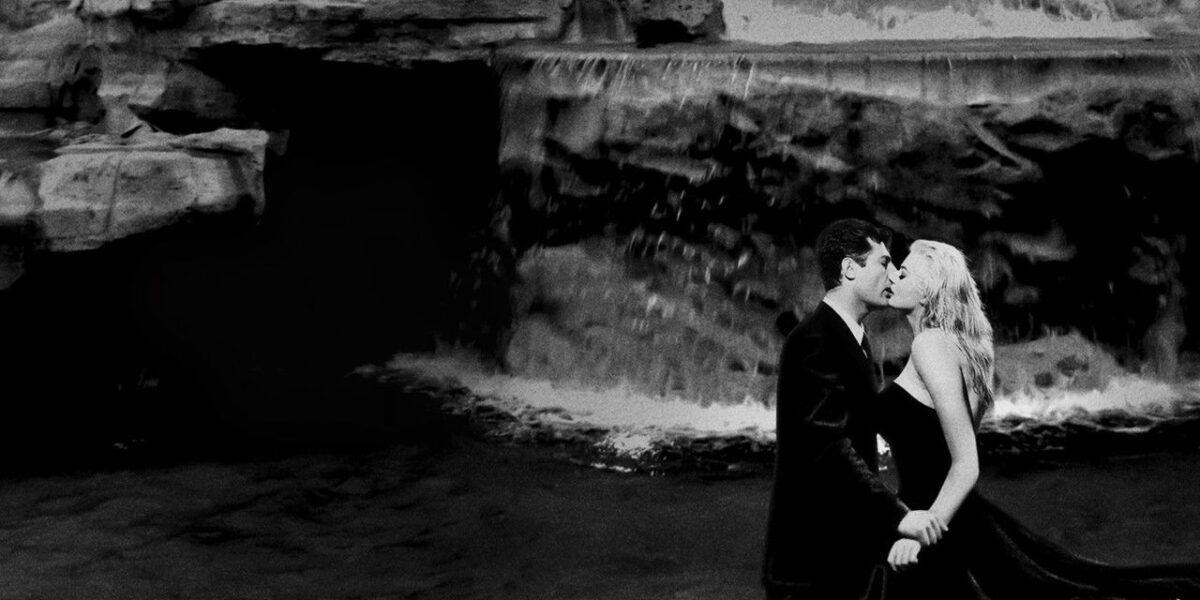
Federico Fellini’s masterpiece defines the best Italian films of all time through its mesmerizing portrait of Rome’s glamorous yet hollow nightlife. This three-hour epic follows journalist Marcello Rubini’s amorous adventures and spiritual emptiness amid wealth and beauty. The film revolutionized cinema with its visual poetry, unforgettable characters, and haunting score. La Dolce Vita remains essential viewing, exploring themes of alienation, beauty, and human connection that resonate across generations, making it indispensable for understanding Italian cinema’s artistic evolution.
2. Bicycle Thieves (1948)
Director: Vittorio De Sica | Genre: Neorealism Drama | ⭐ 8.3/10
This groundbreaking neorealist film stands among the best Italian films of all time, telling a deceptively simple story of a man searching for his stolen bicycle in post-war Rome. Vittorio De Sica’s humanistic approach and use of non-professional actors created an entirely new filmmaking language. The film’s emotional power derives from its authenticity, capturing poverty, desperation, and paternal love with devastating honesty. Bicycle Thieves influenced countless filmmakers worldwide, establishing Italian cinema’s commitment to social realism and establishing it as one of history’s greatest films.
3. 8½ (1963)
Director: Federico Fellini | Genre: Drama | ⭐ 8.2/10
Fellini’s groundbreaking meta-narrative follows film director Guido Anselmi navigating creative crisis and personal chaos. Counted among the best Italian films of all time, this surrealist masterpiece blurs reality and fantasy while exploring artistic obsession, memory, and desire. The film’s innovative structure—mixing dreams, flashbacks, and present moments—revolutionized narrative cinema. Its iconic imagery and psychological depth continue inspiring filmmakers. The circular ending offers philosophical commentary on existence and artistic creation, making 8½ essential for understanding modern cinema and demonstrating why the best Italian films of all time transcend their era.
4. Cinema Paradiso (1988)
Director: Giuseppe Tornatore | Genre: Drama | ⭐ 8.0/10
Giuseppe Tornatore’s nostalgic masterpiece captures the transformative power of cinema through a young boy’s friendship with a film projectionist. Among the best Italian films of all time, Cinema Paradiso beautifully portrays post-war Sicily and cinema’s role in community life. The film’s emotional resonance comes from its celebration of film magic, human connection, and coming-of-age themes. Ennio Morricone’s magnificent score elevates every frame. This accessible yet profound exploration of memory and cinema’s eternal impact makes it beloved by audiences worldwide, demonstrating why the best Italian films of all time connect universal human experiences with distinctly Italian sensibilities.
5. The Leopard (1963)
Director: Luchino Visconti | Genre: Historical Drama | ⭐ 8.1/10
Luchino Visconti’s epic exploration of 19th-century Sicily during Italian unification represents the best Italian films of all time through its visual splendor and philosophical depth. Starring Burt Lancaster as Prince Salina, the film examines social change, mortality, and historical inevitability. Visconti’s meticulous direction, combined with Giuseppe Rotunno’s cinematography and Nino Rota’s score, creates an immersive historical experience. The famous ball sequence remains cinema’s most visually stunning moments. The Leopard challenges characters and viewers to confront change and tradition’s tension, exemplifying why the best Italian films of all time offer profound reflections on human existence and historical forces.
6. Amarcord (1973)
Director: Federico Fellini | Genre: Comedy-Drama | ⭐ 7.9/10
Fellini’s semi-autobiographical exploration of a small Italian town during fascism ranks among the best Italian films of all time for its vibrant characterization and satirical social commentary. The episodic narrative follows diverse townspeople through seasons and events, creating a rich tapestry of human experience. Fellini captures nostalgia, desire, hypocrisy, and dreams with equal measures of humor and melancholy. The film’s exuberant visual style and memorable performances showcase Italian cinema’s expressive potential. Amarcord demonstrates why the best Italian films of all time often examine their nation’s complex history while celebrating the peculiar beauty of ordinary lives and human eccentricity within community.
7. Umberto D. (1952)
Director: Vittorio De Sica | Genre: Neorealism Drama | ⭐ 8.2/10
De Sica’s devastating portrait of elderly pensioner Umberto confronting poverty in Rome stands among the best Italian films of all time for its compassionate social critique. The film’s deceptively simple narrative—Umberto struggling with rent and eviction—becomes profound meditation on dignity, aging, and society’s treatment of vulnerable individuals. Non-professional actors and authentic locations enhance the film’s emotional authenticity. The film’s conclusion remains cinema’s most heartbreaking moments. Umberto D. exemplifies neorealism’s power to elevate ordinary lives into universal statements, showing why the best Italian films of all time combine personal stories with broader social commentary and genuine human emotion.
8. L’Avventura (1960)
Director: Michelangelo Antonioni | Genre: Drama | ⭐ 8.0/10
Antonioni’s revolutionary film explores alienation and human disconnection among wealthy Italians. Woman disappears, but the search becomes secondary to characters’ emotional disconnection and existential confusion. Among the best Italian films of all time, L’Avventura challenged narrative conventions through its elliptical storytelling and emphasis on mood over plot. Cinematographer Aldo Scavarda’s stunning Sicilian locations contrast with characters’ internal emptiness. The film’s deliberate pacing invites contemplation on modern life’s spiritual bankruptcy. Antonioni’s influence on world cinema proves immeasurable, demonstrating how the best Italian films of all time innovate formally while exploring profound psychological and philosophical territory that continues resonating with contemporary audiences.
9. Visconti’s Rocco and His Brothers (1960)
Director: Luchino Visconti | Genre: Drama | ⭐ 8.1/10
This monumental film following a Southern Italian family’s migration to industrial Milan represents the best Italian films of all time through its scope, emotional depth, and social observation. The five-hour narrative traces five brothers’ divergent fates amid economic hardship and moral complexity. Visconti’s direction emphasizes family bonds while examining class struggle, boxing culture, and sexual morality. The cast delivers devastating performances, particularly Alain Delon and Renato Salvatori. Visconti’s humanistic approach reveals why the best Italian films of all time often explore class conflict and family dynamics with psychological complexity. The film remains culturally significant, examining Italian society’s transformation during rapid modernization.
10. The Conformist (1970)
Director: Bernardo Bertolucci | Genre: Thriller-Drama | ⭐ 8.0/10
Bertolucci’s masterpiece examines fascism’s psychological seduction through protagonist Marcello’s moral compromises. Among the best Italian films of all time, The Conformist uses visual sophistication and narrative complexity to explore ideology, sexuality, and personal identity. Jean-Louis Trintignant’s performance captures desperate normality’s tragedy. Vittorio Storaro’s groundbreaking cinematography creates visual language perfectly suited to Marcello’s internal conflict. The film’s exploration of how ordinary people become complicit in evil remains disturbingly relevant. The Conformist demonstrates why the best Italian films of all time challenge viewers intellectually while maintaining emotional engagement, examining history’s darker aspects through intimate personal stories.
11. Nights of Cabiria (1957)
Director: Federico Fellini | Genre: Drama | ⭐ 8.0/10
Fellini’s poignant portrayal of prostitute Cabiria navigating Rome’s streets counts among the best Italian films of all time for its humanity and compassion. Giulietta Masina’s luminous performance captures Cabiria’s resilience, vulnerability, and desperate hope despite repeated disappointment. Fellini’s visual poetry transforms urban locations into dreamlike landscapes. The film balances neorealist observation with surrealist moments, creating unique stylistic fusion. Nights of Cabiria explores marginalization, desire, and spiritual emptiness with genuine empathy. The ending’s ambiguous hopefulness defines why the best Italian films of all time often celebrate human dignity in challenging circumstances while questioning whether redemption remains possible in modern society.
12. The Battle of Algiers (1966)
Director: Gillo Pontecorvo | Genre: War-Drama | ⭐ 8.0/10
Though Algerian-Italian co-production, this revolutionary film ranks among the best Italian films of all time for cinematography and ideological impact. The Battle of Algiers depicts the Algerian independence struggle using documentary-style realism. Pontecorvo’s innovative approach combines narrative drama with journalistic authenticity, creating immersive urban warfare experience. The film’s political engagement sparked controversy yet earned critical acclaim for artistic achievement. Its influence on cinema and political filmmaking proves substantial. The best Italian films of all time often engage social issues courageously, and this film exemplifies how cinema can simultaneously entertain and educate while exploring colonialism and resistance movements’ complexities.
13. Ossessione (1943)
Director: Luchino Visconti | Genre: Crime Drama | ⭐ 7.8/10
Visconti’s neorealist adaptation of James M. Cain’s novel stands among the best Italian films of all time as cinema’s first neorealist masterpiece. The film’s gritty portrayal of lower-class characters and shadowy atmosphere established new aesthetic possibilities. Ossessione’s treatment of passion, betrayal, and murder influenced subsequent Italian cinema significantly. The film’s authentic locations and naturalistic performances departed from theatrical convention. Though banned by fascist authorities, Ossessione emerged as foundational neorealist work. This demonstrates why the best Italian films of all time often challenged prevailing norms while developing innovative approaches to narrative and visual storytelling that inspired generations of filmmakers.
14. Blow-Up (1966)
Director: Michelangelo Antonioni | Genre: Thriller-Drama | ⭐ 7.7/10
Antonioni’s stylish London-set thriller exploring reality’s nature ranks among the best Italian films of all time despite non-Italian location. Photographer Thomas discovers disturbing elements in photographs, leading to existential mystery. David Hemmings delivers compelling performance amid swinging sixties atmosphere. Antonioni’s visual sophistication and narrative ambiguity create film about perception, truth, and modern alienation. The enigmatic ending resists resolution, inviting interpretation. Blow-Up demonstrates Italian cinema’s international reach and artistic ambition. The best Italian films of all time frequently question reality and perception, and Antonioni’s exploration remains essential viewing for understanding cinema’s potential to examine epistemological uncertainty and contemporary existence.
15. The Tree of Wooden Clogs (1978)
Director: Ermanno Olmi | Genre: Drama | ⭐ 7.9/10
Olmi’s patient, observational narrative of rural Lombardy peasants represents the best Italian films of all time through its poetic naturalism and spiritual depth. The film’s episodic structure captures daily agricultural existence with meditative attention. Non-professional actors inhabit their roles organically, creating documentary-like authenticity. Olmi’s humanistic vision celebrates working-class dignity and spiritual resilience despite hardship. The Tree of Wooden Clogs won Palme d’Or, confirming Italian cinema’s continued artistic vitality. This film exemplifies why the best Italian films of all time ultimately celebrate human spirit and connection amid life’s challenges, offering timeless meditation on community, faith, and meaningful existence that transcends historical period.
Conclusion
Italian cinema’s greatest achievements span nearly a century of artistic innovation, social engagement, and visual poetry. The best Italian films of all time showcase profound humanistic values, technical excellence, and fearless exploration of complex themes. From neorealist masterpieces to experimental narratives, these films continue inspiring filmmakers and audiences worldwide. Whether experiencing these classics for the first time or revisiting beloved films, viewers discover why Italian cinema occupies cinema’s highest echelons. Our list remains regularly updated as new films emerge, ensuring readers always access current assessments of Italy’s cinematic treasures and evolving artistic legacy.
Frequently Asked Questions
What defines the best Italian films of all time?
The best Italian films of all time combine artistic excellence, cultural significance, and lasting influence on global cinema. We prioritize critical acclaim, innovative storytelling, technical achievement, and accessibility for contemporary audiences. Films should demonstrate distinctly Italian perspectives while exploring universal human themes.
Are all the best Italian films of all time in Italian language?
Most best Italian films of all time are Italian-language productions, though some international co-productions feature Italian directors or primarily Italian casts. We focus on films from Italian filmmakers or primarily produced by Italian studios, regardless of language.
Which era produced the best Italian films of all time?
The 1950s-1970s produced exceptional Italian cinema, including neorealism and art cinema movements. However, the best Italian films of all time span multiple eras, from 1940s masterpieces