John Hughes Planned Breakfast Club Sequel Reuniting Original Cast as Adults in Their 30s
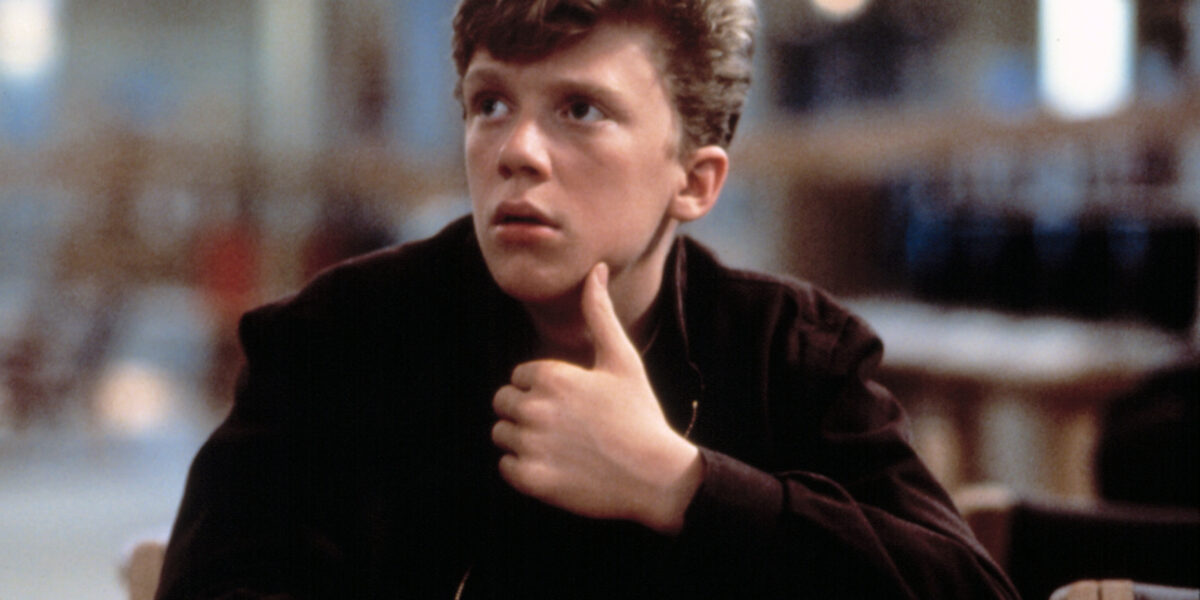
Breakfast Club sequel John Hughes — Anthony Michael Hall revealed that legendary director John Hughes had conceived a Breakfast Club sequel idea featuring the iconic 1985 film’s original cast reuniting as adults. The actor shared this unrealized vision during an appearance on “The Rich Eisen Show,” discussing Hughes’ creative plans that never came to fruition before the director’s death in 2009.
Breakfast Club sequel John Hughes: The Details
During his recent television appearance, Anthony Michael Hall discussed John Hughes’ vision for continuing The Breakfast Club narrative. Hughes envisioned bringing back the five main characters from the 1985 classic film, but aging them to their 30s. This concept represented Hughes’ interest in exploring how these teenagers would have evolved into adulthood following their transformative Saturday detention experience.
Hall’s revelation provides a rare glimpse into Hughes’ creative thinking regarding sequels and legacy projects. The Breakfast Club sequel concept would have allowed Hughes to examine the long-term impact of that pivotal day on each character. Rather than merely recreating the original film’s formula, Hughes appeared interested in a more mature exploration of their lives and relationships.
The idea speaks to Hughes’ understanding of his audience’s relationship with the characters. Fans had grown up alongside the cast, making a grown-up reunion particularly appealing. This approach would have differed significantly from typical Hollywood sequel strategies, offering something genuinely original and emotionally resonant.
What This Means for Cinema
The unrealized Breakfast Club sequel represents a missed opportunity in film history. Hughes was known for his authentic portrayal of teenage experiences, and his mature perspective on those same characters could have revolutionized how filmmakers approach legacy sequels. Rather than nostalgia-driven cash grabs, this concept suggested a thoughtful examination of life’s passage.
This idea also reflects broader conversations about intellectual property and artistic vision. The Breakfast Club remains culturally significant partly because Hughes protected its integrity. Had the sequel been made but failed, it might have diminished the original’s legacy. Conversely, a successful execution could have set new standards for franchise continuation in cinema.
Today’s filmmakers and studios could learn from Hughes’ conceptual approach. Rather than immediate sequels capitalizing on current popularity, strategic waiting allows for more meaningful storytelling opportunities, potentially creating intergenerational narratives that resonate across demographics.
What We Know So Far
- Anthony Michael Hall discussed the unrealized Breakfast Club sequel concept during an appearance on “The Rich Eisen Show”
- John Hughes planned to reunite the original five-member cast as adults in their 30s
- The concept remained undeveloped before Hughes’ death in 2009
- Hughes viewed the project as an opportunity to explore character development and adult perspectives
- The original Breakfast Club film was released in 1985 and directed by Hughes
What’s Still Unknown
- Whether Hughes developed detailed scripts or outlines for the Breakfast Club sequel concept
- How far along Hughes had progressed with the sequel’s development before his passing
- Whether other cast members were aware of or discussed this sequel plan during their careers
- If Hughes’ estate or producers have considered developing this concept posthumously
Anthony Michael Hall’s revelation about the Breakfast Club sequel adds to the legacy of John Hughes’ remarkable career. For more information about the original film and cast, visit The Breakfast Club on IMDb. This discussion highlights how visionary directors sometimes conceive projects that never reach audiences, leaving lasting questions about cinematic possibilities.
The concept of reuniting beloved characters years later continues attracting interest from contemporary studios. However, Hughes’ intellectual approach suggests that not every franchise extension serves the original story. The filmmaker’s willingness to wait and develop a meaningful narrative offers valuable perspective in today’s sequel-saturated landscape.