Deaf: Honest Review — Is It Worth Watching? | 7.2/10
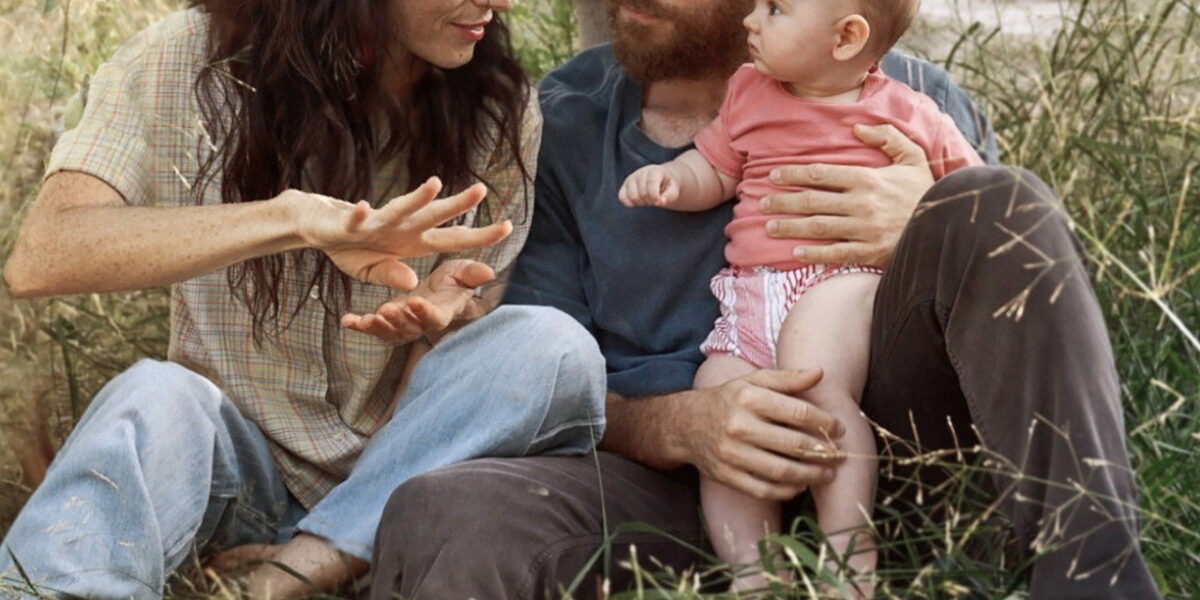
Deaf is a gutting, unflinching portrait of motherhood sabotaged by deafness and a society that simply refuses to accommodate — it’s absolutely worth watching if you’re hungry for cinema that doesn’t soften its edges. Eva Libertad’s debut stings precisely because it refuses the redemptive arc Hollywood would demand, instead settling into the exhausting, infuriating reality of being invisible.
| Director | Eva Libertad |
| Cast | Miriam Garlo, Álvaro Cervantes, Elena Irureta, Joaquín Notario, Daniela Saura Pérez |
| Runtime | 100 min |
| Genre | Drama |
| Year | 2025 |
The plot (no spoilers)
Deaf centers on Ángela, a deaf woman navigating pregnancy and new motherhood while her hearing partner Héctor navigates his own assumptions about what she can or cannot do as a mother. The premise sounds like it could veer into melodrama, but Libertad’s script is too sharp for that — it’s about the thousand tiny moments when the world decides you’re not competent enough, and how that corrodes both love and self-worth over time.
The film unfolds in Spain’s healthcare and social systems, which function almost as a secondary antagonist — not through villainous action, but through bureaucratic indifference and the crushing weight of accommodations that should be basic rights but feel like privileges. What you’re getting here is intimate, claustrophobic, and occasionally furious in ways that sneak up on you.
Acting & direction
Miriam Garlo anchors this film with a performance so grounded it feels almost documentary-like — she communicates volumes through sign language and facial expressions, never asking the camera to help her or telegraph emotion. Álvaro Cervantes does subtler work as Héctor, playing a well-meaning partner who slowly reveals his own limitations, his paternalism, his fear masquerading as protection, and Garlo and Cervantes have a chemistry that turns tender in one scene and razor-sharp tense in the next.
Libertad’s direction is deliberately unglamorous — the cinematography sits in fluorescent hospital light and cramped apartment spaces, never beautifying suffering for our comfort. The pacing is deliberate, almost slow-burn, which works because the film trusts you to understand that watching a person navigate systemic disrespect doesn’t need swelling strings or manufactured drama to land emotionally.
The strengths
- Garlo’s performance is a masterclass in communicating interior life without relying on dialogue, making her silences and sign language more eloquent than most actors’ soliloquies could ever be.
- The film refuses the inspirational disability narrative and instead shows how systemic failures, compounded daily, erode relationships and self-esteem in ways that no individual triumph can fix.
- Libertad’s screenplay avoids neat resolutions and instead embraces the messiness of real love cracking under the pressure of real indifference from institutions that claim to exist to help.
The weaknesses
- The second act sags slightly when the film retreads the same emotional beats without quite pushing them deeper, and you can feel the runtime starting to strain around minute sixty-five.
- Some supporting characters, particularly medical professionals, function more as symbols of systemic dysfunction than as people, which occasionally makes scenes feel didactic rather than lived.
Who should watch it
This is essential viewing for anyone who loves character-driven drama that refuses easy answers — if you responded to films like The Quiet Girl or A Quiet Place Part II‘s emotional texture (though this is far more grounded), or if you’re exhausted with Hollywood’s sanitized approach to disability, then the film will hit you hard. It’s also for anyone curious about contemporary Spanish cinema pushing beyond regional narratives into genuinely universal stories about belonging.
Final verdict
Deaf is that rare film that announces itself as a debut because it trusts its material so completely — Libertad knows exactly what story she wants to tell and refuses to sweeten it for mass appeal. At 7.2/10, it sits right where it should: undeniably moving and formally accomplished, but occasionally uneven in its pacing and thematic emphasis. Still, this is a film that stays with you, not because it’s perfect, but because it’s honest in ways cinema too often isn’t.
Scopri di più su IMDB.
FAQ
Is Deaf (Sorda) based on a true story?
No, it’s an original screenplay by director Eva Libertad, though it draws on authentic experiences of deaf parenthood and systemic barriers that many families face across Europe and beyond.
Does the film have subtitles for hearing audiences?
Yes, the film includes subtitles for the dialogue and also captions for sign language sequences, making it fully accessible while maintaining the integrity of deaf communication.
How does the film handle its deaf representation?
Miriam Garlo is deaf in real life, and Libertad centers her agency and perspective throughout — this isn’t a film made about deaf people, but one that trusts deaf experience as the primary lens.
What’s the age rating for Deaf?
The film contains mature themes about pregnancy, relationships, and systemic injustice, making it suitable for mature teens and adults, though specific ratings may vary by territory.
How does Deaf compare to other recent disability-focused films?
Unlike feel-good disability narratives, this film stays grounded in frustration and institutional failure rather than personal transcendence, making it tonally closer to neorealist cinema than contemporary accessible dramas.
META: “Deaf (Sorda) is a raw Spanish drama about motherhood, hearing loss, and systemic invisibility. Miriam Garlo delivers a gutting performance in Eva Libertad’s unflinching debut.” | FOCUS KEYWORD: Deaf | TAGS: Spanish drama, disability cinema, Eva Libertad, character study, 2025 film