Deep Water: Honest Review — Is It Worth Watching? | 7.4/10
Deep Water is the kind of streamlined genre exercise that knows exactly what it is and doesn’t pretend to be anything else — a competent, moderately thrilling shark-in-peril flick that delivers visceral moments without breaking a sweat. If you’re craving ninety minutes of primal survival chaos without character development getting in the way, this Renny Harlin film scratches that itch just fine, though it never lingers in your memory long after the credits roll.
| Director | Renny Harlin |
| Cast | Aaron Eckhart, Ben Kingsley, Molly Belle Wright, Angus Sampson, Elijah Tamati |
| Runtime | 107 minutes |
| Genre | Horror, Thriller, Disaster |
| Year | 2026 |
The plot (no spoilers)
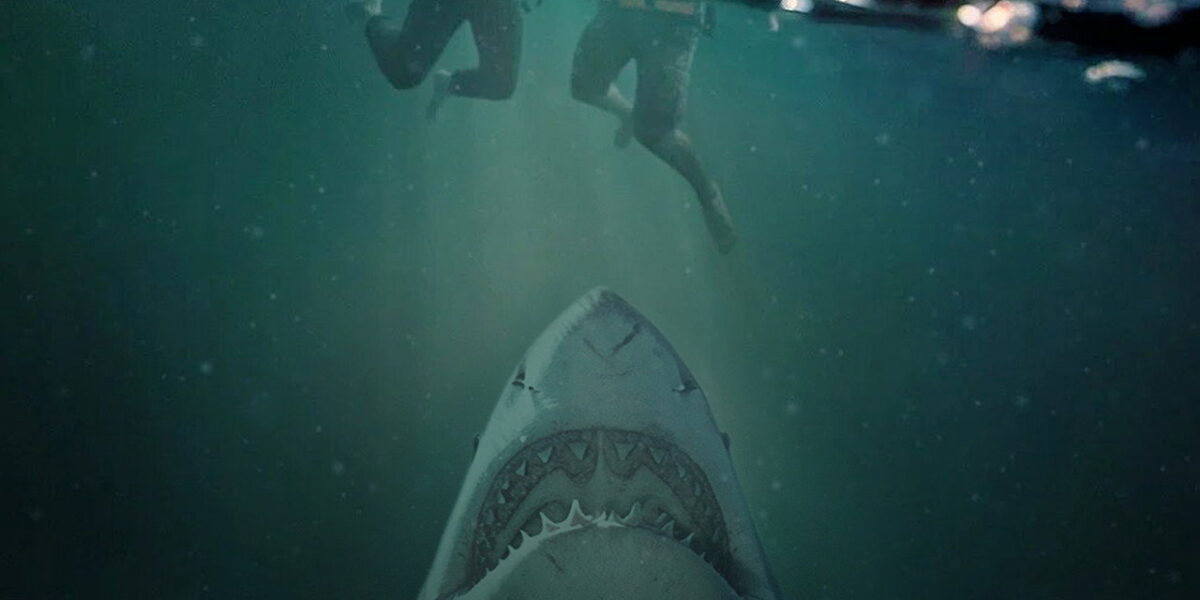
Deep Water drops an international flight crew and passengers into the Pacific Ocean following an emergency landing, and what should’ve been a by-the-book survival scenario spirals into a nightmare when the wreckage starts attracting sharks by the dozen. The film doesn’t waste time with elaborate backstories or philosophical hand-wringing — it’s pure setup-and-execution, where the real test begins the moment the plane hits the water and everyone realizes the ocean isn’t waiting for a rescue team. The tagline says it all: “Surviving the crash is just the beginning,” and the movie proves it means business.
The tone is relentlessly tense without ever becoming campy or self-aware, which is both a blessing and a limitation depending on your appetite for straightforward survival horror. Harlin orchestrates the mayhem with a workmanlike efficiency that recalls his best action work, but the film never finds a unique voice or thematic angle to elevate itself beyond the obvious premise. You know exactly what you’re signing up for: terror in saltwater, pragmatic survival decisions, and a ticking clock measured in oxygen and shark attacks rather than subplot resolutions.
Acting & direction
Aaron Eckhart anchors the chaos with his trademark everyman intensity, grounding the absurdity through sheer force of will and genuine dread — he’s the kind of actor who makes you believe he’s absolutely, terrifyingly aware that he might not survive this. Ben Kingsley brings gravitas to his supporting role without ever feeling wasted, and Molly Belle Wright holds her own in a thankless role that could’ve been forgettable in less committed hands. The ensemble doesn’t have much material to work with beyond “stay alive,” but nobody phones it in, which counts for something in a film this mechanically driven.
Harlin’s direction is all economy and urgency — the camera stays tight on faces contorted with panic, the editing rhythms accelerate as danger mounts, and the score by composer Hans Zimmer never lets tension deflate. The cinematography leans into cold blues and murky greens, making every frame feel claustrophobic even when the ocean should feel open. His pacing is almost surgical, cutting away plot fat without mercy, though this occasionally means character moments land with all the impact of a wet towel slap.
The strengths
- The shark attack sequences are genuinely brutal and choreographed with clear geography, so you’re never confused about where the threat is coming from or how bodies are positioned in space.
- Aaron Eckhart’s performance carries an undercurrent of quiet desperation that makes his survival instincts feel earned rather than heroic posturing.
- The film respects its runtime by never padding scenes — every beat serves immediate narrative function, which makes the pacing feel naturally propulsive.
- The practical effects work holds up remarkably well, with animatronic sharks that look convincing enough to make you wince rather than giggle at obvious CGI tells.
The weaknesses
- Character development is sacrificed so completely in service of plot momentum that you barely register who’s dying and why you should care, which neuters any potential emotional resonance when bodies start stacking.
- The film never explores the psychological dimension of its premise — there’s no real moral calculus about survival, no Lord of the Flies dynamics, just passive people waiting for rescue or death to arrive.
- Ben Kingsley’s talent feels wasted in a role that amounts to “stern authority figure,” and the script gives him nothing interesting to do beyond making obvious survival decisions.
- The third act spirals into increasingly contrived coincidences that feel less like earned plot progression and more like the screenplay running out of new ways to put people in jeopardy.
Who should watch it
This is the film for anyone who loved survival thriller content like The Meg or 47 Meters Down but doesn’t require their creature-feature to carry philosophical weight or complex characters. If you’re into straightforward disaster cinema with practical effects and committed performances, and you’re comfortable watching competent filmmaking that doesn’t aspire to greatness, Deep Water delivers exactly what its premise promises without apology. Avoid it if you’re looking for psychological depth, nuanced moral questions about human nature under pressure, or any thematic resonance beyond “water bad, sharks worse.”
Final verdict
Deep Water is a lean, functional survival thriller that proves Renny Harlin still knows how to stage action sequences and keep an audience jumping in their seats without requiring them to think too hard about anything happening onscreen. The film commits to its premise with admirable seriousness and never breaks character, which is admirable in an era when everything gets ironic distance from its own genre conventions. It won’t change your life or occupy your thoughts for weeks, but it’s honest entertainment that earns its runtime through sheer competence and a willingness to let sharks do what sharks do best. If that’s enough for you, it’s absolutely worth watching, though you’ll forget it by next weekend — and honestly, that’s okay.
FAQ
Is Deep Water worth watching in 2026?
If you want solid survival-horror without pretension or character complexity, absolutely yes — Harlin’s film delivers competent thrills and committed performances that justify the runtime, though it won’t linger in memory afterward.
Does Deep Water have jump scares or actual suspense?
Both — the shark attacks use practical effects and clear spatial editing to build genuine tension rather than relying solely on cheap jump-scares, making the danger feel credible and visceral throughout.
How does Deep Water compare to The Meg or other shark thrillers?
It’s grittier and less campy than The Meg, more serious in tone than 47 Meters Down, but shares their formula of survival-over-character and practical peril over psychological depth.
Does the film explain why there are so many sharks?
Minimally — the movie treats shark behavior as natural predatory response to wreckage and blood rather than a mystery to solve, which keeps the focus on immediate survival rather than exposition.
Is there a post-credits scene or sequel bait?
No — Deep Water ends conclusively and doesn’t chase franchise potential, which is refreshing even if it means the ending lacks the ambiguity some viewers might find more interesting.
TAGS: shark thriller, survival horror, Aaron Eckhart, Renny Harlin, creature feature
Scopri di più su IMDB.