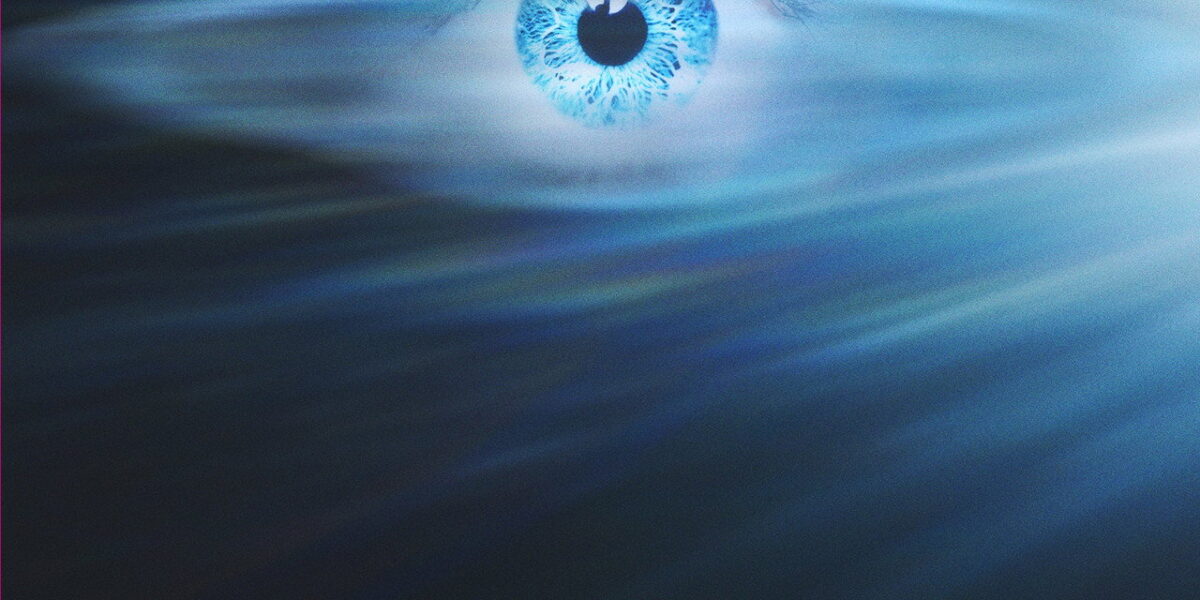
Disclosure Day: Honest Review — Is It Worth Watching? | 8.1/10
Disclosure Day is Spielberg swinging for the fences with a premise that genuinely matters, anchored by Josh O’Connor‘s magnetic paranoia and Emily Blunt‘s steely conviction. The film stumbles under its own ambition in the third act, but the first two hours make it absolutely worth your time if you’re hungry for intelligent science fiction that actually has something to say.
| Director | Steven Spielberg |
| Cast | Josh O’Connor, Emily Blunt, Colin Firth, Eve Hewson, Colman Domingo |
| Runtime | 146 minutes |
| Genre | Mystery, Science Fiction, Thriller |
| Year | 2026 |
The plot (no spoilers)
Disclosure Day asks the question that should terrify governments and unite humanity: what if we’re not alone, and someone finally proved it? The film centers on a whistleblower, a journalist chasing truth, and the institutional machinery desperate to bury it, all unfolding against the ticking clock of public revelation. It’s The Post meets Close Encounters, and Spielberg knows exactly how to weaponize that collision.
The tone here is taut, occasionally suffocating—think paranoid procedural with cosmic dread lurking just beyond frame. The movie doesn’t blow its load with spectacle right away; instead it constructs a web of whispers, denial, and moral compromise that feels disturbingly credible. By the time the big reveal hits, you’re emotionally invested in whether the truth actually sets us free or simply shatters what little peace we had.
Acting & direction
Josh O’Connor delivers the performance of his career as a man caught between loyalty and conscience, his face a roadmap of doubt and conviction fighting for dominance. Emily Blunt is ice and fire as a government operative who may or may not be humanity’s worst enemy, and Colin Firth brings bureaucratic menace to every scene he haunts. Colman Domingo steals moments with his weathered gravity, while Eve Hewson provides an emotional anchor that prevents the film from becoming pure thriller mechanics.
Spielberg’s direction here is restrained in a way that actually heightens tension—long takes of people in rooms deciding humanity’s fate, corridors that feel like cages, and a color palette that drains warmth as secrets accumulate. The cinematography by Janusz Kamiński bathes everything in institutional grays and sickly fluorescents, making even sunshine feel contaminated. The score knows when to vanish entirely, letting dialogue and atmosphere do the heavy lifting, which is where real suspense lives.
The strengths
- The first hundred minutes build a paranoid architecture so convincing you’ll second-guess your own government just watching the film, and that’s precisely the point.
- O’Connor‘s performance captures a man disintegrating in real time, watching his moral certainties crumble frame by frame with devastating specificity.
- The premise itself—that disclosure day would fracture rather than unite us—touches something genuinely frightening about human nature and institutional self-preservation.
- Spielberg resists the urge to make aliens visually spectacular, instead keeping them conceptual, which makes them infinitely more terrifying.
The weaknesses
- The third act abandons the careful suspense for conventional thriller beats that feel like Spielberg second-guessing his own intelligence, collapsing from character study into plot machinery.
- The climax doesn’t earn its emotional weight because the film can’t decide whether it’s making a statement about institutional power or about humanity’s existential loneliness, so it attempts both and achieves neither fully.
- At two hours and forty-six minutes, the narrative sags around minute ninety, introducing exposition dumps that should have been woven into the earlier tension instead of frontloaded as explanation.
Who should watch it
If you worship at the altar of political thrillers like All the President’s Men and spy procedurals that trust your intelligence, this is mandatory viewing despite its flaws. You’ll appreciate Spielberg’s commitment to gray-area storytelling and the refusal to provide easy moral comfort—though fair warning, the resolution won’t satisfy everyone. Skip it only if you need spectacle over substance or if alien movies require traditional Hollywood victory.
Final verdict
Disclosure Day is a frustrating film because it’s smart enough to matter and ambitious enough to swing for something genuinely challenging, but too compromised in execution to fully land the punch. Spielberg hasn’t made something this thematically urgent in years, and the cast elevates every scene with gravitational pull, but the writing collapses under the weight of what it’s attempting. Still, watch it—flawed ambition beats competent mediocrity every single time, and this film lingers in your brain long after the credits roll with uncomfortable questions it refuses to answer neatly.
FAQ
Is Disclosure Day worth watching?
Yes, if you value intelligent science fiction and political thrillers—the first two hours alone justify the runtime, though the ending deflates some of that excellence.
Do you need to know anything about aliens before watching?
No, the film is entirely self-contained and deliberately keeps alien lore mysterious; it’s about human response to the unknown, not alien mythology.
How does Disclosure Day compare to other Spielberg films?
It’s more Munich than War Horse—morally complex, institutionally cynical, and willing to leave you unsettled rather than uplifted.
Is there action or just talking?
It’s a character-driven thriller with tension that builds through dialogue and implication rather than set pieces; one sequence does escalate violently in the final act.
Does the ending answer the big questions?
It provides resolution to the plot but deliberately refuses to give you comfortable answers about what disclosure actually means for humanity—which is either brilliant or infuriating depending on your tolerance for ambiguity.
Meta: Focus keyword: Disclosure Day | Tags: Spielberg sci-fi thriller, Josh O’Connor, first contact mystery, 2026 film review, political thriller | Meta description: Spielberg’s audacious sci-fi thriller asks hard questions about first contact with intelligence and institutional trust—sharp performances and stunning paranoia, but narrative stumbles in the final act.
Scopri di più su IMDB.