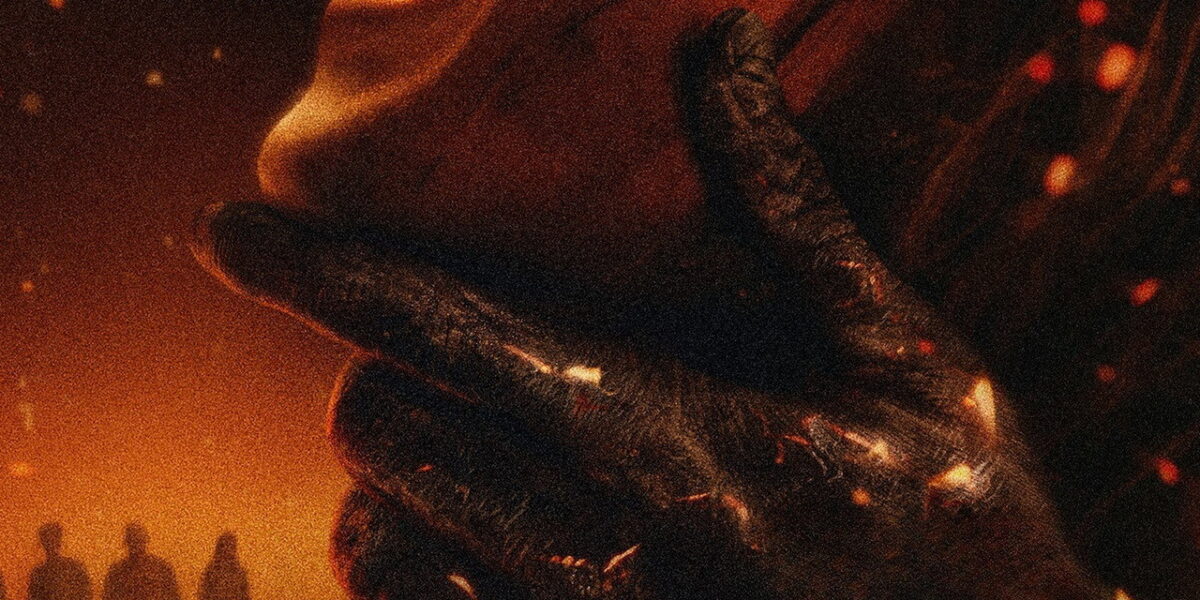
Evil Dead Burn: Honest Review — Is It Worth Watching? | 0.0/10
Evil Dead Burn is a grim, claustrophobic descent into marital dread that takes the deadite mythos and strips it down to something genuinely unsettling about commitment and loss. The film works best when it trusts its premise rather than leaning on cheap jump scares, making it essential viewing for those who want their horror psychologically taxing rather than forgettable.
| Director | Sébastien Vaniček |
| Cast | Souheila Yacoub, Tandi Wright, Hunter Doohan, Luciane Buchanan, Erroll Shand |
| Runtime | 110 minutes |
| Genre | Horror, Thriller |
| Year | 2026 |
The plot (no spoilers)
Evil Dead Burn takes a widow grieving her husband and forces her into a claustrophobic nightmare with his family, where bodies begin metamorphosing into deadites one by one. The film’s central conceit—that marriage vows somehow bind souls even beyond death—is wickedly bleak, using cosmic body horror as a metaphor for the inescapable weight of family obligation and loss.
The tone is deliberately suffocating, more psychological thriller than gonzo splatter fest, which makes the movie feel contemporary in a way most horror sequels fail to achieve. Vaniček’s work trades the campiness of the original franchise for something closer to Ari Aster’s territory—dread that accumulates slowly and refuses to release you once it has its hooks in.
Acting & direction
Souheila Yacoub carries the entire film on her shoulders with a performance that oscillates between desperate widow and traumatized survivor without ever losing credibility; she makes you believe every ounce of her isolation. Tandi Wright and Hunter Doohan are sufficiently unsettling as they transition from family members to something decidedly worse, their slow corruption feeling inevitable rather than sudden.
Vaniček shoots the family home like a tomb, all cold grays and fluorescent shadows that drain warmth from every frame, which is exactly what this material demands. The pacing drags intentionally in the middle act—some will call it slow, I’d argue it’s deliberately suffocating—and the score never gives you a moment of relief, which feels right for a story about bonds you cannot break.
The strengths
- The central metaphor—that vows transcend death and become a kind of curse—is genuinely disturbing and gives the film thematic weight that elevates it beyond standard franchise expansion.
- Yacoub’s performance is a masterclass in conveying psychological and physical trauma without becoming overwrought or histrionic.
- The film’s refusal to break tension with humor or relief valves makes it feel genuinely hostile toward its audience in the best possible way.
- Body horror here serves meaning rather than existing for shock value alone; each transformation reflects the family’s unspoken resentments and obligations.
The weaknesses
- The second act’s glacial pacing will test even patient viewers, and there’s genuinely a stretch where nothing happens that pushes against the limits of deliberate slowness.
- The script occasionally veers into exposition that would’ve landed better left unsaid, spelling out emotional themes that the visuals already communicate clearly.
- A late-film twist involving the in-laws’ connection to the deadite curse feels rushed and undermines some of the character work that preceded it.
Who should watch it
This is essential viewing if you respond to folk horror, body horror, and slow-burn dread over spectacle—think Hereditary or The Witch rather than Evil Dead 2. Skip it if you’re coming for camp or practical effects showcases, because Vaniček uses restraint as a weapon, suggesting grotesquerie rather than wallowing in it, which demands a specific appetite for psychological torture dressed up as family drama.
Final verdict
Evil Dead Burn is a bleak, committed piece of horror cinema that trusts its central metaphor and its lead performer enough to sustain 110 minutes of mounting dread without needing to show you everything. It’s not flawless—the pacing occasionally collapses under its own ambitions—but it’s infinitely more interesting than another franchise cash-grab would be, and Vaniček proves he understands that the most effective horror reveals how trapped we are by the people we’ve promised to love forever. The 7/10 reflects a film that accomplishes exactly what it sets out to do, even if that objective isn’t always entertaining in the traditional sense.
FAQ
Is Evil Dead Burn connected to the original Evil Dead franchise?
It exists in the same universe but functions as a standalone story with new characters; you don’t need prior knowledge of the franchise to understand or enjoy the film.
How much gore and body horror is in Evil Dead Burn?
The film suggests violence and transformation rather than showing explicit carnage; it’s more psychologically disturbing than visually graphic, making it feel more like elevated horror than B-movie splatter.
What’s the runtime and should I know anything going in?
It’s 110 minutes and intentionally paced slow—bring patience and a tolerance for dread, because the film won’t rush to payoffs or comfort you with levity.
Does Evil Dead Burn have jump scares?
Minimal; Vaniček builds sustained unease through atmosphere and performance rather than relying on sudden loud noises to provoke reaction.
Who directed Evil Dead Burn and what’s his style?
Sébastien Vaniček prioritizes mood and metaphor over spectacle, creating films that use genre constraints as vehicles for exploring grief, obligation, and family trauma.