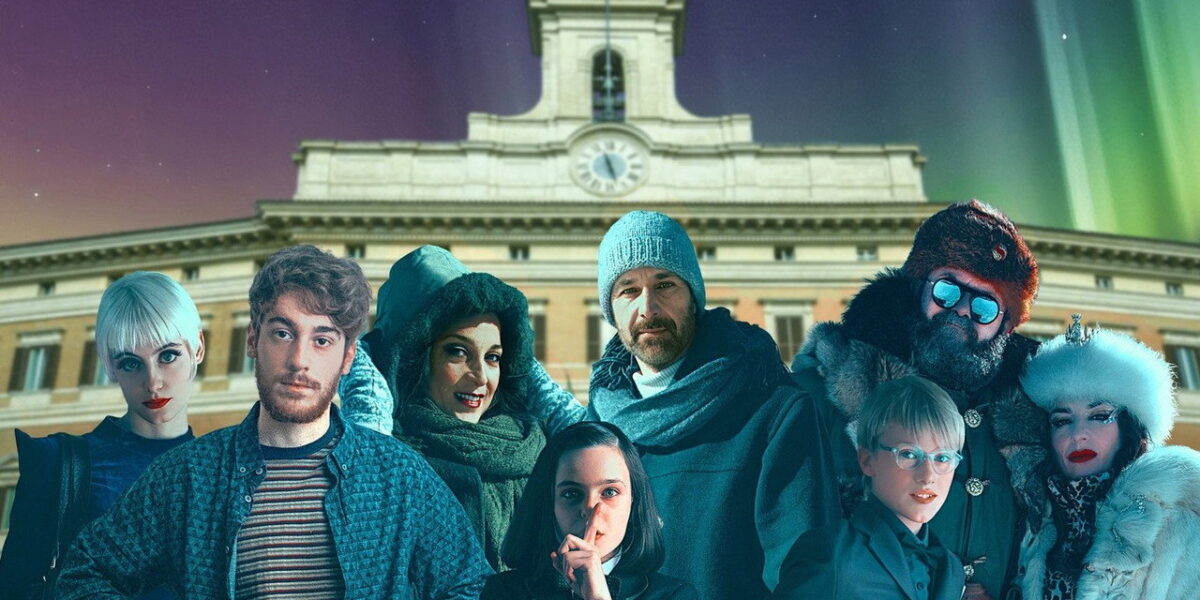
Greta e le favole vere: Honest Review — Is It Worth Watching? | 0.0/10
Greta e le favole vere is a well-meaning but painfully earnest Italian family film that mistakes sentimentality for genuine emotional depth, landing somewhere between a Christmas TV special and an animated storybook that nobody asked for. The film’s heart is undeniably in the right place, but its execution is so heavy-handed that it suffocates any real magic before the opening credits finish rolling.
| Director | Berardo Carboni |
| Cast | Sara Ciocca, Mattia Garaci, Federico Cesari, Demetra Bellina, Donatella Finocchiaro |
| Runtime | 93 min |
| Genre | Comedy, Family |
| Year | 2026 |
Greta e le favole vere: The plot (no spoilers)
The premise of this film is simplicity wrapped in Christmas tinsel: nine-year-old Greta, played with wide-eyed earnestness by Sara Ciocca, believes fervently in Santa Claus and convinces herself that her neighbor Nicola is somehow connected to the North Pole operation. Greta e le favole vere sets up what should be a touching collision between childhood innocence and adult deception, but instead delivers a predictable moral lesson about redemption through art.
The tone oscillates wildly between saccharine family warmth and awkward comedy that lands like a deflated balloon at a children’s party. The movie wants to be about the power of imagination and storytelling, which is noble enough, but the journey there feels so scripted and contrived that you can practically see the screenwriter’s notes in the margins of every scene.
Acting & direction
Sara Ciocca carries the film with a performance that’s genuinely likable, though she’s largely playing the role of “cute precocious child” without much complexity or surprise. Federico Cesari, as Nicola, seems to understand the assignment better than the script deserves—he brings a weariness and regret to the con artist neighbor that suggests there might have been a more interesting, darker film lurking beneath this one.
Berardo Carboni’s direction is competent but uninspired, relying heavily on soft-focus shots of Christmas decorations and close-ups of genuine emotion that feel engineered rather than earned. The pacing drags during the middle sections, and the animated fairy tale sequence—which should be the film’s emotional crescendo—arrives so abruptly that it feels more like a content insertion than an organic narrative climax.
The strengths
- The animated fairy tale interlude, while jarring, actually contains some genuinely inventive visual storytelling that briefly lifts the film above its kitchen-sink realism.
- Sara Ciocca and Donatella Finocchiaro (as the babysitter Katy) share a natural warmth in their scenes together that feels like the only authentic relationship in the entire film.
- The film’s core thesis about storytelling and imagination as a tool for processing disappointment is thematically sound, even if the execution is clumsy.
The weaknesses
- The script mistakes talking about emotions for actually evoking them, layering on dialogue that explains what we should be feeling rather than trusting the audience’s intelligence.
- At 93 minutes, the film still manages to feel bloated with unnecessary subplot detours and montages that pad the runtime without advancing either character or plot.
- The “twist” that Nicola isn’t Santa’s assistant is revealed and resolved so quickly that the entire second act collapses like a soufflé, leaving forty minutes of filler before the animated finale.
- The comedy is aggressively unfunny—pratfalls and mugging that would embarrass a 1990s straight-to-DVD release.
Who should watch it
If you’re hunting for wholesome family entertainment with zero edge or complexity, and your children respond positively to manipulative emotional beats set to schmaltzy piano scores, then this film might occupy their attention for an afternoon. Parents who appreciate heartfelt comedies like A Christmas Story or About a Boy should look elsewhere—this film doesn’t have the wit or craft that makes those films endure.
Final verdict
The movie lands as a well-intentioned misfire that conflates sincerity with quality, mistaking tears for truth and earnestness for artistry. There’s a modestly touching film about disillusionment and creative healing buried somewhere in here, but Carboni’s direction is too heavy-handed to excavate it effectively. Watch it if you’re genuinely desperate for Italian family content, but don’t expect anything that will linger with you beyond the closing credits.
Scopri di più su IMDB.
FAQ
Is Greta e le favole vere appropriate for children?
Yes, it’s rated for family audiences with no explicit content, though children over seven will likely find the humor juvenile and the pacing tedious.
What’s the runtime of this film?
The film runs 93 minutes, though it feels considerably longer during the sagging middle act.
Who plays Greta in this movie?
Sara Ciocca plays the titular character with natural charisma, delivering the film’s only consistently engaging performance.
Is there an animated section in Greta e le favole vere?
Yes, the climax features an animated fairy tale sequence created by Nicola’s character that’s the film’s most visually interesting moment, though it arrives abruptly and feels disconnected from the rest of the narrative.
Who directed this 2026 film?
Berardo Carboni directed the film with conventional, safe aesthetics that prioritize sentiment over cinematic ingenuity.