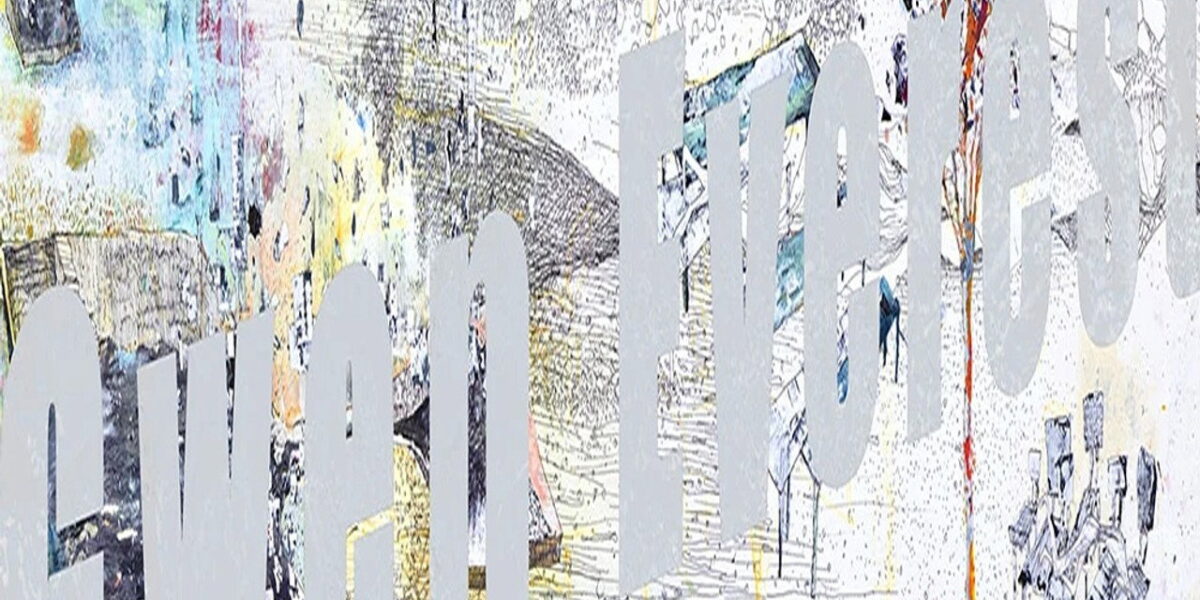
Gwen Everest: Honest Review — Is It Worth Watching? | 0.0/10
Gwen Everest is a fragmented, meditative piece that refuses to hold your hand—you’ll either find its obliqueness brilliant or frustratingly vague, and honestly, both reactions are valid. It’s a three-minute animation that demands far more intellectual labor than its runtime suggests, anchored in Frank Herbert lore and the quiet devastation of watching someone you love walk toward ruin.
| Director | Shunsaku Hayashi |
| Cast | Voice cast undisclosed |
| Runtime | 3 minutes |
| Genre | Animation, Experimental |
| Year | 2026 |
Gwen Everest: The plot (no spoilers)
Gwen Everest trades conventional narrative for pure emotional archaeology—it’s told from the perspective of someone watching a beloved figure embark on a doomed or at least ill-advised journey, powerless to intervene. The title itself is cryptic, deliberately obscure, a reference buried in Frank Herbert’s canon that most viewers won’t catch on first viewing. What you’re actually watching is the interior monologue of paralysis, the specific agony of being a bystander to someone else’s fate.
The film moves with the pace of a fever dream, fragmentary and impressionistic rather than traditionally structured. Hayashi’s direction prioritizes mood and texture over plot clarity, which means you’re constantly suspended between understanding and confusion, exactly where the narrative wants you. This isn’t a story you finish and immediately explain to a friend; it’s something you sit with, turn over in your mind, maybe rewatch to catch what slipped through your consciousness the first time.
Acting & direction
The voice work remains elusive—credits are sparse—but what emerges is less about performance and more about presence, a voice that carries the weight of unwanted knowledge and enforced passivity. The delivery lands somewhere between whisper and lament, never calling attention to itself but never disappearing either. It’s restraint deployed as a weapon, the opposite of theatrical grandstanding.
Hayashi constructs the visual language with real control: animation that feels both fluid and deliberately stilted, never comfortable. The soundtrack doesn’t sweeten anything; it amplifies the unease. Pacing is glacial by necessity—at three minutes, every frame has to justify itself, and mostly it does. The color palette leans toward cool, desaturated tones that reinforce emotional distance. It’s craftsmanship in service of a specific, almost uncomfortable feeling.
The strengths
- The film refuses to explain itself, trusting viewers to sit in ambiguity and draw their own conclusions from sparse narrative material.
- Visual composition is deliberate and economical, every shot carries thematic weight rather than serving pure exposition.
- The Herbert reference adds a layer of literary sophistication that deepens on reflection, transforming a simple premise into something more architecturally complex.
- At three minutes, it commits completely to its vision without overstaying or padding—pure distillation of a single emotional state.
The weaknesses
- The opacity borders on opaqueness sometimes, and without additional context or a second viewing, most people will walk away genuinely confused rather than productively uncertain.
- The Frank Herbert connection feels somewhat arbitrary if you’re not already steeped in his work, making the title seem like gatekeeping rather than artistic choice.
Who should watch it
This is strictly for the experimental animation crowd and cinephiles who actually enjoy wrestling with difficult art. If you’re into abstract storytelling, literary SF, or anything that prioritizes atmosphere over accessibility, you’ll find something here worth your three minutes. Fans of Panchiko’s work will recognize the emotional DNA instantly. Everyone else: prepare for frustration or sublime indifference, nothing in between.
Final verdict
Gwen Everest is a small work that swings for something genuinely strange and doesn’t quite land, but the attempt itself matters. It’s trying to visualize a specific flavor of helplessness, the kind that comes from being outside someone else’s choice, and it achieves that more often than it doesn’t. The film won’t appeal to mainstream audiences, and frankly, it shouldn’t—it’s not made for them. For the right viewer, though, it’s a haunting little artifact that lingers longer than its runtime should logically allow. That’s worth something.
FAQ
What is Gwen Everest about?
A three-minute animation depicting someone watching a loved one embark on a dangerous or ill-advised path, unable to stop them, told from a perspective of enforced passivity and emotional helplessness.
Is Gwen Everest worth watching?
Yes, if you enjoy experimental animation and don’t need conventional narrative structure—it’s brief, atmospheric, and thematically dense. No, if you prefer straightforward storytelling and plot clarity.
What does the Frank Herbert reference mean?
The title references an obscure character in Frank Herbert’s fiction, adding literary weight to the meditation on fate and inability to change someone else’s course, though full context requires familiarity with Herbert’s work.
Who directed Gwen Everest?
Shunsaku Hayashi directed the film, which premiered in 2026 as a brief but thematically ambitious piece of experimental animation.
Where can I watch Gwen Everest?
Check IMDB for current availability, festival circuits, or the creator’s official channels for screening information.