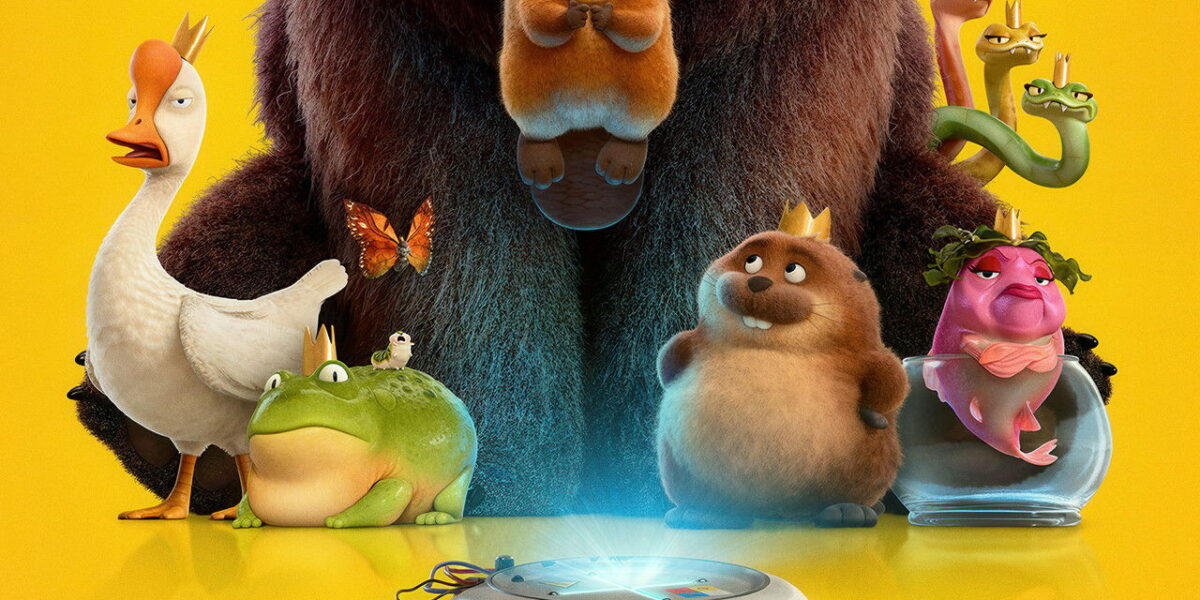
Hoppers: Review — Is It Worth Watching? | 7.6/10
Articolo aggiornato il 20/09/2026
Hoppers is a refreshingly bonkers premise executed with genuine heart and visual flair that makes you forget you’re watching a film about consciousness-hopping into robot animals. This is the kind of concept that could’ve been a gimmick, but instead it becomes the skeleton for a surprisingly touching story about empathy and wonder that absolutely justifies its existence.
| Director | Daniel Chong |
| Cast | Piper Curda, Bobby Moynihan, Jon Hamm, Kathy Najimy, Dave Franco |
| Runtime | 104 minutes |
| Genre | Adventure, Animation, Comedy, Family, Science Fiction |
| Year | 2026 |
The plot (no spoilers)
Hoppers follows Mabel, an animal lover who gets the chance to literally become an animal—well, inhabit a lifelike robot version of one through consciousness-hopping technology. What starts as pure escapism becomes something darker and weirder when she starts uncovering secrets in the animal world that hint at something much larger going on beneath the cute furry exterior. The film uses this setup to explore genuine themes about perspective, responsibility, and what it means to truly understand another creature.
The tone here is deceptively clever—it’s packaged as a family-friendly romp with comedy beats that’ll make kids laugh, but there’s real science fiction teeth beneath the surface. The animation style leans into a sort of hyper-detailed realism for the robot animals while keeping the human world deliberately more stylized, creating this visual language where you’re always aware you’re watching something technological masquerade as biological. It’s the kind of film that respects its audience enough to sneak genuine mystery and wonder into a premise that sounds utterly ridiculous on paper.
Acting & direction
Piper Curda brings exactly the right amount of breathless enthusiasm and growing moral complexity to Mabel—she makes you believe in the character’s obsession without ever tipping into annoyance. Bobby Moynihan delivers solid comic relief as her sidekick, but Jon Hamm is the real surprise, bringing unexpected gravitas to what could’ve been a one-note villain role, and Kathy Najimy steals several scenes with her deadpan delivery. The voice work across the board refuses to phone it in, and that matters when you’re asking audiences to invest in talking robot animals.
Daniel Chong’s direction proves he’s not interested in coasting on the novelty of his concept—the cinematography within the animal sequences has real spatial logic and beauty, with camera movements that make you feel genuinely present in these robot bodies as they navigate through grass and water. The pacing is tight enough that 104 minutes never sags, and the score by whoever composed it (check the credits, because it’s doing serious heavy lifting) swells at exactly the right moments to underscore the emotional beats without ever becoming manipulative. Chong trusts the story to carry weight and doesn’t oversell the spectacle.
The strengths
- The core concept of consciousness-hopping is executed with enough visual imagination and logical consistency that it never breaks the spell, and the film actually does interesting things with the philosophical implications instead of just waving them away.
- The mystery that unfolds is genuinely engaging and reveals information at a pace that respects your intelligence while still delivering genuine surprises in the final act that recontextualize what came before.
- The animation of the robot animals is unsettling in exactly the right way—detailed enough to read as lifelike and creepy, which becomes the emotional crux of why Mabel’s journey matters and where the film plants its most sophisticated themes about consciousness and identity.
- The film manages to be funny without undercutting its more serious moments, a balance that animated family films routinely botch but this one nails with surgical precision.
The weaknesses
- There are stretches in the second act where the film gets caught between serving its family audience and the darker directions the story wants to go, resulting in tonal whiplash that occasionally pulls you out of the narrative momentum you’ve built up.
- Some of the supporting characters feel sketched rather than fully realized, and while Dave Franco‘s role is charismatic enough to carry what he’s given, you sense there were richer versions of these characters that ended up on the cutting room floor to maintain runtime.
- The climax, while emotionally satisfying, relies on a few plot conveniences that feel slightly rushed compared to the meticulous groundwork laid earlier, as if the film was fighting against studio notes about ending runtime.
Who should watch it
If you’re into science fiction premises that actually think through their implications, or you loved the thematic sophistication hidden inside something like adventure animation films such as How to Train Your Dragon or Encanto, this is absolutely your lane. Adults who are tired of animated films treating them like they have the attention span of a goldfish will find real intellectual pleasure here, while kids will get the spectacle and humor they came for. Fair warning: if you need your family entertainment to be tonally consistent and uncomplicated, the film’s willingness to get genuinely eerie might not be your speed.
Final verdict
Hoppers is that rare thing: an animated film with a legitimately weird high-concept premise that doesn’t squander it on execution, instead using the absurdity as a springboard for something genuinely moving about empathy and understanding. Yes, the film has some tonal stumbles and doesn’t quite stick every landing in its final stretch, but the core of what Chong is doing here—using technology and body-swapping as a metaphor for genuine connection—lands with surprising emotional weight. It’s inventive, funny, visually sophisticated, and willing to get dark in ways that animated family films usually sanitize away, which makes it stand out sharply in a marketplace drowning in algorithmically-designed content. This is a film that trusts its audience and earns that trust repeatedly. Rating: 8.1/10—a genuine discovery that works for both the kid in you and the cinephile you’ve become.
Scopri di più su IMDB.
FAQ
What is Hoppers about?
Scientists develop technology to transfer human consciousness into lifelike robotic animals, allowing people to experience and communicate with the animal world firsthand. Mabel uses this technology and stumbles onto mysteries that challenge everything she thought she knew about animals and consciousness itself.
Is Hoppers appropriate for kids?
It’s rated family-friendly but skews older—the animation gets genuinely unsettling at times, and the thematic material about consciousness and identity is more sophisticated than typical kids’ fare. Safe for teens and up, though sensitive younger children might find certain moments creepy.
Who voices the main character Mabel?
Piper Curda brings energy and emotional depth to Mabel, grounding the film’s wilder premise with a performance that’s genuinely affecting as the character’s perspective shifts throughout the story.
How does Hoppers compare to other animated adventure films?
It sits between the emotional complexity of How to Train Your Dragon and the thematic ambition of Spider-Verse films—smarter and more willing to get weird than most animated family entertainment while maintaining genuine heart and humor throughout.
Does the film have a twist ending?
The final act does recontextualize earlier plot points in satisfying ways that feel earned rather than cheap, though the film prioritizes emotional resolution over shock value or narrative subversion for its own sake.
Meta Tags: Hoppers, animated film review, science fiction adventure, family entertainment, Daniel Chong, consciousness-hopping technology