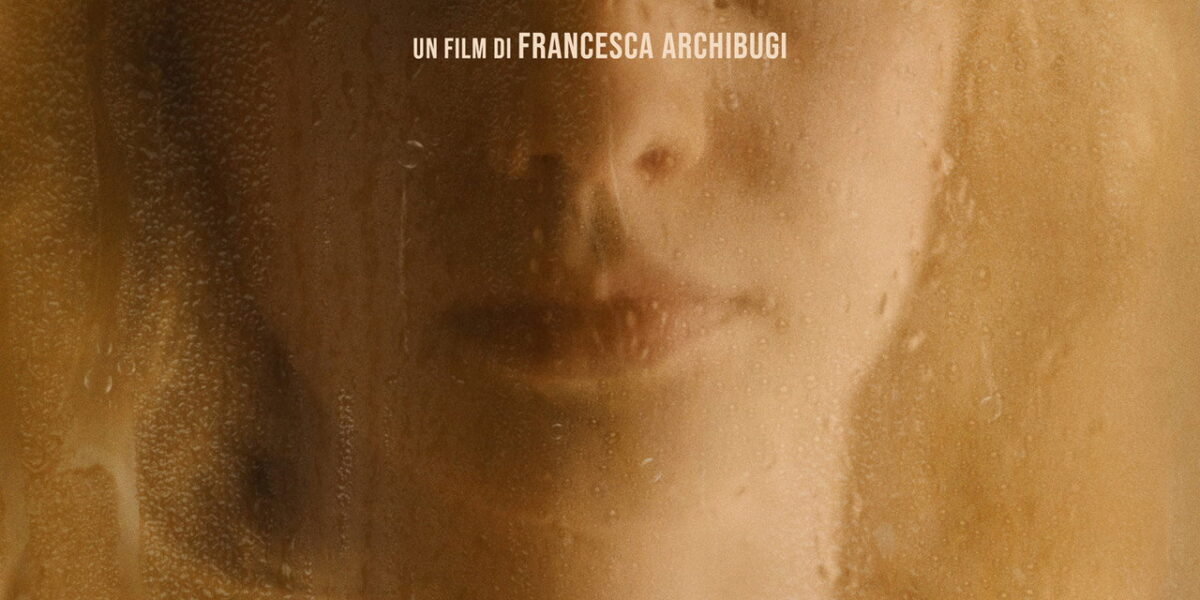
Illusione: Honest Review — Is It Worth Watching? | 5.8/10
Illusione is a frustratingly half-baked mystery that mistakes obfuscation for depth and asks us to invest in a premise so threadbare it snaps under the slightest scrutiny. Francesca Archibugi’s latest is beautifully shot but narratively adrift, squandering genuinely compelling performances from its ensemble cast on a story that never earns its psychological ambitions.
| Director | Francesca Archibugi |
| Cast | Jasmine Trinca, Michele Riondino, Vittoria Puccini, Angelina Andrei, Francesca Reggiani |
| Runtime | 110 minutes |
| Genre | Drama, Mystery |
| Year | 2026 |
The plot (no spoilers)
Illusione opens with a genuinely arresting image: a young woman, Rosa Lazar, pulled from the street nearly murdered, yet somehow unaware of her own trauma. The film positions this as a locked-box mystery where two professionals—an ambitious assistant district attorney and a psychologist with obvious emotional baggage—must untangle whether Rosa is genuinely dissociative or complicit in something far darker involving international crime. It’s haute concept stuff that should be magnetic.
What actually unfolds is a sluggish psychological drama that confuses opacity with intrigue and pacing with suspense. The movie dwells obsessively on the characters’ emotional states while the actual mystery sits gathering dust on the back burner, and by the halfway point you’re no longer sure if Archibugi herself remembers where this narrative is supposed to land. The tone shifts capriciously between noir procedural and intimate character study without committing to either.
Acting & direction
Jasmine Trinca deserves better than this; she brings a luminous, unsettling ambiguity to Rosa that almost—almost—makes the film’s central conceit work, her eyes communicating volumes about fractured memory and protective dissociation that the script never bothers to explore clearly. Michele Riondino plays Stefano with the wounded introspection of an actor trying to salvage emotional depth from increasingly muddled material, and Vittoria Puccini as Cristina channels cold professional competence that occasionally crackles with genuine conviction, though she’s fighting uphill.
Archibugi’s visual language is assured—lots of Umbrian geography, cool color grading that underscores psychological distance, and a score that broods without saying much of anything. But her direction feels decorative rather than purposeful, lingering on meaningful glances and significant silences that don’t accumulate into actual resonance. The pacing is glacial by design, which might have worked if the screenplay had anywhere coherent to go, but instead it feels like watching someone search for keys in a darkened room.
The strengths
- Jasmine Trinca’s performance carries an unsettling gravitational pull that makes you desperate to understand her character even when the film refuses to let you.
- The cinematography of Perugia and its surrounding regions feels genuinely atmospheric, rendering the setting as almost a fourth character in the psychological drama.
- There’s a tantalizing central premise buried here—the idea that trauma can be so severe it fractures identity—that occasionally breaks through the murk with real thematic weight.
The weaknesses
- The screenplay confuses vagueness with mystery, withholding information not to create suspense but simply because nobody involved seems entirely certain what the story actually is.
- At 110 minutes, the film feels 40 minutes too long, with entire sequences of characters staring pensively at walls or having non-conversations that add nothing but runtime.
- The promised “international crime ring” plotline is so undercooked and peripheral that introducing it feels like an afterthought desperately grafted onto a film that wants to be a quieter psychological study.
- The climactic revelations about Rosa’s true state feel arbitrary rather than inevitable, as if Archibugi determined them late in post-production rather than building toward them organically.
Who should watch it
If you’re a committed devotee of psychological mystery cinema and have the patience for slow-burn character work, there’s enough here to engage your curiosity—particularly if you admire actors like Trinca who communicate through gesture and silence. However, this isn’t the same ballpark as something like Minari or even earlier Archibugi work; it’s closer to the frustration zone where ambition outpaces execution, and you’ll likely abandon it before the denouement.
Final verdict
Illusione wants desperately to be a sophisticated meditation on trauma and memory, the kind of film you’d discuss in hushed tones at a film festival, but it mistakes indulgence for artistry and opacity for profundity. The cast—particularly Jasmine Trinca—salvages moments of genuine psychological intrigue, yet they’re drowning in a screenplay that’s more interested in atmosphere than clarity, more committed to withholding answers than earning them through genuine narrative architecture. It’s a beautiful-looking film about nothing in particular, and that’s the most damning thing I can say about cinema. Skip it unless you’re contractually obligated to watch every Italian drama from 2026.
Scopri di più su IMDB.
FAQ
Is Illusione worth watching?
Only if you have extreme patience for slow-burn character work and don’t mind an ambiguous, narratively muddled ending that doesn’t justify its runtime.
What is Illusione about?
A young woman survives a brutal attack but has no memory of the trauma, prompting a prosecutor and psychologist to investigate whether she’s genuinely amnesiac or hiding involvement in international crime.
Who plays Rosa Lazar in Illusione?
Jasmine Trinca delivers the film’s most compelling performance as the mysterious, traumatized Rosa.
Is Illusione a thriller or a drama?
It markets itself as both but commits fully to neither—it’s primarily a slow psychological drama with a thriller premise that never pays off.
How long is Illusione?
110 minutes, which feels approximately 40 minutes too long for a story that doesn’t have enough narrative momentum to sustain the runtime.
Tags: Illusione, Francesca Archibugi, psychological thriller, Italian cinema, Jasmine Trinca