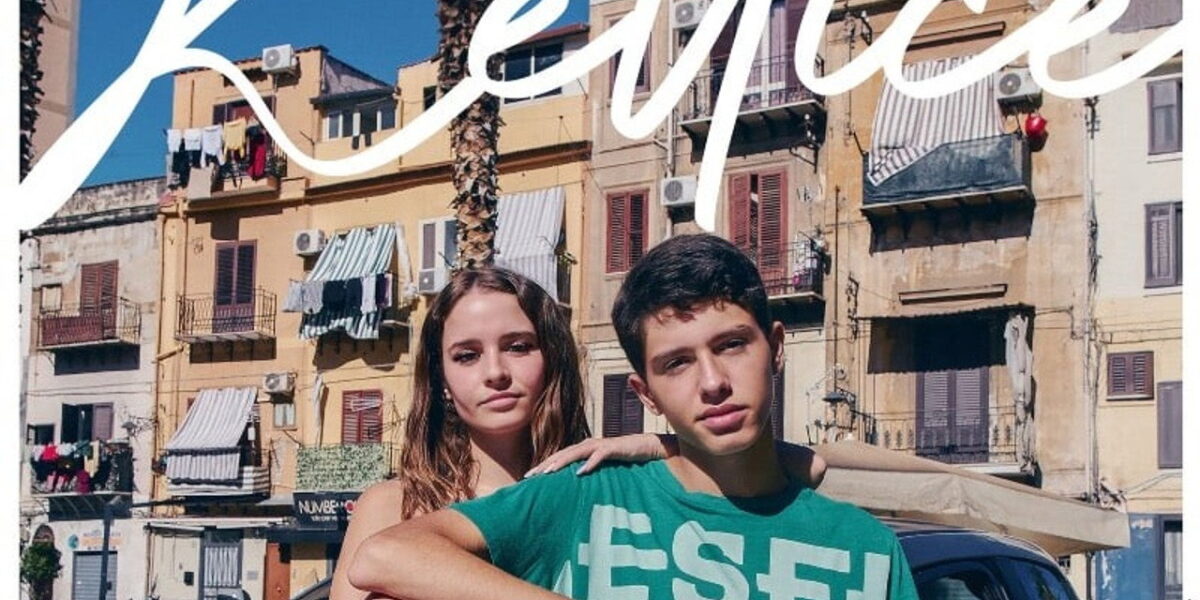
Ketticè: Honest Review — Is It Worth Watching? | 4.0/10
Ketticè is a painfully well-intentioned coming-of-age drama that mistakes melancholy for depth and mistakes meandering for contemplative. Giovanni Tortorici’s film about teenage aimlessness in Palermo arrives stillborn, strangled by its own commitment to doing nothing interesting with its premise.
| Director | Giovanni Tortorici |
| Cast | Salvatore Gallina, Rachele Testagrossa, Monica Bellucci, Davide Cirri, Rocco Sanfilippo |
| Runtime | 107 minutes |
| Genre | Drama |
| Year | 2026 |
Ketticè: The plot (no spoilers)
Ketticè plants us in 2012 Palermo with Giulio, a sixteen-year-old who has somehow managed to make apathy into an entire personality. The kid shuffles through school with zero enthusiasm, zero ambitions, zero spark—basically he’s the walking embodiment of every parent’s nightmare and every Tumblr user’s fantasy. When Ketty arrives, she’s supposedly the corrective force, the confident peer who’ll shake him loose from his stupor, and the film commits to this framework with all the urgency of wet spaghetti hitting linoleum.
The setting drips with Sicilian authenticity, sure, but the movie treats its own location like expensive wallpaper—atmospheric window dressing that doesn’t connect to anything happening onscreen. You’re watching two teenagers stumble toward something resembling romance or connection or growth, but the film moves so sluggishly through their journey that by the time something almost happens, you’ve already checked your phone three times.
Acting & direction
Salvatore Gallina delivers exactly what the script demands: a performance of crushing vacancy that somehow doesn’t quite reach actual complexity. Rachele Testagrossa has more magnetism but less to do, which is the film’s entire problem in miniature. Monica Bellucci appears in what feels like a supporting role that’s been cut down to a cameo, and her presence only highlights how the rest of the cast struggles to fill the void she briefly occupies with actual energy.
Tortorici’s direction is technically competent but spiritually inert—the cinematography looks nice enough to hang on a gallery wall but boring enough that you’d walk past it without stopping. The pacing crawls, the score lands with all the impact of a funeral march played underwater, and every scene unfolds as if the director believes watching teenagers do nothing for two hours constitutes artistic vision rather than just, well, watching teenagers do nothing for two hours.
The strengths
- The Palermo setting has genuine visual character, even if the film refuses to do anything meaningful with it beyond serving as a pretty backdrop.
- There are genuinely observed moments of teenage alienation buried under the tedium, glimpses of authentic discomfort that suggest Tortorici understands the emotional landscape he’s trying to map.
- Monica Bellucci‘s brief scenes carry a gravitational pull that momentarily suggests the film could be about something worth caring about if it ever committed to actual stakes.
The weaknesses
- The narrative refuses to move, confusing stasis with profundity in a way that tests every viewer’s patience without offering genuine insight into why these characters matter.
- The central relationship between Giulio and Ketty develops with all the momentum of continental drift, making their connection feel more like obligation than inevitable emotional collision.
- The film mistakes sadness for sophistication repeatedly, wallowing in teenage melancholy without ever earning the emotional weight it desperately wants us to feel.
- Ninety-seven minutes of screen time could have been tightened to seventy and lost absolutely nothing except the viewer’s will to live.
Who should watch it
If you’re absolutely committed to exhausting every coming-of-age drama ever made, regardless of quality, and you’ve already burned through your Gomorrah box set and rewatched every Linklater film twice, then sure, pour yourself a coffee and settle in for Ketticè. Fans of slow cinema who actually demand something happen beneath the surface will find this frustratingly passive, but completionists and insomniacs seeking pharmaceutical-grade visual anesthetic might find something to tolerate here.
Final verdict
Ketticè isn’t offensively bad—it’s worse than that, it’s aggressively forgettable. Tortorici has made a film that mistakes melancholy for meaning, that confuses doing nothing with exploring something, and that ultimately wastes a decent premise and a capable cast on 107 minutes of beautifully shot boredom. The 4.0 rating on TMDB feels generous, honestly, because at least anger requires passion to fuel it—this film can’t even muster the energy to disappoint you in an interesting way.
FAQ
Is Ketticè worth watching in 2026?
Only if you have a specific interest in contemporary Italian teen dramas or if watching paint dry holds genuine appeal for you. Otherwise, your time is better spent literally anywhere else.
Does Monica Bellucci have a big role in Ketticè?
No, she appears briefly but memorably, which paradoxically makes the rest of the film feel even more hollow by comparison. Her scenes are the film’s only genuine sparks.
What’s the runtime and is it necessary?
107 minutes that feel like 207. At least thirty minutes could evaporate without losing a single narrative beat, but Tortorici seems committed to testing viewer endurance.
How does Ketticè compare to other Palermo dramas?
It’s significantly less engaging than Gomorrah or even mid-tier Sicilian indie films because it lacks the narrative urgency or thematic clarity those films possess, despite working in similar territory.
Should I watch this film if I enjoyed slow cinema?
Slow cinema works when something meaningful accumulates beneath the surface—this film just sits there. Try Antonioni or Ozu instead for actual contemplative cinema with emotional substance.
Scopri di più su IMDB.