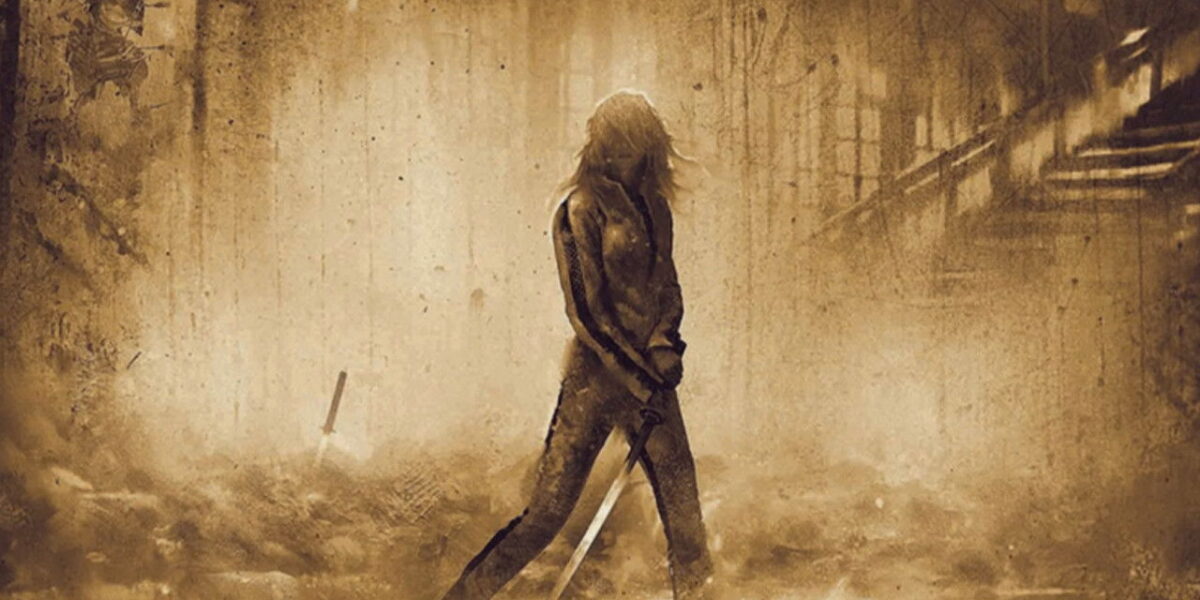
Kill Bill: The Whole Bloody Affair: Honest Review — Is It Worth Watching? | 8.1/10
Kill Bill: The Whole Bloody Affair is Tarantino at his most indulgent and genuinely electrifying, a four-hour revenge fantasy that justifies every second of its runtime with style, substance, and sheer adrenaline-soaked cinema. If you’ve seen the split release, this uncut restoration feels like experiencing the film anew—sharper, bloodier, and finally whole.
| Director | Quentin Tarantino |
| Cast | Uma Thurman, Lucy Liu, Vivica A. Fox, Michael Madsen, Daryl Hannah |
| Runtime | 254 minutes |
| Genre | Action, Crime |
| Year | 2011 (Uncut Release) |
The plot (no spoilers)
The Bride wakes from a coma four years after her intended murderer left her for dead on her wedding day, her unborn child stolen in a single act of jealous violence. Kill Bill: The Whole Bloody Affair follows her methodical hunt through a gauntlet of assassins, each encounter a perfectly choreographed setpiece dripping with blood and style. What could’ve been a straightforward revenge flick becomes something far richer: a meditation on trauma, identity, and the price of resurrection.
The film moves like a samurai epic filtered through 1970s exploitation cinema, then remixed with Tarantino’s chatty, digressive sensibility. You’re walking into a world where anime sequences, chapter breaks, and philosophical monologues share space with the most vicious sword combat ever committed to screen. The tone is deliberately uneven—darkly comic one moment, brutally serious the next—and it absolutely works because Tarantino trusts you to follow his weird, wonderful rhythm.
Acting & direction
Uma Thurman doesn’t just carry this film; she transforms it into a personal mythology, her face etched with the kind of exhausted rage that only comes from genuine hurt. Lucy Liu brings cold, aristocratic menace to O-Ren Ishii, while Vivica A. Fox steals her scenes with manic energy. Michael Madsen and Daryl Hannah understand the assignment: they’re both fascinating and expendable, tragic in their loyalty to a man who deserves none of it.
Tarantino’s direction here is pure visual storytelling—the cinematography shifts textures deliberately, the editing is razor-sharp, and Robert Rodriguez’s score knows exactly when to swell and when to vanish entirely. The pacing breathes, allowing quiet moments between massacres so you’re constantly shocked back into gear. The Crazy 88 fight, the wedding chapel flashback, the House of Blue Leaves sequence—each one is constructed like a thesis on how to film human violence without losing your sense of artistry or moral weight.
The strengths
- Uma Thurman’s performance is the emotional skeleton that holds all the genre pastiche together, giving you a protagonist worth following through four hours of increasingly baroque violence.
- The film’s willingness to be digressive and chatty makes it feel lived-in rather than mechanically plotted; you believe these characters exist beyond their scenes.
- Every fight sequence is choreographed and shot with such clarity and invention that you actually understand the geography of each battle, unlike so many modern action films shot in murk and quick cuts.
- The tonal shifts—from slapstick comedy to genuine tragedy to operatic bloodletting—feel intentional and purposeful, not careless or confused.
- The uncut restoration finally allows the film to breathe as intended, with none of the awkward transitions or missing material that plagued the original theatrical split.
The weaknesses
- The film’s fourth act, set in Bill’s compound, loses some narrative momentum as exposition takes over and the action becomes more dialogue than movement, which can feel like an anticlimax after the relentless buildup.
- There’s an undeniable strain of male-gaze eroticism running through the movie that occasionally undercuts the feminist revenge fantasy it’s trying to be, especially in how it photographs its female assassins.
- At 254 minutes, the film does demand a real commitment from viewers, and some stretches of yakuza-world-building or House of Blue Leaves aftermath feel more self-indulgent than essential.
Who should watch it
This is essential viewing for anyone obsessed with action cinema, crime dramas, or the collected works of Tarantino—think Pulp Fiction energy meets samurai mythology. You need to have either seen the original split release or have the patience for a genuinely epic runtime. Fans of stylish revenge narratives and uncompromising filmmaking will feel at home here, though if you’re squeamish about graphic violence or impatient with conversational detours, this might test your tolerance. This is for cinephiles willing to treat cinema as an experience rather than a commodity.
Final verdict
This is Tarantino operating at peak confidence, no longer trying to prove himself but rather indulging every weird impulse that made him singular in the first place. Kill Bill: The Whole Bloody Affair justifies its excess through sheer craft, visual invention, and emotional stakes that sneak up on you beneath all the arterial spray. It’s a masterwork of genre cinema that respects both its audience’s intelligence and their appetite for beautiful, brutal spectacle. If you love film as pure cinema—as visual language, as music, as style married to substance—this demands to be experienced on the biggest screen possible, preferably uninterrupted. A clear eight out of ten that could easily climb higher depending on your tolerance for Tarantino’s maximalism.
FAQ
Is Kill Bill: The Whole Bloody Affair worth watching if I’ve already seen the original split films?
Absolutely. The uncut restoration restores deleted scenes, removes awkward transitions, and presents the film as Tarantino originally intended—it’s a meaningfully different, superior experience even for fans of the theatrical versions.
How much violence and gore are we talking about?
This is one of cinema’s most stylized bloodbaths—sword fights, gunplay, brutal hand-to-hand combat with blood fountaining across the screen. It’s graphic but deliberately unrealistic, operatic rather than gritty. Not for the squeamish.
Is the four-hour runtime really necessary?
Yes, genuinely. The film uses its length to build atmosphere, develop character through dialogue, and vary between quiet moments and explosive action. It never feels bloated—it feels complete.
What if I haven’t seen Kill Bill before—should I start here or with the split releases?
Start with The Whole Bloody Affair. There’s no reason to see the inferior theatrical version now that the uncut edition exists. Jump straight into the full experience.
Does this film hold up in 2024, or is it just a time capsule of early-2000s excess?
It holds up brilliantly. The filmmaking is genuinely inventive, the action choreography puts modern blockbusters to shame, and Uma Thurman’s performance feels timeless. It’s aged better than most of its contemporaries.