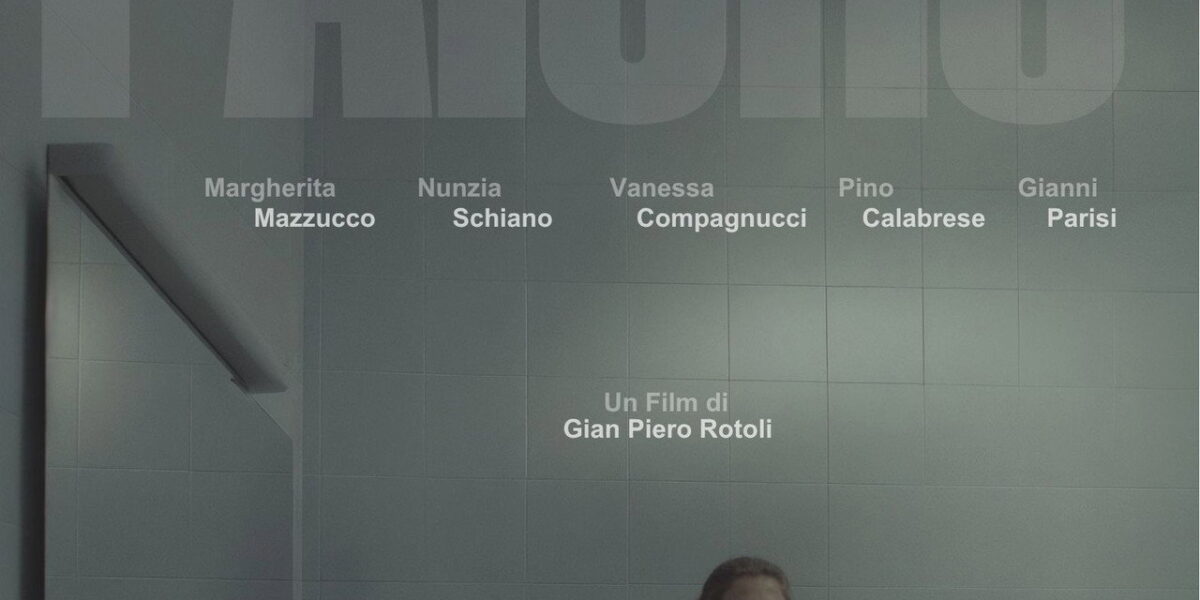
L’Alone: Honest Review — Is It Worth Watching? | 0.0/10
L’Alone is a deliberately opaque Italian character study that refuses to hold your hand, which is either its greatest asset or its most infuriating flaw depending on what mood you’re in when you press play. Director Gian Piero Rotoli has made something genuinely disquieting here, a film that sits uncomfortably in the gap between intimate drama and psychological puzzle box.
| Director | Gian Piero Rotoli |
| Cast | Margherita Mazzucco, Nunzia Schiano, Vanessa Compagnucci, Pino Calabrese, Gianni Parisi |
| Runtime | Information not available |
| Genre | Drama, Psychological |
| Year | 2026 |
The plot (no spoilers)
L’Alone doesn’t traffic in traditional narrative beats, which is the whole point and also its central problem. The film orbits around a woman navigating isolation in what feels like contemporary Naples, her interior life slowly unfurling through fractured conversations and long silences that accumulate like dust. Rotoli’s screenplay treats plot as a secondary concern, more interested in the texture of loneliness than in delivering dramatic payoff.
The movie settles into a kind of observational rhythm that demands patience, the kind where you’re watching not for what happens next but for what these characters reveal about themselves when they think no one’s paying attention. It’s moody, sometimes to the point of opacity, and you’ll spend considerable time in the dark trying to figure out who these people are and why you should care about their particular forms of suffering.
Acting & direction
Margherita Mazzucco carries the film with a performance that’s almost frustratingly subtle, never reaching for the easy emotional gesture and instead living entirely in tiny facial shifts and the weight of silence. Nunzia Schiano and Vanessa Compagnucci provide complex foils, each relationship revealing different facets of the central character’s inability to connect. The supporting cast—Pino Calabrese and Gianni Parisi among them—move through scenes like ghosts, underplaying to the point where you’re never quite sure what they’re thinking.
Rotoli’s directorial approach is deliberately austere, favoring static wide shots and natural light that makes everything feel observed rather than performed. The cinematography has this washed-out quality that mirrors the emotional landscape, and there’s no score to manipulate your feelings, just ambient sound and the texture of real spaces. The pacing is glacial, which some will read as contemplative and others as needlessly sluggish, but there’s no denying the formal control on display here.
The strengths
- The refusal to explain itself gives the film an authenticity that most mainstream dramas abandon after the first ten minutes.
- Mazzucco’s restrained performance creates a gravity that pulls the entire movie into its orbit, making her interiority feel like the only thing that matters.
- The visual language is genuinely distinctive, with Rotoli using negative space and composition to suggest emotional states that dialogue couldn’t reach anyway.
- The film trusts its audience to do interpretive work, which is rare enough in contemporary cinema to feel almost radical.
The weaknesses
- The opacity can tip into genuine incoherence, and there are stretches where you’re not sure if you’re witnessing profound ambiguity or just narrative indifference.
- The film’s deliberate slowness sometimes feels like it’s padding rather than deepening, scenes extending beyond what they need to communicate.
- The absence of clear stakes makes it difficult to invest in outcomes, which might be intentional but also limits emotional resonance.
- The ending doesn’t resolve so much as evaporate, which feels consistent with the film’s aesthetic but also unsatisfying in ways that linger afterwards.
Who should watch it
If you’re the kind of cinephile who gravitates toward slow cinema, toward directors like Chloé Zhao or Hong Sang-soo who understand that meaning lives in what isn’t said, then the film is absolutely essential viewing. This is for people who can sit with discomfort, who find beauty in austerity, and who don’t need their dramas wrapped up with neat resolutions. Avoid if you’re seeking entertainment in the conventional sense or if you require narrative momentum to stay engaged.
Final verdict
The film is a genuinely challenging piece of work that rewards attention without guaranteeing satisfaction, which is exactly the kind of cinema that divides audiences. Rotoli has made something honest and uncompromising, a film that could only exist at this exact moment in film history when audiences are splintering into people who want everything explained and people who want nothing spoonfed. It’s not perfect—the opacity occasionally becomes opacity for its own sake, and some viewers will rightfully feel manipulated by the withholding. But there’s intelligence here, real artistic vision, and a willingness to trust that cinema can communicate through absence and silence as powerfully as through words.
Scopri di più su IMDB.
FAQ
Is L’Alone worth watching in 2026?
Only if you have patience for slow cinema and character-driven narratives that prioritize mood over plot clarity. It’s challenging, deliberately oblique, and rewarding only for a specific type of viewer.
What is L’Alone about exactly?
A woman navigates isolation in contemporary Naples through fragmented conversations and prolonged silences. The film resists plot summary, focusing instead on emotional and psychological states that build gradually rather than dramatically.
Does the film have subtitles?
Yes, it’s an Italian production and will include subtitle options depending on your streaming platform or theatrical venue.
How does Margherita Mazzucco perform in L’Alone?
She delivers a remarkably restrained performance that operates entirely through micro-expressions and silence, never reaching for conventional emotional displays or manipulative acting beats.
Should I watch L’Alone before other Rotoli films?
This is Rotoli’s narrative feature, so viewing order doesn’t matter, though it helps to approach it without preconceptions about what Italian cinema should deliver.
TAGS: L’Alone, Italian cinema, slow drama, Margherita Mazzucco, indie film