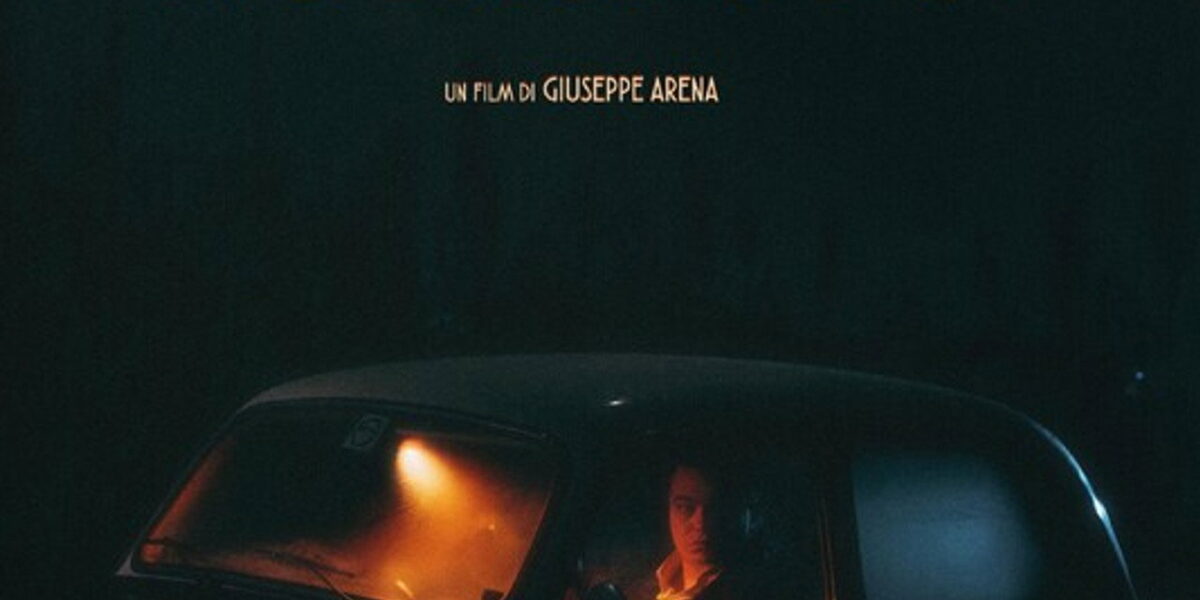
Marinella: Honest Review — Is It Worth Watching? | 0.0/10
Marinella is a brutal, unflinching 20-minute portrait of abandonment that refuses to look away—exactly what cinema should do when confronting uncomfortable truths about marginalized lives. Arena’s film doesn’t coddle you with sentimentality; it stares directly into the eyes of a system that chews up girls and spits them out, and that alone makes it worth your time.
| Director | Giuseppe Arena |
| Cast | Fernanda Pinto, Margherita Mazzucco, Giuseppe Arena, Giovanni Amura |
| Runtime | 20 min |
| Genre | Drama |
| Year | 2026 |
Marinella: The plot (no spoilers)
Set against the glittering backdrop of Milan’s economic boom, Marinella follows a 16-year-old Calabrian girl who flees her home chasing love and reinvention, only to find herself trapped in a cycle of exploitation and survival. What begins as a romantic escape hardens into desperation as she discovers that dreams don’t feed you and hope doesn’t pay rent in a city that sees her as disposable. The film traces her descent into prostitution not as titillation but as testimony—a necessary, uncomfortable chronicle of how systems fail children.
The movie operates in the margins of Italian cinema’s golden age mythology, stripping away the romance to show the bones of what actually happened to countless girls during that era. Arena isn’t interested in melodrama or redemption arcs that feel cheap—instead, the film maintains a documentary-like coldness, letting the weight of circumstance speak for itself. You walk in expecting pathos and you get something far more demanding: witness.
Acting & direction
Fernanda Pinto carries the film with a performance of extraordinary restraint, conveying catastrophe through minimal gestures and empty stares that register the slow death of possibility. Margherita Mazzucco appears in scenes that crackle with tension, and the supporting work from Giovanni Amura and director Giuseppe Arena himself creates a lived-in texture to the margins where Marinella exists. The cast never reaches for emotional outbursts; instead, they inhabit these roles with the deadened professionalism of people who have stopped expecting better.
Arena’s direction is deliberately stripped of flourish—the cinematography captures Milan’s industrial architecture and neon-lit streets with an almost ethnographic precision, treating the city as both character and culprit. The pacing never rushes; the 20-minute runtime feels stretched, which is exactly the point—we experience time the way Marinella does, as something heavy and inescapable. The score remains minimal, letting the ambient sound of the city and the breath of the actors fill the void where conventional emotional manipulation might live.
The strengths
- The refusal to sentimentalize or look away from systemic cruelty marks this as an act of moral courage disguised as restraint.
- Pinto’s performance operates on a frequency so low you almost miss the devastation until it’s already settled into your bones, and that’s masterful work.
- The film treats its subject matter—sex work, abandonment, class collapse—with dignity precisely by refusing dignity narratives, insisting instead on bare facts and bare bodies moving through an indifferent world.
The weaknesses
- At 20 minutes, the film borders on sketch-like at moments, and you occasionally hunger for more breathing room to understand the psychological architecture of Marinella’s choices beyond the obvious material desperation.
- The third act feels slightly rushed, as though Arena needed another five minutes to deepen the philosophical weight of the ending rather than simply stating it as fact.
Who should watch it
This film demands viewers hungry for social realism who don’t need their conscience eased by false hope—cinephiles who loved Gomorrah, neorealist Italian work, or contemporary cinema that treats marginalized women as subjects rather than symbols. If you came for awards-bait tearfulness, move on; if you came for uncompromising documentation of how capitalism eats children, settle in and prepare to be uncomfortable.
Final verdict
Marinella is a necessary film that refuses the comfortable language of victimhood while ensuring we never forget Marinella herself—her name becomes an incantation against forgetting. It’s not perfect; the brevity occasionally works against deeper character excavation, and the ending tilts toward statement over earned impact. But Arena has made something genuinely vital here: a short film that functions as indictment, memorial, and rebellion rolled into 20 minutes of cinema that sticks to your ribs like a bad meal you can’t digest.
FAQ
Is Marinella based on a true story?
The film appears to be inspired by real historical conditions of Calabrian migrants in 1950s Milan rather than a specific biographical case, using Marinella as an archetype for countless documented lives.
What is the runtime and is it worth the time commitment?
At 20 minutes, it’s a short that respects your time while delivering feature-level moral weight; yes, absolutely worth watching in one sitting.
How graphic is the content regarding prostitution?
Arena avoids exploitation; the film suggests violence and sex work through editing and implication rather than explicit imagery, maintaining dignity while refusing to soften the reality.
Where can I stream Marinella?
Check IMDB for current availability, as distribution for recent European shorts varies by region and festival circulation.
Is this a depressing film?
Yes, intentionally so—but depression here serves a purpose: to bear witness to structural cruelty and insist on remembrance rather than to manipulate your emotions.