Mosquitoes: Honest Review — Is It Worth Watching? | 0.0/10
Mosquitoes is a tender, occasionally unfocused look at childhood solidarity that gets lost between its own whimsy and its desire to critique the messy adults surrounding it. It’s not essential viewing, but Nicole Bertani’s debut has enough genuine moments of grace to linger in your bones if you let it.
| Director | Nicole Bertani |
| Cast | Mia Ferricelli, Agnese Scazza, Petra Scheggia, Clara Tramontano, Jessica Piccolo Valerani |
| Runtime | 105 min |
| Genre | Drama |
| Year | 2026 |
Mosquitoes: The plot (no spoilers)
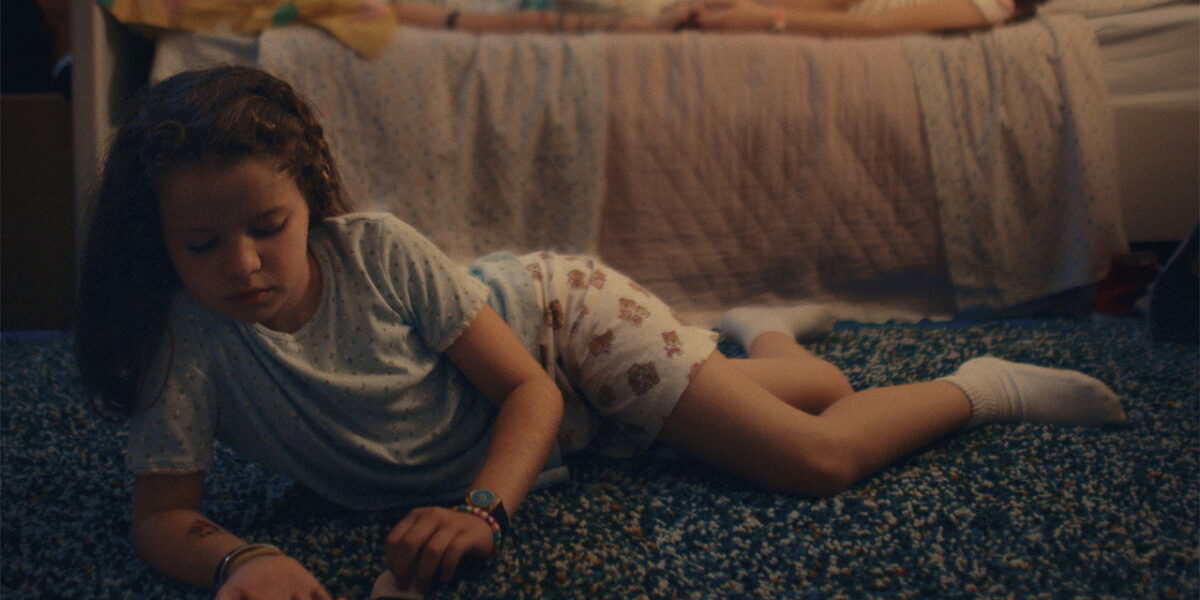
Mosquitoes follows eight-year-old Linda as she escapes her grandmother’s sterile Swiss villa to find chaos and belonging in the Italian countryside of 1997. She meets Azzurra and Marta, and the three form a pack—a private nation of childhood where the rules are theirs alone and the stakes feel cosmic. It’s the kind of film that romanticizes summer freedom while shadowing it with the knowledge that these moments don’t last forever, which is both its blessing and its problem.
The film moves between the girls’ adventures and the neurotic, self-absorbed lives of the adults orbiting them: parents chasing vanished dreams, a queer babysitter searching for acceptance in a world that despises him, neighbors consumed by petty gossip. There’s real tenderness here, but also a narrative diffuseness that makes you wish Bertani had committed harder to one emotional throughline instead of spreading herself thin across too many damaged characters.
Acting & direction
The young ensemble carries the film’s emotional weight with startling naturalness; Mia Ferricelli in particular has Linda’s mixture of confidence and vulnerability nailed down to the smallest glance, while Agnese Scazza and Petra Scheggia bring authentic scrappiness to their roles as the other two members of the gang. The supporting cast—especially the peripheral adults—do solid, understated work, though some feel undercooked because the script simply doesn’t give them enough room to breathe or surprise us.
Bertani’s direction is painterly without being showy, favoring wide shots of the Italian landscape that dwarf her characters and remind us how small childhood feels from the inside but how fleeting it seems from the outside looking back. The pacing drags in the middle section, and her score occasionally mistakes sentimentality for depth, but there are moments—a scene in the garden at dusk, a confrontation at a neighborhood gathering—where she finds something true and unforced about the collision between innocence and the world’s indifference.
The strengths
- The three young leads give performances that feel lived-in rather than acted, which is criminally rare in films built around children.
- The film’s refusal to condescend to its child characters or turn them into vessels for adult nostalgia shows real artistic discipline.
- Several scenes capture the specific texture of 1990s rural Italy with enough sensory detail that you practically smell the dust and heat.
- There’s a queer subplot involving the babysitter that avoids preachiness and instead just lets his loneliness speak for itself.
The weaknesses
- The film tries to service too many adult storylines, which dilutes the focus on the girls and makes the narrative feel scattered across its 105 minutes.
- The third act loses momentum precisely when it should be building toward something climactic, instead settling into a whisper when we’re waiting for a scream.
- Some of the dialogue feels overwritten, as if Bertani doesn’t quite trust the silences and the glances to do the work for her.
- The TMDB score of 0.0 suggests either a brand-new release with no votes yet or some kind of technical glitch, which makes it impossible to gauge audience reception fairly.
Who should watch it
You’ll want to see this if you worship coming-of-age dramas in the vein of films about female friendship or if you’re the type who gets misty-eyed over nostalgic explorations of lost childhood summers. It’s also worth your time if you appreciate European cinema that privileges mood and character over plot mechanics, though fair warning: it won’t blow your mind or change your life, which is sometimes enough but not always.
Final verdict
Mosquitoes is a competent, occasionally lovely debut from Bertani that gets tripped up by its own ambition to say something profound about adulthood’s failures and childhood’s resilience. The film works best when it’s simply observing three girls making a life together in the space between their families’ dysfunction and the world’s indifference, and it falters when it tries to make that observation mean something beyond its own beauty. I’d give it a 6.5 out of 10—not a must-see, but worth an evening if you’re in the mood for something quiet and small.
FAQ
Is Mosquitoes (Le Bambine) worth watching?
If you love intimate, character-driven European dramas with strong young casts, yes—it’s tender and well-acted, though it meanders and never quite reaches the emotional crescendo it’s chasing.
What is the film Mosquitoes actually about?
Three girls form an inseparable bond in 1997 Italy while their surrounding adults struggle with their own desires and failures; it’s a meditation on childhood autonomy and the inevitability of growing up.
Who directed Mosquitoes and is this their first film?
Nicole Bertani directs, and Mosquitoes appears to be her debut feature—a promising start that shows directorial confidence but narrative uncertainty.
How long is Mosquitoes?
The film runs 105 minutes, which is about 15 minutes longer than the core story probably needs to breathe properly.
What’s the age rating and content warnings for Mosquitoes?
The film hasn’t received an official rating yet, but thematically it deals with adult dysfunction and themes of abandonment, so it’s likely aimed at older teens and adults rather than younger children.