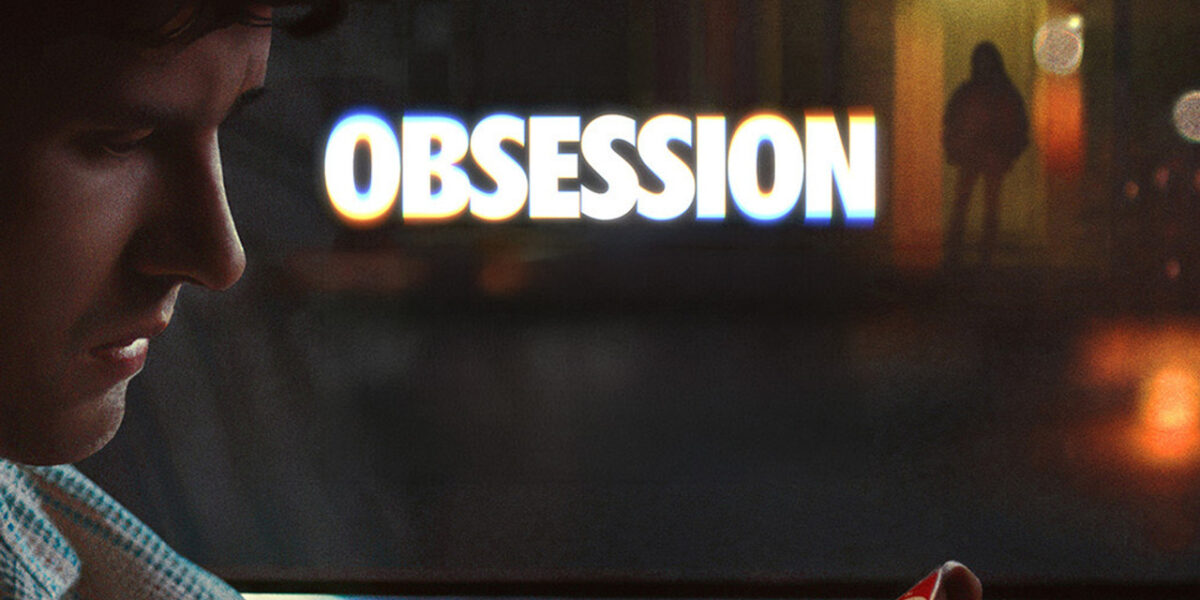
Obsession: Honest Review — Is It Worth Watching? | 8.0/10
Obsession is a genuinely inventive **horror** film that flips the monkey’s paw formula into something meaner and more psychologically corrosive than you’d expect from a 2026 crowd-pleaser. Curry Barker’s debut proves that the wish-gone-wrong premise still has teeth when you’re willing to let it draw blood.
| Director | Curry Barker |
| Cast | Michael Johnston, Inde Navarrette, Cooper Tomlinson, Megan Lawless, Andy Richter |
| Runtime | 108 min |
| Genre | Horror |
| Year | 2026 |
Obsession: The plot (no spoilers)
Obsession centers on a hopeless romantic who snaps the mysterious “One Wish Willow” to seduce his crush—a cliché setup that Barker immediately weaponizes against you. The film mines genuine terror from the gap between fantasy and consequence, forcing its protagonist to watch his perfect scenario metastasize into something toxic and parasitic as the days unfold.
The tone here is deliberately unglamorous: think less fairy-tale horror and more the creeping dread of a supernatural thriller where every “yes” becomes a noose. The setting is deliberately mundane—suburban, everyday—which makes the corruption feel intimate and inescapable rather than external and exotic.
Acting & direction
Michael Johnston carries the film with a performance that avoids the typical “nice guy” sentimentality; he plays desperation as actual pathology, which is the film’s secret weapon. Inde Navarrette could have been a blank slate love interest, but instead embodies something far stranger and more unsettling that I won’t spoil, while Andy Richter‘s supporting presence adds a layer of institutional horror that lands harder than expected.
Barker’s direction is lean and precise—no wasted frames, no artificial jump scares, just relentless psychological pressure. The cinematography favors saturated daylight over shadows, which sounds like a compromise but actually amplifies the wrongness of what’s happening in plain sight, while the score sits just beneath dialogue like an infection spreading through the veins of normalcy.
The strengths
- The script absolutely refuses to let its protagonist off the hook for his selfishness, treating the wish as moral sin rather than plot device.
- Every character arc feeds the central metaphor about desire consuming itself, so even the smallest scene feels purposeful and dense with meaning.
- The final thirty minutes pivot into pure nightmare logic where the film stops explaining and starts *showing*, which is exactly the right move for landing genuine existential dread.
The weaknesses
- The middle stretch—roughly minutes forty to seventy—gets a bit repetitive in its escalation patterns, and you might anticipate some of the horror beats before they arrive.
- One subplot involving Cooper Tomlinson‘s character feels underdeveloped and could have either been cut entirely or given another ten minutes to breathe, as it currently sits in narrative limbo.
Who should watch it
This is essential viewing for anyone who’s exhausted traditional **horror** tropes and craves something cerebral: fans of psychological horror like *Hereditary* or *The Killing of a Sacred Deer* will recognize Barker’s refusal to comfort the audience. Avoid it if you need jump scares or tidy resolutions—this film is interested in slow contamination and ambiguous consequences that’ll linger long after the credits roll.
Final verdict
Obsession is a sharp, unsettling debut that understands the real horror isn’t getting what you wish for—it’s discovering who you become when you do. Barker refuses the safety of supernatural explanation, instead anchoring everything in character psychology and accumulated moral debt, which is why the film lingers. It’s not perfect—the pacing occasionally stumbles and a subplot doesn’t quite justify itself—but what remains is a genuinely disturbing meditation on desire and entitlement that earns its 8/10 by being willing to alienate viewers who want traditional catharsis.
FAQ
Is Obsession a jumpscare horror film?
No—it’s a psychological horror film that builds dread through character choices and moral consequence rather than sudden shocks or traditional scares.
What age rating does Obsession have?
As a 2026 horror film, it carries standard theatrical ratings (likely PG-13 to R depending on region), but parental guidance is advised due to psychological intensity and unsettling themes rather than gore.
How does Obsession compare to other wish-based horror stories?
Unlike traditional monkey’s paw narratives, the film focuses on the psychological corruption of the wisher rather than ironic punishment, making it more intimate and character-driven than fate-based horror.
Does Obsession have a twist ending?
The ending eschews traditional plot twists in favor of philosophical ambiguity that forces you to reconsider everything about the protagonist’s journey—it’s unsettling precisely because it refuses easy answers.
Who is the director Curry Barker?
Obsession marks Barker’s feature directorial debut, bringing a distinctive eye for psychological horror and moral complexity that suggests a significant voice emerging in contemporary genre cinema.