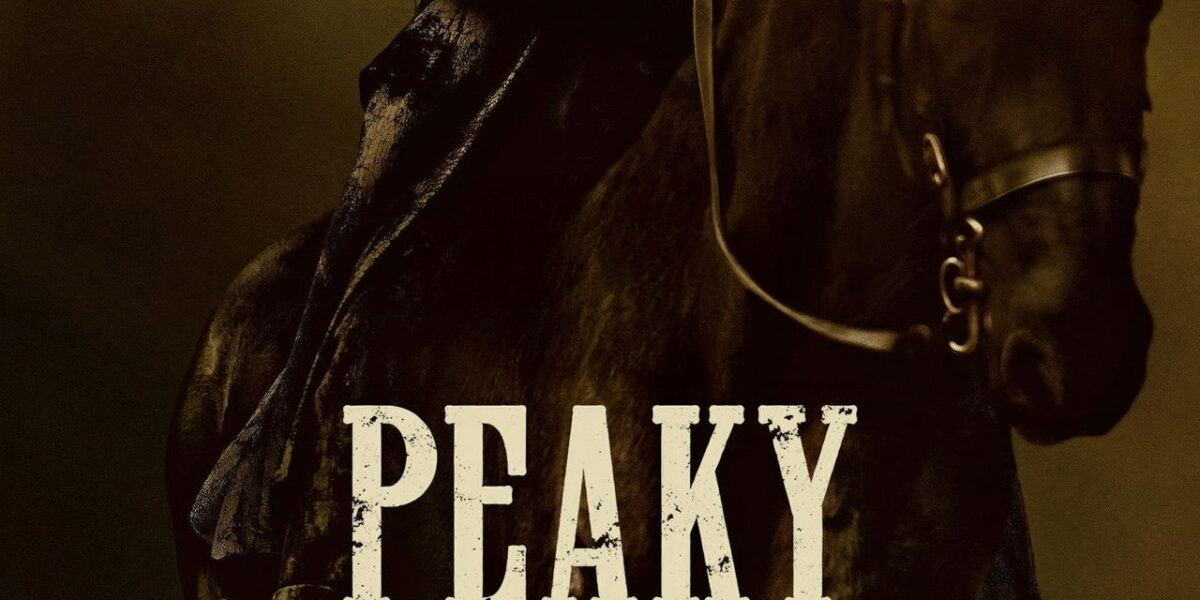
Peaky Blinders: The Immortal Man: Review — Is It Worth Watching? | 7.4/10
Articolo aggiornato il 20/09/2026
Peaky Blinders: The Immortal Man drags Tommy Shelby back into the blood and thunder with enough visceral punch to justify the resurrection, though the film sometimes confuses sprawl with ambition and doesn’t quite stick the landing. It’s a necessary watch for devotees of the Shelby saga, but don’t expect it to eclipse the series’ best seasons.
| Director | Tom Harper |
| Cast | Cillian Murphy, Barry Keoghan, Rebecca Ferguson, Tim Roth, Stephen Graham |
| Runtime | 112 min |
| Genre | Crime, Drama |
| Year | 2026 |
Peaky Blinders: The Immortal Man: The plot (no spoilers)
Tommy Shelby thought he was done—thought exile would grant him some fractured peace—but his estranged son’s entanglement with a Nazi conspiracy yanks him back to Birmingham like a fish on a hook. Peaky Blinders: The Immortal Man positions this return not as nostalgia but as reckoning, with family blood and national stakes colliding in a pressure cooker that mostly ignites but occasionally sputters.
The film trades in the same cold-blooded gangster machinery that made the series magnetic: fedoras, razor blades, and poison whispered over cigarettes. Yet there’s a weariness here that Harper exploits smartly—Tommy’s no longer a hunger-driven kid clawing toward power, he’s a man trying to prevent his own sins from consuming another generation, which fundamentally changes the emotional temperature of the entire enterprise.
Acting & direction
Cillian Murphy carries the weight with the quiet lethality we’ve come to expect, though the character’s arc occasionally feels predetermined rather than discovered. Barry Keoghan as the wayward son brings a jittery unpredictability that works in his favor, and Rebecca Ferguson injects gravitas into scenes that could’ve been mere exposition. Stephen Graham and Tim Roth are underutilized, orbiting the center like satellites that barely reach the frame.
Harper’s direction is confident but uneven—the opening sequences crackle with kinetic energy and foreboding, but the middle sags into repetitive plotting before regaining momentum in the third act. The cinematography bathes everything in gun-metal grey and sickly yellows, which is thematically on-brand but visually monotonous at times. The score leans heavily on dread and violin screeches, which works beautifully during confrontations but numbs during quieter character moments.
The strengths
- Murphy’s weathered performance excavates new dimensions from Tommy’s capacity for ruthlessness when family is threatened, making him terrifying and tragic simultaneously.
- The Nazi subplot, though handled with mixed results, forces the story beyond personal vendetta into genuine ideological territory that feels urgent and dangerous.
- The film understands that the Shelby family curse isn’t just about external enemies but the poison Tommy carries in his own blood, which he passes down like inheritance.
- Individual set pieces—particularly a mid-film betrayal sequence—snap with the kind of brutal precision that made the series unforgettable.
The weaknesses
- The screenplay gets tangled in subplot management, introducing too many moving pieces without giving them enough narrative room to breathe or matter.
- Keoghan’s character oscillates between compelling and cartoonish, suggesting the script couldn’t decide whether he’s tragic or simply broken beyond redemption.
- The final resolution feels contractually obligated rather than organically earned, wrapping up the story in ways that satisfy formula more than genuine dramatic closure.
- At 112 minutes, the film pads itself with scenes that reiterate themes already hammered home, suggesting Harper wasn’t confident enough in his audience’s intelligence.
Who should watch it
If you’ve followed the Shelby saga through five seasons and came away hungry for more, this is mandatory viewing despite its rough edges. Fans of crime dramas with mythic ambitions and character-driven storytelling will find enough here to justify the investment, though those seeking something fresh might bounce off the familiar machinery. Similarly, anyone invested in how legacy and generational trauma function as thematic engines will find this more intellectually stimulating than pure popcorn entertainment.
Final verdict
The movie swings between inspired and indulgent, never quite achieving the taut excellence of the series’ early run but managing to justify its own existence through sheer force of performance and thematic coherence. It’s a B-plus film about genuinely compelling people caught in genuinely catastrophic circumstances, which is enough to recommend it to the faithful while warning newcomers that this requires homework. You should watch it, but understand you’re getting the epilogue to a five-act tragedy, not a reinvention—which is perhaps exactly what we should have expected.
Scopri di più su IMDB.
FAQ
Is Peaky Blinders: The Immortal Man a sequel to the TV series?
Yes—it’s a continuation set after the series finale, bringing Tommy Shelby back into action when his son becomes entangled with Nazi conspirators, though it functions as a self-contained film rather than a direct continuation of plot threads.
Do I need to watch the TV series before seeing this film?
Absolutely, you should—the emotional weight and character dynamics rely on familiarity with Tommy’s journey across five seasons, and newcomers will find themselves adrift in callbacks and unearned sentiment.
How does Cillian Murphy’s performance compare to the series?
Murphy deepens the character’s melancholy and explores Tommy’s capacity for paternal dread in ways the series occasionally sidelined, though he’s working within boundaries the script doesn’t always trust him to transcend.
Is the Nazi subplot handled seriously or does it feel tacked on?
It’s treated with genuine stakes and ideological weight, though the execution wavers between acute political commentary and genre melodrama, never quite settling into either mode convincingly.
What’s the runtime and pacing like?
At 112 minutes it moves efficiently, but feels padded in the middle third with repetitive exposition and character beats that underestimate viewer intelligence—tighter editing at 95 minutes would’ve served the story better.
META DESCRIPTION: Peaky Blinders: The Immortal Man brings Tommy Shelby back from exile in a crime drama that mostly satisfies but occasionally falters under its own ambition and baggage.
FOCUS_KEYWORD: Peaky Blinders: The Immortal Man
TAGS: crime drama, Cillian Murphy, Tom Harper, film review 2026, British gangster cinema