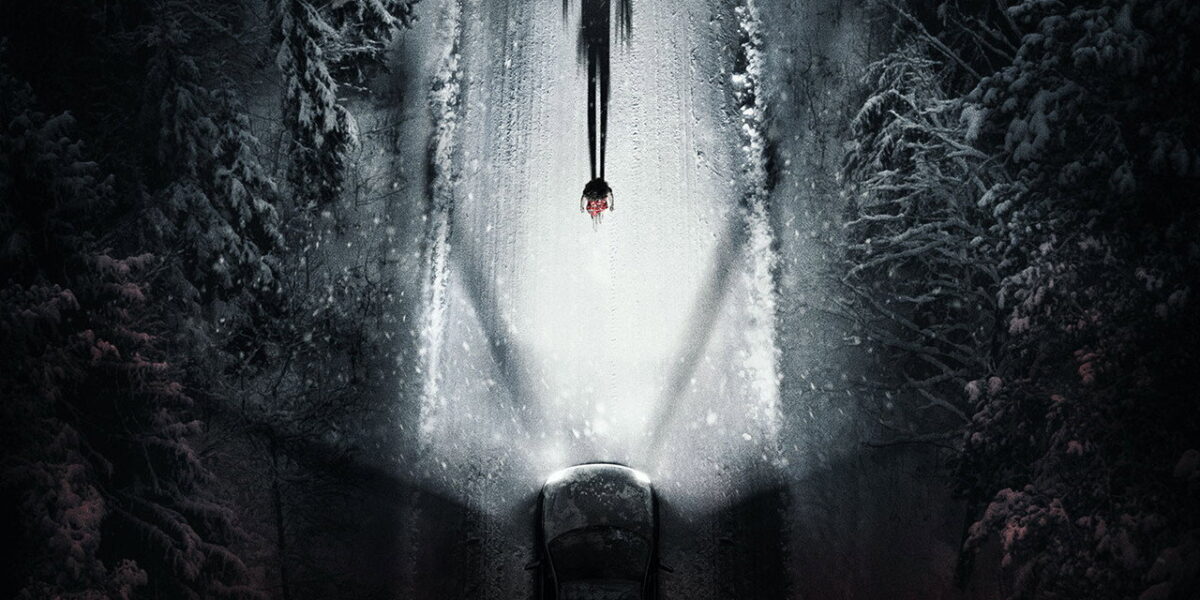
Resident Evil: Honest Review — Is It Worth Watching? | 8.3/10
Resident Evil is a lean, punishing survival machine that strips away franchise bloat and delivers genuine dread in 90 minutes flat. If you want smart, economical horror that actually respects your intelligence, this thing absolutely deserves your time.
| Director | Zach Cregger |
| Cast | Austin Abrams, Zach Cherry, Kali Reis, Paul Walter Hauser, Johnno Wilson |
| Runtime | 90 min |
| Genre | Horror, Thriller, Science Fiction |
| Year | 2026 |
The plot (no spoilers)
Resident Evil follows Bryan, a medical courier who stumbles into what feels like an ordinary night before it transforms into an absolute nightmare of escalating chaos and survival instinct. There’s no mystique about what’s happening here—the film doesn’t waste time on exposition dumps or franchise mythology that nobody asked for, instead throwing you straight into the grinding machinery of pure, primal terror.
The movie operates as a one-night stand where everything goes sideways, and you’re watching someone utterly unprepared get crushed under circumstances beyond comprehension. Cregger’s direction keeps the screws tightening relentlessly, never letting the tension breathe long enough for you to feel comfortable, which is precisely the point of horror that actually works.
Acting & direction
Austin Abrams carries this film on his shoulders with an authenticity that never tips into melodrama—he’s a regular guy whose panic feels earned rather than performed, and watching him deteriorate across ninety minutes is genuinely unsettling. Zach Cherry, Paul Walter Hauser, and Kali Reis all nail those crucial supporting moments that ground the surreal horror in recognizable human dynamics.
Cregger’s directorial touch here is surgical and restrained, which sounds boring but actually represents mature filmmaking in a genre that often mistakes chaotic editing for intensity. The cinematography trusts shadows and suggestion over jump scares, the pacing never drags, and the sound design creates this claustrophobic cocoon that makes your skin crawl without resorting to cheap tricks.
The strengths
- The film understands that real horror comes from helplessness and ordinary people in extraordinary circumstances, not from monsters that you can shoot or understand.
- Ninety minutes is the perfect runtime for this story—it punches hard and leaves before outstaying its welcome or diluting the nightmare into franchise sequel setup.
- The screenplay strips away video game fan service and instead builds a locked-room psychological pressure cooker that feels fresh despite carrying a familiar name.
- Cregger demonstrates control over atmosphere and pacing that many established horror directors couldn’t achieve with triple the runtime.
The weaknesses
- The final act’s philosophical questions about what’s happening feel slightly underbaked, as if the film wants to say something deeper about human nature but doesn’t quite commit hard enough to the exploration.
- Some viewers will absolutely despise that this bears the Resident Evil name while ignoring the lore entirely, though I’d argue that’s a feature rather than a bug.
Who should watch it
If you’re exhausted by horror franchises that exist only to perpetuate themselves, or if you’ve fallen in love with elevated horror like Hereditary or The Lighthouse, then this film speaks your language entirely. You need to be someone who values dread over spectacle, and who can sit with prolonged discomfort rather than needing monsters that follow narrative rules you can predict.
Final verdict
Resident Evil is a masterclass in restraint that feels radical in an era where horror defaults to franchise bloat and spectacle. Cregger takes a name that carries decades of baggage and forges something lean, vicious, and genuinely unsettling—a film that trusts its audience to handle sustained tension without needing reassurance or explanation. This is 2026’s most successfully terrifying theatrical experience, and it deserves way more attention than it’ll probably receive because it refuses to market itself through nostalgia or fan service.
FAQ
Is Resident Evil (2026) connected to the video game franchise?
No—Cregger’s film completely ignores the game canon and creates its own standalone horror scenario using only the title and basic premise of bioweapon chaos.
Is Resident Evil scary or just tense?
It’s genuinely scary, but through sustained psychological dread rather than jump scares—the horror comes from watching an ordinary person trapped in an escalating nightmare.
What’s the runtime and pacing like?
Ninety tight minutes with zero filler—Cregger maintains pressure throughout and refuses to let scenes breathe, which is intentional and exhausting in the best way possible.
Should I watch this if I haven’t seen the other Resident Evil movies?
Yes, absolutely—this requires zero prior knowledge and works completely independently from every other adaptation of the franchise.
Does Resident Evil have jump scares or practical gore?
The violence is economical and visceral rather than gratuitous, and true scares come from suspense and atmosphere rather than cheap audio cues or sudden cuts.
Read more on IMDB or explore the Resident Evil franchise history on Wikipedia.