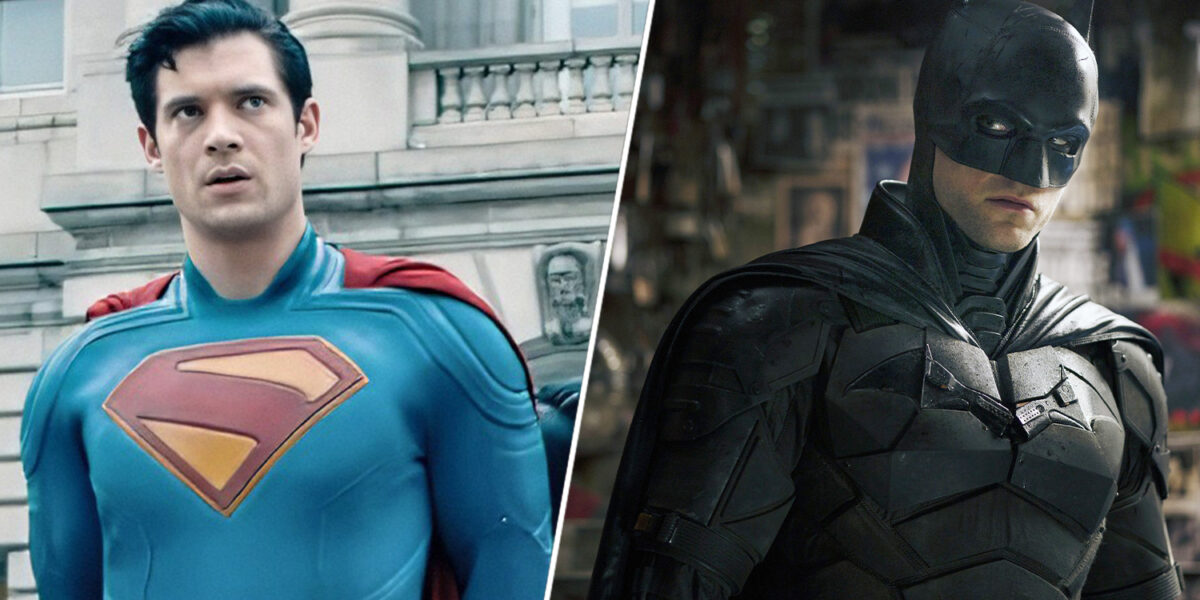
Robert Pattinson Says Matt Reeves’ The Batman Would Be “Tough” To Integrate Into James Gunn’s DCU
Actor Robert Pattinson recently discussed the challenges of merging his Batman character with James Gunn’s newly structured DC Universe. The star admitted that integrating Matt Reeves’ noir-inspired Dark Knight into the broader DCU framework presents significant creative obstacles for the franchise moving forward.
The Details
Robert Pattinson’s candid remarks about The Batman DCU integration reveal the complexities underlying DC’s current restructuring. In an interview, the actor acknowledged that fitting his grounded, detective-focused version of Bruce Wayne into James Gunn’s interconnected universe would prove “kind of tough.” This statement underscores the fundamental tonal differences between Reeves’ atmospheric approach and the broader DCU’s evolving vision.
Matt Reeves established a distinctly noir aesthetic for The Batman films, emphasizing psychological depth and detective work over superhero spectacle. Pattinson’s portrayal drew critical acclaim for its introspective nature and vulnerability. However, the DCU under Gunn’s leadership appears headed toward a more ensemble-focused approach, requiring characters to interact across multiple projects and maintain narrative consistency.
The challenge isn’t merely creative but logistical. The Batman operates on a different timeline and narrative continuity than other DC properties. Merging these worlds would require significant rewrites, character adjustments, and collaborative decision-making between Reeves and Gunn’s teams. Such crossovers demand compromise from both parties.
Pattinson’s honesty suggests he values the autonomy and creative direction Reeves has established. Forcing The Batman into the DCU framework might dilute the elements that made the character study so compelling. This tension between standalone storytelling and shared universe building remains central to modern franchise management.
What This Means for Cinema
Pattinson’s The Batman DCU statement signals broader industry tensions regarding creative integrity versus commercial synergy. Studios increasingly pressure filmmakers to create interconnected content, yet audiences increasingly appreciate standalone works that prioritize story over continuity mechanics. This dynamic challenges traditional franchise strategies.
The discussion reflects a larger shift in superhero filmmaking philosophy. After Marvel’s massive success with interconnected storytelling, competitors rushed to replicate that model. However, fatigue with convoluted narratives has prompted reconsideration. DC’s willingness to maintain separate continuities might represent a more sustainable approach.
For audiences, this means potentially enjoying distinct Batman interpretations without worrying about contradictions. For studios, it means accepting that not every character must inhabit the same universe. Pattinson’s remarks validate a creative philosophy that prioritizes artistic vision over mandatory integration.
What We Know So Far
- Robert Pattinson plays Bruce Wayne in Matt Reeves’ noir-inspired The Batman films, which have received critical acclaim
- James Gunn now oversees DC’s film strategy and has indicated a more cohesive universe approach going forward
- The Batman operates independently from other DC projects, maintaining its own continuity and tonal consistency
- No immediate plans exist for Batman to appear in upcoming Superman or other DCU films
- Pattinson has confirmed his commitment to continuing The Batman franchise under Reeves’ direction
What’s Still Unknown
- Whether James Gunn and DC leadership will eventually attempt merging The Batman into the larger DCU canon
- How long DC will maintain multiple Batman continuities and whether this represents permanent strategy or temporary approach
- Whether future crossovers might occur through creative workarounds or alternate dimension explanations
- Matt Reeves’ official stance on integrating The Batman DCU storyline into Gunn’s broader vision
Industry Context
The discussion surrounding The Batman DCU integration reflects Hollywood’s ongoing debate about franchise architecture. Marvel Studios built unprecedented success through meticulous interconnected storytelling, yet DC’s more fragmented approach may prove equally viable. Different characters and stories benefit from different universes.
Batman particularly benefits from standalone treatment. The character’s psychological complexity and detective-oriented narratives work best in focused, contained stories rather than spectacle-driven team-ups. Pattinson’s comments implicitly acknowledge this fundamental truth about the character’s narrative requirements.
Moving forward, DC might embrace a portfolio approach: maintaining flagship solo franchises like The Batman while building a separate interconnected universe for other properties. This strategy maximizes creative freedom while still capitalizing on shared universe appeal where it genuinely benefits storytelling.
Looking Ahead
Robert Pattinson’s recent statements to Deadline suggest The Batman will likely remain separate from the mainstream DCU. Matt Reeves continues developing sequels that honor the character’s noir roots. James Gunn’s DCU will progress independently, focusing on Superman, Wonder Woman, and other properties.
This separation might ultimately prove beneficial for all parties. Audiences gain distinct, quality-focused Batman stories. The DCU can develop its own identity without tonal compromise. Pattinson and Reeves maintain creative autonomy. Sometimes, keeping franchises separate creates better cinema than forcing artificial unity.
The Batman franchise continues evolution under Reeves’ direction, with sequels in development. Meanwhile, James Gunn’s vision for DC cinema unfolds through separate projects. The industry will likely watch this experiment closely as other studios evaluate their own franchise strategies.