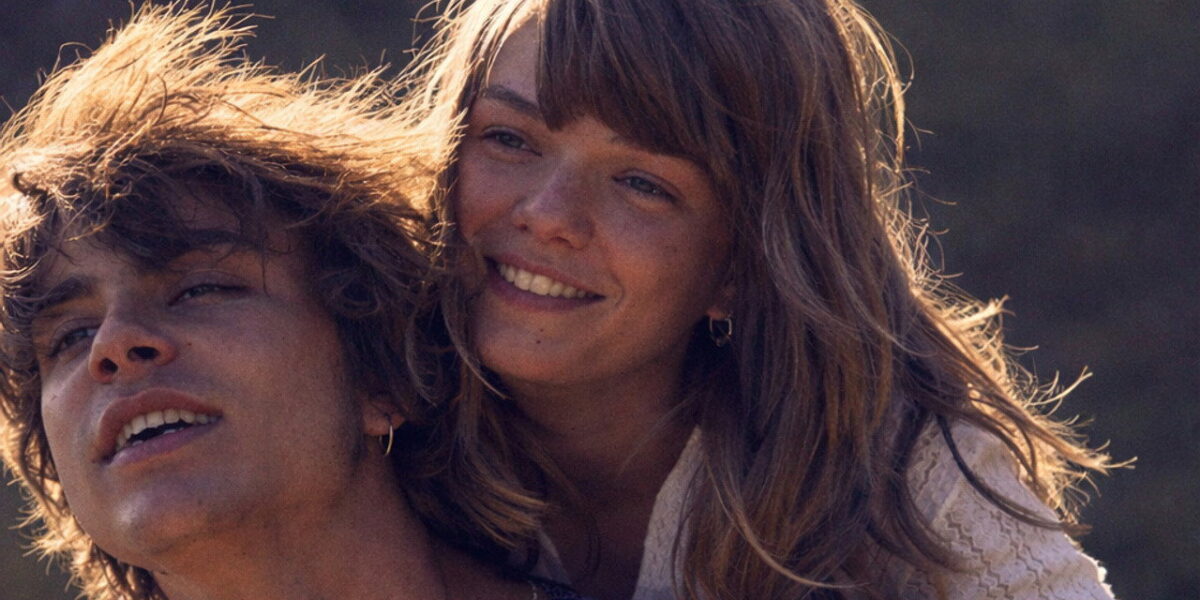
Romería: Honest Review — Is It Worth Watching? | 6.5/10
Romería is a quiet, introspective meditation on family blood and documentary truth that gets lost somewhere between administrative logistics and genuine emotional excavation. Carla Simón has made something technically competent but frustratingly restrained, like watching someone unlock a door and then barely peek inside.
| Director | Carla Simón |
| Cast | Llúcia Garcia, Mitch, Tristán Ulloa, Celine Tyll, León Romagosa |
| Runtime | 112 minutes |
| Genre | Drama |
| Year | 2025 |
Romería: The plot (no spoilers)
Marina arrives at bureaucratic doorsteps clutching her mother’s diary, hunting for the paperwork needed to push forward with her university dreams, but what begins as a mundane documentary chase becomes something deeper and messier when biological family emerges from the Atlantic coast like ghosts made flesh. The setup is beautifully ironic—administrative necessity as the hook that snags genuine revelation—and Romería doesn’t waste that conceptual gift.
What the film does with that premise, however, is another story altogether. The tone settles into something deliberately measured, almost anthropological, as if Simón is documenting a family reunion rather than dramatizing one with any real heat. The pacing suggests restraint is artistic virtue here, but it often feels like caution masquerading as sophistication, and the Atlantic setting becomes backdrop rather than character, despite being gorgeously lit.
Acting & direction
Llúcia Garcia carries the film as Marina with an impressive blend of emotional containment and barely-suppressed vulnerability, her face a map of contradictions as biological strangers become suddenly real. Tristán Ulloa brings a weathered warmth to his role that suggests untold complexity, while Celine Tyll operates with the controlled precision of someone holding family secrets close. The ensemble works without sparkle, which is exactly what Simón appears to want.
Simón’s directorial hand is steady but frustratingly cool—she photographs faces and landscapes with painterly care, lets silences hang like humidity, and refuses easy emotional crescendos even when the material begs for them. The score stays minimal and the editing patient, which creates an undeniable mood but occasionally feels like watching someone solve a puzzle in slow motion when we’re already three steps ahead of them.
The strengths
- The central conceit is genuinely clever: how bureaucratic necessity becomes emotional archaeology, transforming paperwork into existential proof.
- The cinematography captures the Atlantic coast with such textural richness that the landscape feels like a living witness to family history rather than mere scenery.
- Llúcia Garcia‘s performance anchors the film with such understated intensity that you feel Marina’s internal collision of hope and terror without a single melodramatic gesture.
- The film respects its audience enough to leave contradictions unresolved, letting family dysfunction breathe instead of neatly explaining it away.
The weaknesses
- For a film about revelation and secrets, the drama feels oddly muffled, as if Simón is afraid to let her characters genuinely combust or confess with any real urgency or pain.
- The 112-minute runtime stretches scenes that could pack more power if trimmed; there’s real estate here wasted on repetitive beats and conversations that circle without progressing.
- The supporting characters remain sketches rather than fully-realized people, which robs the family dynamics of genuine stakes and makes their conflicts feel more performative than lived.
- The film’s restraint, which could be elegant, sometimes reads as emotional evasion, as if Simón doesn’t trust the weight of her own material enough to let it fully land.
Who should watch it
Romería is for patients of slow cinema who loved Simón’s earlier Summer 1993, those who appreciate intimate **family dramas** over plot mechanics, and viewers willing to mine quiet moments for emotional resonance. If you’re chasing catharsis or conventional narrative satisfaction, look elsewhere, but if you’re the type who rewatches Claire Denis or hangs in the contemplative spaces of Céline Sciamma, this restrained Atlantic meditation will speak your language in whispers.
Final verdict
Romería arrives with genuine substance—the kind of film about family blood, documentation, and the search for official proof of belonging that could matter enormously to the right person. But Carla Simón’s execution feels overcautious, treating emotional dynamite as if it were fragile china that might break under scrutiny, and the result is a film that’s technically accomplished and thematically rich but emotionally distant in ways that undermine its own questions. It’s worth watching if you’re patient, but it could’ve been essential if it were brave.
FAQ
What is Romería about?
A young woman named Marina uses her mother’s diary to search for university documents and unexpectedly discovers her biological family living on Spain’s Atlantic coast, unraveling long-buried family secrets in the process.
Who directed Romería?
Carla Simón directed the film; she’s known for her earlier work Summer 1993, which also explored memory and family dynamics with similar aesthetic restraint.
Is Romería worth watching?
Yes, if you appreciate slow, introspective dramas with strong performances and painterly cinematography; no, if you need conventional narrative momentum or emotional catharsis without ambiguity.
How long is Romería?
The film runs 112 minutes, though certain scenes could’ve benefited from trimming to maintain emotional tension throughout.
Where can I watch Romería?
Check IMDB for current streaming availability and theatrical release information in your region.