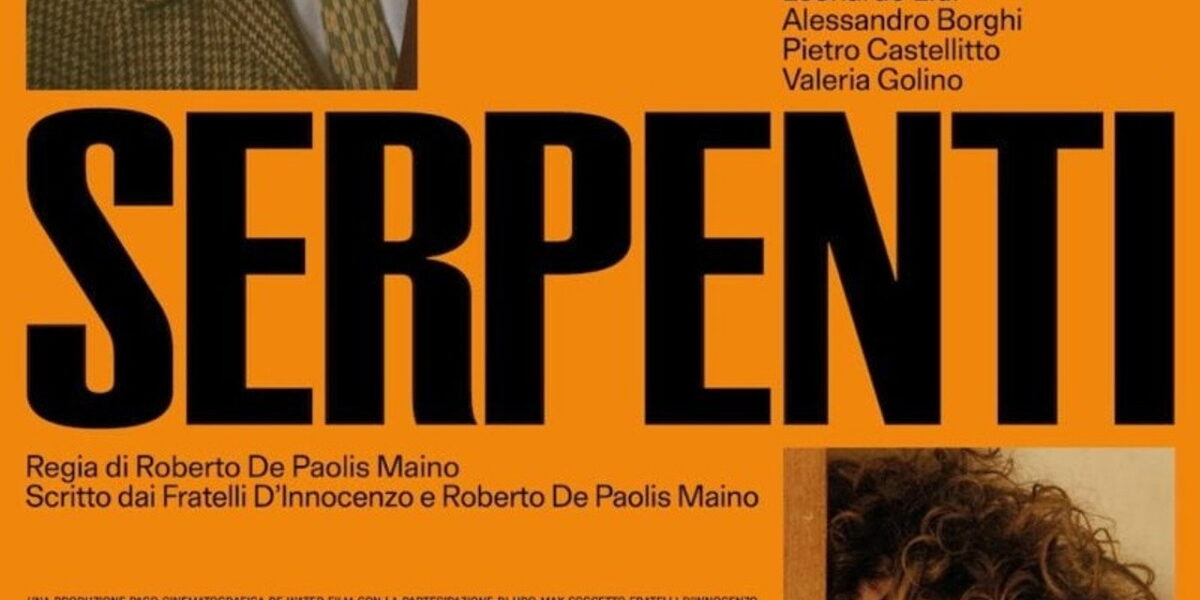
Serpenti: Honest Review — Is It Worth Watching? | 5.5/10
Serpenti is a fascinating mess that bites off more than it can chew—a Kafkaesque premise with genuine teeth that gets strangled by uneven execution and tonal whiplash. Roberto De Paolis had something genuinely unsettling here, but the film keeps tripping over its own ambitions instead of letting the absurdity breathe.
| Director | Roberto De Paolis |
| Cast | Leonardo Lidi, Alessandro Borghi, Pietro Castellitto, Valeria Golino, Daniele Parisi |
| Runtime | Data not available |
| Genre | Drama, Comedy |
| Year | 2026 |
The plot (no spoilers)
Serpenti follows Paolo Marra, a man consumed by remorse after committing an unspeakable act, who attempts to surrender to the authorities and face justice. The setup is deliberately perverse: a protagonist literally begging to be imprisoned, to be punished, to restore some moral order—and the system refuses to cooperate. It’s pitch-perfect material for a brutal social satire about institutional dysfunction and societal indifference.
The film operates in that delicious space between dark comedy and existential dread where nothing works the way it should. Paolo becomes invisible to the very apparatus designed to catch him, caught in a Kafkaesque nightmare where his confession is treated as performance art rather than confession. The movie wants to eviscerate bureaucracy, corruption, and collective apathy all at once.
Acting & direction
Leonardo Lidi carries the weight of this premise with genuine desperation, playing Paolo as a man slowly unraveling in plain sight, watching society treat his guilt as an inconvenience. Alessandro Borghi and Pietro Castellitto bring menacing charisma to their supporting roles, while Valeria Golino floats in and out with the kind of ethereal detachment that suggests she’s the only one who understands the game. Daniele Parisi rounds out an ensemble that’s clearly talented enough to elevate weak material.
De Paolis’ direction oscillates wildly between smart satirical moments and heavy-handed farce that undermines the premise’s philosophical weight. The cinematography is competent but unremarkable—lots of institutional gray and sterile office spaces that should feel oppressive but often just feel standard. The pacing stutters; scenes that should build dread instead meander into comedy sketches that don’t land, breaking the spell of discomfort the film desperately needs to maintain.
The strengths
- The core concept is genuinely original and provokes real ethical vertigo—watching someone try to be punished while everyone ignores him is deeply uncomfortable in the best way.
- There are moments of pitch-black insight where you can see exactly what De Paolis was trying to say about a society that doesn’t care about redemption or accountability, only about convenience.
- The ensemble cast commits fully to the material, and their individual performances suggest they understood the film’s ambitions even when the script didn’t.
The weaknesses
- The tonal balance between comedy and tragedy never settles—the film keeps switching registers like a director who couldn’t decide which movie he wanted to make, leaving you uncertain whether to laugh or recoil.
- After establishing its brilliant premise, the narrative spins its wheels instead of escalating, repeating the same beats about Paolo’s inability to confess without finding new angles or deepening the philosophical implications.
- The climactic moments feel rushed and unearned, as if the film suddenly remembered it needed to end and scrambled to provide resolution rather than allowing the absurdity to reach its logical, devastating conclusion.
Who should watch it
This is for viewers who appreciate dark comedy in the vein of Yorgos Lanthimos or Cristian Mungiu—people who can sit with discomfort and extracting meaning from institutional dysfunction. If you loved the Kafkaesque dread of films like The Trial or Synecdoche, New York, you’ll recognize what De Paolis was reaching for here. Casual moviegoers should skip this; it’s too bleak and narratively frustrating for anyone seeking straightforward catharsis.
Final verdict
Serpenti is a film that breaks your heart not because it’s tragic, but because you can see how devastatingly good it could have been with tighter control and fewer tonal compromises. The movie has genuine ideas about guilt, accountability, and societal rot, but De Paolis can’t quite wrangle them into something that sustains from beginning to end. It’s worth watching for cinephiles willing to endure frustration for flashes of brilliance, but the final product is uneven enough to warrant the middling 5.5 score—intelligent and ambitious, yet ultimately unable to deliver on its promise.
Scopri di più su IMDB.
FAQ
Is Serpenti worth watching?
Only if you appreciate ambitious failures and dark comedy with philosophical weight; the brilliant premise can’t overcome uneven execution and tonal confusion.
What is Serpenti about?
A man who killed his wife tries to turn himself in for justice, but becomes invisible to the entire legal system—a Kafkaesque indictment of institutional indifference and social dysfunction.
Who is the director of Serpenti?
Roberto De Paolis directed Serpenti, bringing an ambitious but ultimately uneven vision to this dark satire about redemption denied.
What is the runtime of Serpenti?
Runtime data is not currently available for this film, though the pacing issues suggest it may feel longer than intended.
What genre is Serpenti?
Serpenti is classified as Drama and Comedy, blending existential dread with satirical farce, though the tonal balance frequently misfires.