Sheep in the Box: Honest Review — Is It Worth Watching? | 6.3/10
Sheep in the Box is a fascinating, deliberately paced meditation on artificial intimacy that fumbles its emotional landing and feels more like a thesis statement than a lived experience. Kore-eda’s latest reaches for something profound about parenthood and the uncanny, but settles for a film that’s intellectually intriguing while remaining emotionally distant.
| Director | Hirokazu Kore-eda |
| Cast | Haruka Ayase, Daigo Yamamoto, Kuwaki Rimu, Nana Seino, Kanichiro |
| Runtime | 126 minutes |
| Genre | Drama, Science Fiction |
| Year | 2026 |
The plot (no spoilers)
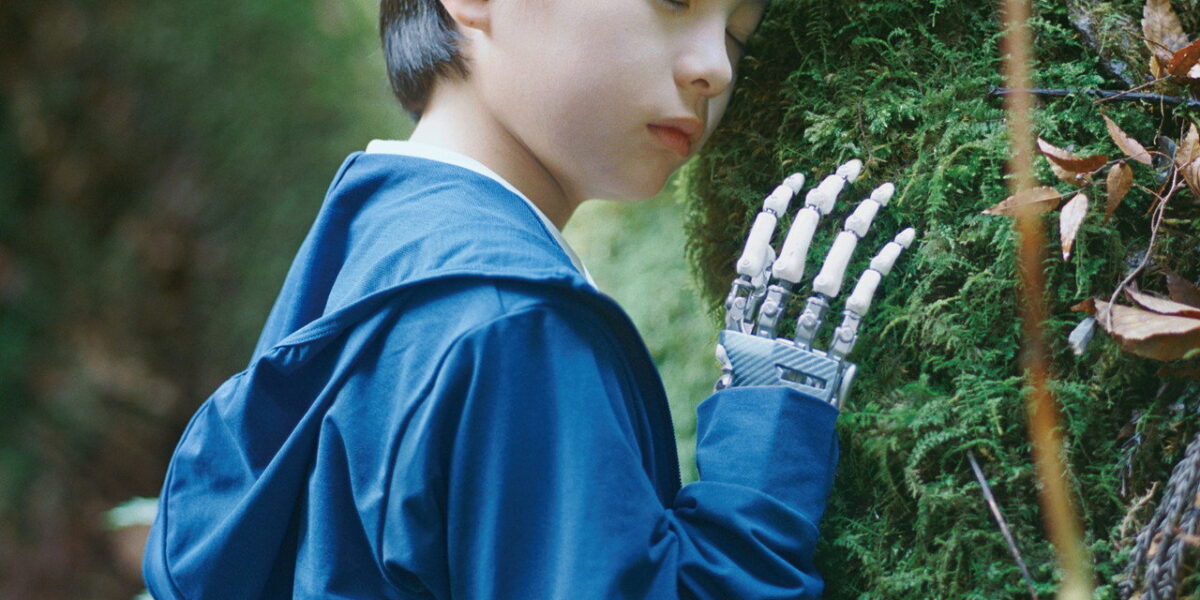
Sheep in the Box follows architect Otone Komoto and her husband Kensuke, who make the controversial decision to bring a humanoid robot into their home as their son, rather than pursuing biological parenthood. The premise is audacious—it’s the kind of speculative premise that demands serious thematic exploration, and initially the film seems positioned to deliver exactly that. The near-future setting feels lived-in rather than sterile, which is refreshing for sci-fi that trades in the intimate rather than the catastrophic.
The film operates in a deliberately slow register, inviting us into the quiet tension of a household restructured around this artificial presence. Expectations shift quickly though, because Kore-eda isn’t interested in the technological marvel angle—he’s mining the psychology of acceptance, resistance, and the performative nature of family bonds themselves. It’s ambitious terrain, but the movie’s refusal to offer easy emotional beats makes it feel more cerebral than cathartic.
Acting & direction
Haruka Ayase carries the film with a performance of studied restraint that borders on the detached, which may be exactly what Kore-eda wanted but doesn’t always serve the narrative’s emotional core. Daigo Yamamoto as Kensuke is equally measured, and there’s real chemistry between them—but it’s the chemistry of two people performing companionship rather than inhabiting it. Kuwaki Rimu as the robot son is eerie and deliberately artificial in ways that underscore the film’s conceptual interests but leave you cold.
Kore-eda’s direction prioritizes compositional grace and unobtrusive framing, which fits the subject matter but often feels like the film is observing life rather than living it. The cinematography is pristine and muted, leaning into cool grays and sterile interiors that complement the robotic infiltration of domestic space. The pacing is glacial—sometimes meditative, sometimes just static—and by the second hour you’re acutely aware that you’re watching a slow-burn that may not deliver the heat you’re hoping for.
The strengths
- The central premise is genuinely unsettling in the best way, refusing easy answers about what constitutes authentic parenthood and love in an age of simulation.
- The film’s visual language—clean, controlled, deliberately artificial—perfectly mirrors the emotional landscape Kore-eda is constructing around his characters’ lives.
- There’s a real exploration of how we perform family and domesticity, and the movie doesn’t let you off the hook for your own assumptions about what makes a “real” family.
The weaknesses
- The emotional distance Kore-eda maintains between audience and character becomes increasingly frustrating rather than illuminating as the runtime stretches toward two hours.
- The film’s third act feels like it’s circling the same thematic territory without breaking new ground, and the resolution lands with a thud rather than a revelation.
Who should watch it
This is strictly for the slow cinema constituency—people who loved the methodical unease of Kore-eda’s earlier work and don’t mind abstract philosophical inquiry wrapped in narrative stasis. If you’re looking for speculative fiction that actually interrogates its own ideas rather than showcasing them, or if you appreciate intimate sci-fi like “Never Let Me Go,” you’ll find something to chew on here. Everyone else will find themselves watching the clock.
Final verdict
Sheep in the Box is a smart film that mistakes intelligence for depth and restraint for nuance. Kore-eda has constructed something genuinely thought-provoking about artificial intimacy and parental performance, but he’s done it in a way that keeps the audience at such an emotional remove that we stop caring what the characters learn about themselves. It’s a 6.3/10 because it’s competent, interesting, and utterly inert—the kind of film you respect far more than you enjoy, and that’s a brutal distance to maintain for two hours.
FAQ
Is Sheep in the Box worth watching?
Only if you’re genuinely interested in philosophical sci-fi that prioritizes ideas over emotional engagement. The film is intellectually stimulating but emotionally distant, making it a tough sell for casual viewers.
What is Sheep in the Box about?
A married couple brings a humanoid robot into their home as their adopted son, forcing them to confront questions about love, identity, and what it means to be a real family in an age of artificial intelligence.
How long is Sheep in the Box?
The film runs 126 minutes, and every single one of them moves at a deliberate, meditative pace—it’s a commitment that not all viewers will want to make.
Is this Kore-eda’s best work?
No. While it showcases his trademark compositional control and thematic ambition, it lacks the emotional warmth and narrative momentum that made films like “Shoplifters” and “After the Storm” so resonant.
Does Sheep in the Box have a satisfying ending?
It has an ending that’s thematically coherent but emotionally unsatisfying—Kore-eda seems more interested in raising questions than answering them, which frustrates rather than enlightens.
Tags: Kore-eda, humanoid robots, sci-fi drama, Japanese cinema, speculative fiction