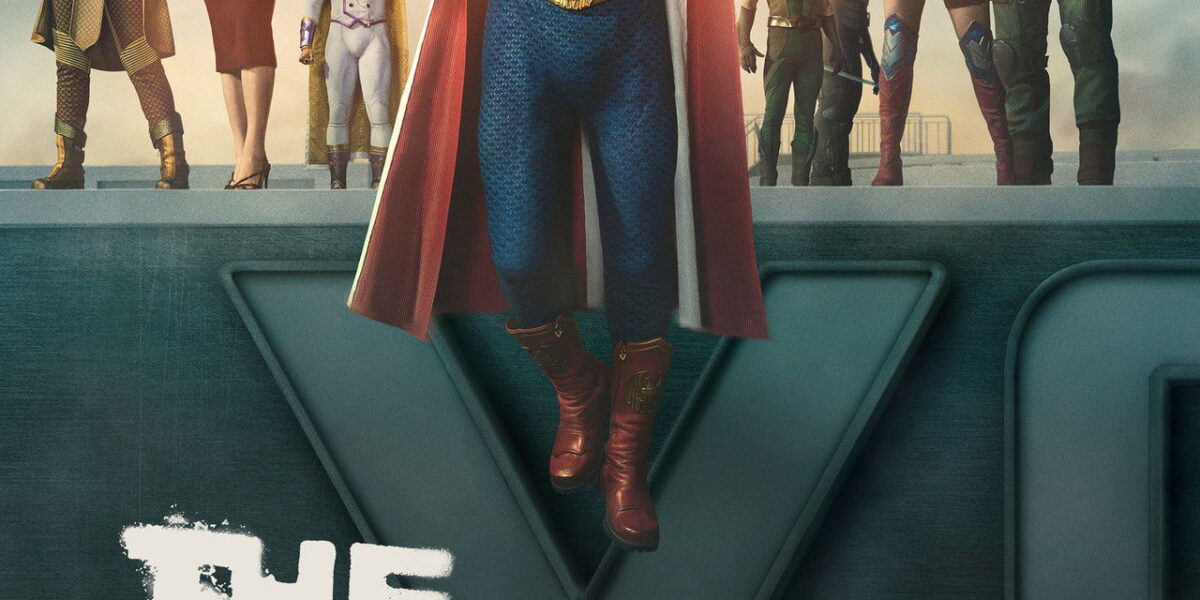
The Boys: Ending Explained — Ultimate Breakdown
The Boys is not simply a superhero show wearing a satirical costume — it is a surgical dissection of power, celebrity worship, and the rot hiding beneath polished spandex. Created by Eric Kripke, this series dares to ask what happens when the people we elevate to godhood are corrupt, sadistic, and untouchable. The finale of its final season crystallizes every thematic thread the show has woven across five brutal, electrifying seasons into one shattering conclusion worth examining closely.
The Boys: What happens at the end
The final arc of The Boys converges on an inevitable, blood-soaked reckoning between Hughie Campbell (played with remarkable emotional depth by Jack Quaid) and the monstrous machinery of Vought International. Billy Butcher (Karl Urban), consumed by Compound V and his own consuming hatred, reaches the point of no return — no longer simply a weapon aimed at Supes, but a force of destruction indistinguishable from what he hunts. The question the finale poses with brutal clarity is whether righteous rage can survive its own victory.
The climactic confrontation strips every character bare. Homelander (Antony Starr), the show’s defining monster, faces consequences not through superhuman force but through the accumulated weight of human resistance and exposure. Annie January (Erin Moriarty) emerges as the show’s true moral compass — her arc completing a transformation from complicit celebrity to genuine revolutionary. The ending refuses easy catharsis, insisting instead that dismantling corrupt systems leaves survivors scarred, not triumphant, forcing us to sit uncomfortably with what victory actually costs.
The deeper meaning
At its core, the finale weaponizes a devastating metaphor: superheroes as unchecked corporate assets represent every institution we have surrendered accountability for in exchange for spectacle and comfort. Homelander is not an anomaly — he is the logical endpoint of a culture that rewards performance over character, dominance over compassion. The show’s final images insist that the real superpower was never flight or laser vision, but the terrifyingly ordinary human capacity to look away from atrocity when it wears a flag and a smile.
Eric Kripke has spoken consistently about his intention to frame Vought as a dark mirror of American media consolidation, where truth becomes a product and heroes become brands. The finale crystallizes this intention by refusing Homelander a redemption arc, a narrative mercy that lesser shows would have granted. His end — whatever form it ultimately takes — is framed not as tragedy but as sanitation, a long-overdue correction that the system itself was structurally incapable of performing, requiring outsiders, outcasts, and the genuinely powerless to execute.
Hidden details & easter eggs
Sharp-eyed viewers will notice the recurring visual motif of mirrors throughout the final episodes — characters glimpsing distorted reflections of themselves at key decision points, a quiet piece of foreshadowing for the show’s central argument that every villain was once someone’s hero. The Vought News Network broadcasts running as background dressing in final scenes are packed with sardonic headlines that reward pause, each one a micro-commentary on real-world media manipulation. The IMDB trivia page documents several crew-level easter eggs embedded in prop design throughout the season’s finale corridor.
Connections to the rest of the film
The series plants its thematic seeds with extraordinary precision from the very first episode, where Hughie‘s ordinary life is shattered by a Supe’s casual indifference to human life — establishing the show’s founding principle that power without accountability produces not heroes but predators. Every act of foreshadowing in earlier seasons, from Butcher‘s stated willingness to sacrifice anyone to Starlight‘s growing disillusionment with Vought’s machinery, pays structural dividends in the finale, demonstrating a writers’ room operating with rare long-game discipline across five seasons of escalating consequence.
Fan theories
One compelling theory argues that Billy Butcher‘s ultimate fate is intentionally designed to mirror Homelander‘s own origin story — that both men were forged by grief and trauma into instruments of destruction, suggesting the show’s darkest thesis: that the line between monster and avenger is drawn in circumstance, not character. Evidence supporting this reading is substantial, including parallel scene compositions and mirrored dialogue. Counter-arguments note that Butcher‘s persistent self-awareness distinguishes him morally, a distinction the show seems to both acknowledge and brutally complicate without ever fully resolving the tension it creates.
FAQ
Does Homelander die at the end of The Boys?
Homelander‘s fate in the finale is the series’ most consequential revelation — his end arrives not through brute force but through a combination of institutional exposure and direct confrontation, a conclusion that underlines the show’s thesis that systems, not individuals, ultimately determine whether monsters are stopped.
Does Billy Butcher survive the final season?
Butcher‘s survival is deliberately left in thematic tension — his arc concludes in a way that questions whether a man who becomes his enemy to destroy his enemy can ever truly return from that transformation, which is precisely the point Eric Kripke‘s narrative has been building toward.
What happens to Starlight at the end?
Annie January ends the series as its most complete character — having shed the Starlight persona’s corporate packaging, she emerges as a genuinely independent force, a resolution that functions as the show’s most optimistic statement about the possibility of authentic heroism outside institutional validation.
What is the tagline “Never meet your heroes” really about?
The tagline operates as the series’ thesis statement — it warns not merely against disappointment but against the dangerous human tendency to outsource moral judgment to charismatic figures, a surrender of critical thinking that the show argues makes atrocities not just possible but structurally inevitable.
Is The Boys based on a comic book?
Yes — the series is adapted from the comic book by Garth Ennis and Darick Robertson, though Eric Kripke‘s television adaptation substantially deepens the political and psychological dimensions of its source material, particularly in its portrayal of media complicity and corporate power structures.