The Chestnut Man: Ending Explained — Ultimate Breakdown
Few Nordic noir series arrive with the suffocating dread that The Chestnut Man sustains across its runtime. This Danish thriller, based on Søren Sveistrup’s novel and adapted for Netflix, constructs a mystery so meticulously layered that its ending demands more than passive viewing — it demands forensic attention. Here, we dissect every symbol, every revelation, and every emotional wound the finale tears open with surgical precision.
The Chestnut Man: What happens at the end
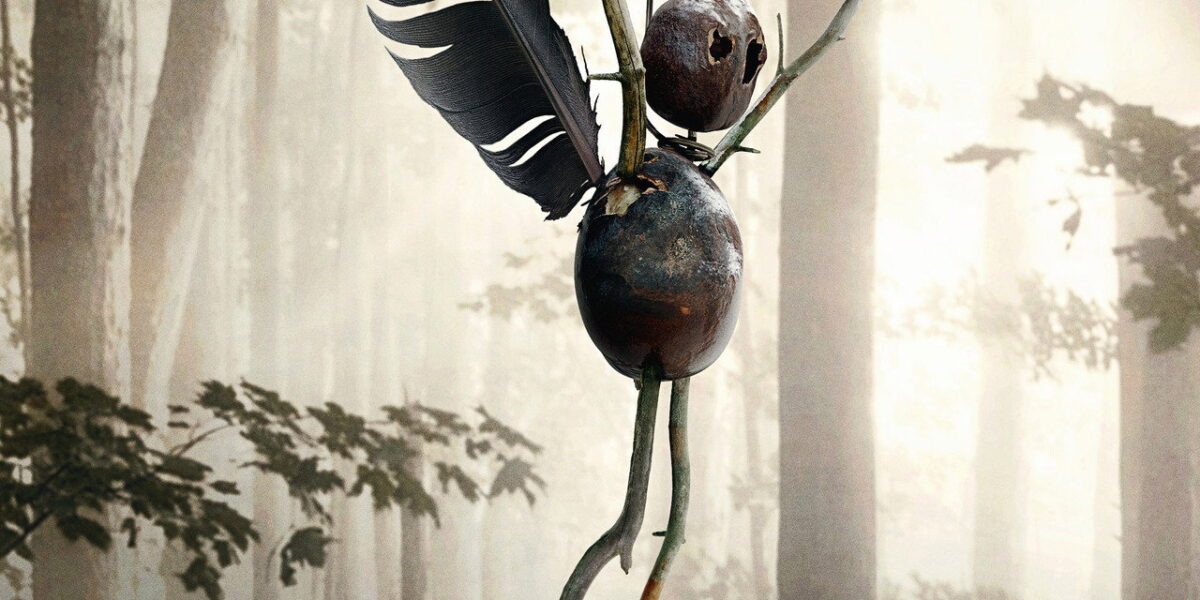
The series finale converges on a devastating revelation: the chestnut figurines — those unsettling little totems left at each murder scene — are traced back to Linus Bekker, a deeply disturbed man who acted as an instrument of revenge rather than the sole architect of horror. Detective Naia Thulin and her partner Mark Hess close in on the killer’s identity only after a trail of bodies leads them through the corridors of political power and personal grief.
The true twist lies in the connection between the murders and Rosa Hartung‘s presumed-dead daughter, Kristine, whose fingerprints — impossibly — appear on each figurine. Kristine is discovered alive, imprisoned and traumatized, reshaping everything the audience thought they understood about the case. The emotional devastation of her mother’s reunion with her anchors the finale in something rawer than mere plot resolution — it becomes a reckoning with loss itself.
The deeper meaning
The chestnut man figurine is not merely a calling card — it functions as a memento mori, a handmade artifact of childhood innocence twisted into an instrument of terror. Each figurine whispers the same message: innocence, once stolen, cannot be restored. The series uses these brittle little objects as a metaphor for the fragility of family, of safety, of the stories we tell ourselves to survive. They are childhood made monstrous, domesticity weaponized.
The creators’ deepest intention appears to be an indictment of systemic failure — the way institutions, whether political or judicial, crush individuals beneath bureaucratic indifference. Rosa Hartung‘s arc as a politician whose private grief is weaponized by both a killer and a media machine reflects a society that consumes suffering rather than addressing it. The ending refuses catharsis in its simplest form, insisting instead on the long, unglamorous labor of surviving trauma.
Hidden details & easter eggs
Sharp-eyed viewers will notice that the chestnut figurines are always positioned facing the victim, never turned away — a detail that reinforces the killer’s compulsion to be witnessed, to force a confrontation. Additionally, the color palette shifts measurably warmer in scenes involving Kristine‘s captivity flashbacks, a disorienting visual choice that initially reads as hope but retrospectively signals dissociation. The series also embeds a recurring motif of broken or incomplete pairs — shoes, gloves, earrings — signaling severed bonds before the narrative makes them explicit.
Connections to the rest of the film
The foreshadowing woven into early episodes is almost cruel in its precision. Thulin‘s instinct to protect her own daughter, Le, mirrors Rosa Hartung‘s grief in ways the series keeps understated until the finale makes the parallel overwhelming. Hess’s emotional detachment — established from the very first scene — is systematically dismantled, and the ending reveals it was never coldness but rather a man terrified of caring too much. Every apparent dead end in the investigation was, narratively, a door deliberately left ajar.
Fan theories
One compelling theory holds that Bekker was manipulated by a third party never fully identified on screen, pointing to ambiguous phone records and a scene where he appears genuinely confused by one of the crime scene locations. Against this: the psychological profiling within the narrative consistently frames him as capable of autonomous planning. A second theory suggests Hess was himself under surveillance by the antagonist from episode one, citing repeated shots of his apartment window. Both readings add genuine texture to a finale that rewards obsessive re-watching.
FAQ
Who is the real killer in The Chestnut Man?
Linus Bekker is the primary killer, but the series reveals he was driven by a revenge motive connected to a traumatic past involving institutional negligence. The horror lies in how ordinary his origins appear.
Is Kristine Hartung actually alive at the end?
Yes. Kristine Hartung is discovered alive, having been held captive throughout the events of the series. Her survival reframes the entire investigation and delivers the season’s most emotionally devastating scene.
What do the chestnut figurines symbolize?
The figurines represent corrupted innocence and a compulsive need to leave a mark — a signature of trauma transformed into threat. They are childhood objects turned into instruments of psychological terror.
Does The Chestnut Man have a sequel or second season?
The series was produced as a limited, self-contained adaptation of Søren Sveistrup’s novel. You can find further details about the cast and production history on IMDB.
What is the significance of the ending’s final shot?
The closing image deliberately withholds full resolution, suggesting that survival is not the same as healing. It leaves Thulin and Hess in a state of suspension — changed, but not yet whole.