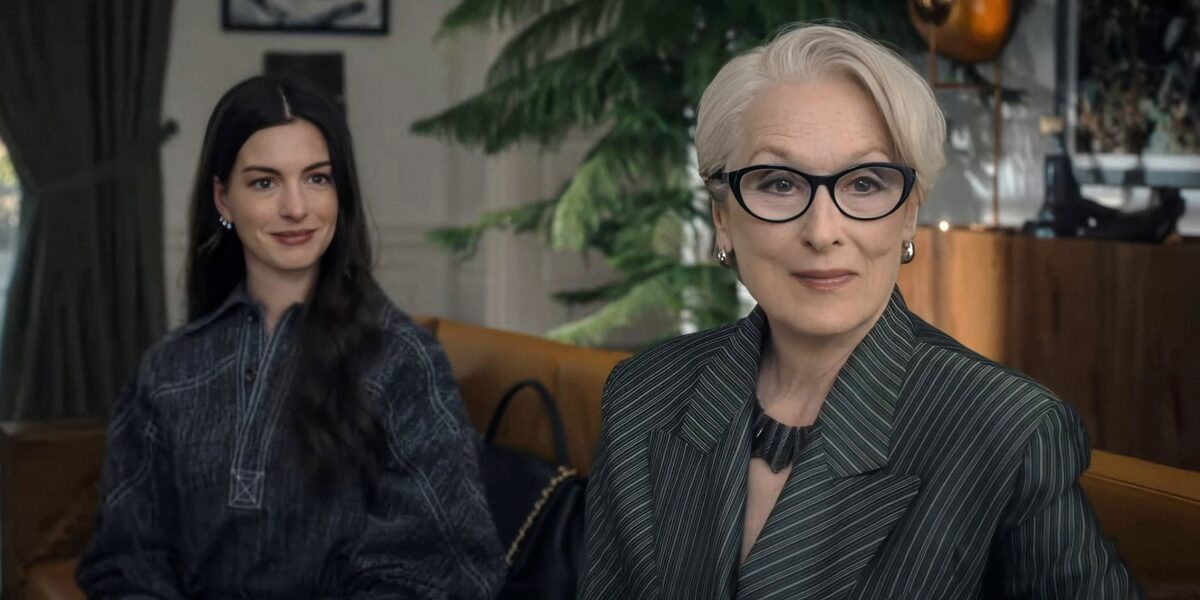
The Devil Wears Prada 2: Why the Sequel Banks on Audiences Caring About Magazine Futures
The Devil Wears Prada 2 represents a calculated gamble — the sequel assumes moviegoers genuinely care about the future of print magazines in our digital age. Meryl Streep returns as Miranda Priestly, the iconic Runway magazine editor-in-chief, in a follow-up that doubles down on industry-specific drama rather than broadening its appeal.
The Devil Wears Prada 2: The Details
The original 2006 film became a cultural phenomenon, largely due to Streep’s transformative performance as the terrifyingly brilliant Miranda Priestly. That memorable scene where Miranda explains how Andy’s supposedly personal fashion choices were actually dictated by runway trends—filtered down through department stores—exemplified the film’s razor-sharp social commentary. The moment underscored how fashion and media industries shape consumer behavior.
For the sequel, filmmakers appear to be leaning into this insider perspective even more heavily. Rather than softening Miranda’s character or broadening the narrative to mainstream concerns, The Devil Wears Prada 2 seems determined to explore the existential crisis facing magazines in contemporary culture. This is an audacious narrative choice given that print journalism has faced unprecedented challenges over the past two decades.
The film’s central premise—that audiences will invest emotionally in questions about magazine viability—signals confidence in the source material’s enduring appeal. It suggests that viewers don’t just want fashion spectacle; they’re genuinely invested in understanding power dynamics within elite media institutions. Anne Hathaway’s return as Andy, now presumably in a different professional position, suggests character evolution within this specific world.
This approach reflects changing audience tastes. Modern viewers increasingly enjoy films that delve into specific industries and institutional dynamics. Think about how popular films have recently centered on journalism (Spotlight), publishing (The Holdovers), and media manipulation. The Devil Wears Prada 2 follows this trend by refusing to shy away from its niche subject matter.
What This Means for Cinema
The Devil Wears Prada 2 challenges the conventional wisdom that sequels must appeal to the broadest possible demographic. Instead, it doubles down on specificity—betting that a devoted fanbase and culturally aware viewers will embrace a film genuinely interested in magazine industry futures. This represents a refreshing departure from franchises that dilute their original formulas.
The sequel’s strategy could reshape how studios approach legacy franchises. Rather than abandoning what made the original distinctive, filmmakers are deepening thematic exploration. If successful, The Devil Wears Prada 2 might demonstrate that audiences appreciate intelligent, industry-specific narratives over generic franchise expansion. This approach prioritizes artistic coherence over maximum market penetration.
Meryl Streep’s potential return is crucial here. Her Oscar-snubbed performance defined the first film’s identity. If she reprises Miranda with the same magnetism, viewers will likely overlook the film’s niche subject matter in favor of watching her command screen presence. The sequel essentially tests whether star power and thematic depth can coexist successfully.
What We Know So Far
- Meryl Streep is expected to return as Miranda Priestly, the formidable Runway magazine editor
- Anne Hathaway’s return as Andy Sachs is anticipated, though her character will presumably occupy a different professional role
- The narrative appears to explore how print magazines navigate contemporary media landscape challenges
- The original film’s 2006 release established a devoted fanbase that has maintained cultural interest for nearly two decades
What’s Still Unknown
- Whether other original cast members (Emily Blunt, Stanley Tucci) will return in significant roles
- The specific plot details regarding how the magazine industry’s transformation serves the central dramatic conflict
- Release date timing and studio marketing strategy for positioning the film within current industry discourse
- Whether the sequel will address real-world magazine closures and industry consolidation explicitly
For more information, visit The Devil Wears Prada on IMDb or Variety’s coverage of the sequel announcement.
META_DESCRIPTION: The Devil Wears Prada 2 gambles on audiences caring about magazine industry futures. Meryl Streep’s Miranda Priestly returns in bold sequel bet on print media relevance.
FOCUS_KEYWORD: The Devil Wears Prada 2
TAGS: Film Sequels, Fashion Industry Drama, Meryl Streep, Magazine Media, Hollywood News