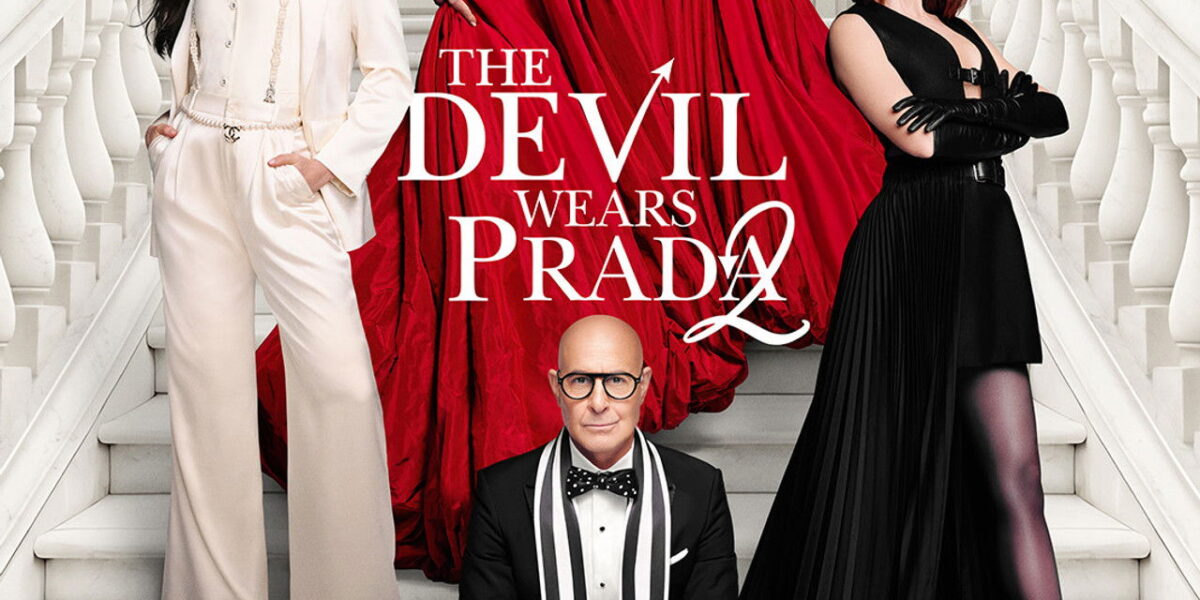
The Devil Wears Prada 2: Honest Review — Is It Worth Watching? | 6.0/10
The Devil Wears Prada 2 arrives as a halfway decent corporate thriller that leans on nostalgia more than genuine reinvention, banking on the chemistry of its leads to paper over a script that feels oddly stretched and uncertain of its own stakes. Streep versus Blunt should be irresistible, but the movie settles for competent when it desperately needed to be vicious.
| Director | David Frankel |
| Cast | Meryl Streep, Anne Hathaway, Emily Blunt, Stanley Tucci, Kenneth Branagh |
| Runtime | 120 minutes |
| Genre | Drama, Comedy |
| Year | 2026 |
The plot (no spoilers)
The Devil Wears Prada 2 catches Miranda Priestly in her most vulnerable moment—presiding over a print magazine empire that’s hemorrhaging relevance and advertising revenue while the digital economy devours everything around her. When her former assistant Emily Charlton resurfaces as a ruthless executive for a luxury conglomerate, the stage is set for a battle over advertising dollars and professional supremacy that plays out with all the tension of a hostile corporate takeover wrapped in designer clothes and cutting remarks.
The movie wants to be a modern dark comedy about institutional decline and the clash between old-guard elegance and new-money aggression, but it feels more like a prestige television episode stretched uncomfortably to feature length. David Frankel’s direction keeps things moving at a respectable clip, though the narrative frequently stalls when it should accelerate, leaving you with the sense that someone was afraid to commit fully to either satire or genuine drama.
Acting & direction
Meryl Streep is predictably magnificent, channeling a woman whose power is becoming ornamental rather than operational, though even she can’t fully animate scenes that ask her to recycle variations on the same arctic authority we’ve already seen perfected in 2006. Emily Blunt arrives as the antagonist with sharper teeth, playing a character who understands that nostalgia is worthless in a world obsessed with disruption, and she generates genuine friction in their scenes together. Anne Hathaway returns in a supporting capacity that feels almost apologetic about her own presence.
Frankel shoots everything with the slick anonymity of prestige television—all neutral color palettes and symmetrical frames that look expensive but register as visually inert. The pacing never quite lands those comedy beats with the snap they deserve, and the dramatic confrontations lack the psychological texture that would make them feel earned rather than merely scheduled. Stanley Tucci and Kenneth Branagh show up to collect paychecks in roles that could’ve been filled by anyone with a British accent and an agent.
The strengths
- Streep and Blunt’s mutual contempt crackles with enough electricity to justify the film’s existence during their best scenes, particularly a boardroom sequence in the third act where power dynamics genuinely destabilize.
- The script occasionally lands surgical observations about how print media became a prestige brand for wealthy people rather than an actual industry with cultural vitality.
- The costume design functions as its own character, using fashion choices to telegraph ambition and obsolescence in ways that feel more intelligent than the dialogue surrounding them.
The weaknesses
- The central conflict never quite escalates beyond professional posturing, leaving the film feeling like a high-stakes argument that never actually risks anything beyond corporate pride and magazine circulation numbers.
- For a movie supposedly about publishing’s death throes, it demonstrates startling ignorance about how the industry actually operates, preferring convenient plot devices over structural authenticity.
- Anne Hathaway‘s abbreviated role feels like a contractual obligation rather than genuine narrative choice, undermining the trilogy’s emotional through-line about mentorship and growth.
Who should watch it
This film exists in that narrow corridor for viewers who loved the original comedy-drama specifically for Streep’s performance and want to see her spar with someone equally formidable, or cinephiles curious about how a franchise handles themes of institutional decay and professional obsolescence. If you’re expecting the razor-sharp satire of the first film or the emotional sophistication of prestige television, you’ll leave disappointed, but if you’re willing to settle for competent entertainment with recognizable faces and designer aesthetics, you’ll find enough here to justify two hours of your time.
Final verdict
The Devil Wears Prada 2 is the cinematic equivalent of a perfectly tailored blazer that fits well but doesn’t inspire anyone to actually wear it outside the house—polished, professional, and fundamentally unnecessary. The film knows what it wants to say about power and legacy but lacks the courage to actually say it with conviction, instead retreating into safely entertaining corporate posturing that feels increasingly hollow the moment you stop watching. Worth a single viewing for the performances, but instantly forgettable and never essential, which might be the most damning verdict possible for a sequel that should’ve aimed for immortality instead of mere competence.
Frequently Asked Questions
Is The Devil Wears Prada 2 better than the original?
No, not remotely—the original was sharper, funnier, and had genuine stakes about personal growth; this sequel trades satire for corporate drama and ends up with less of both.
Do you need to watch the first film to understand the sequel?
Not strictly necessary, but you’ll miss years of character history and emotional context that makes Miranda’s current predicament significantly less meaningful than it should be.
Is Meryl Streep still incredible in this?
Streep is perpetually magnificent, but even she can’t transcend material that asks her to perform variations on a character she’s already perfected rather than genuinely evolve her.
Does the film work as social commentary about print media?
It gestures toward intelligent observations about publishing’s decline but never commits to genuine analysis, preferring convenient plot mechanics over structural authenticity.
Should I watch it or skip it?
Watch it only if you’re genuinely invested in Streep and Blunt’s professional rivalry; otherwise, stream something with actual dramatic teeth or satirical edge.
Scopri di più su IMDB.