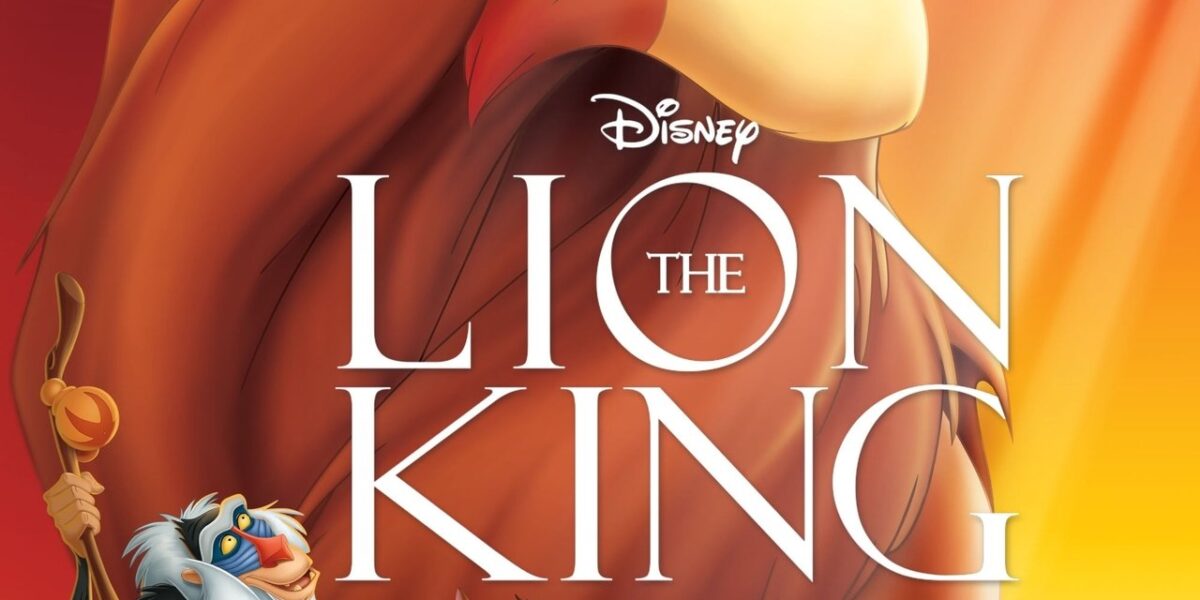
The Lion King: Ending Explained — Ultimate Breakdown
Few animated films carry the weight of genuine tragedy and mythological grandeur that The Lion King achieves in its final act. Roger Allers’ 1994 masterpiece doesn’t merely tell a story about lions — it excavates something primal about guilt, identity, and the courage required to reclaim what was wrongfully taken. The ending, in particular, operates on multiple layers simultaneously, functioning as climax, catharsis, and cosmic restoration all at once.
The Lion King: What happens at the end
Simba returns to Pride Rock after being visited by the spirit of his father Mufasa, whose voice thunders from the stars commanding him to remember who he truly is. He confronts a devastated Pride Lands, now a barren wasteland under Scar‘s reign of hyenas and mismanagement. The confrontation between nephew and treacherous uncle unfolds atop the burning summit of Pride Rock during a raging storm, framing the entire sequence as something beyond personal conflict — it feels like a reckoning of nature itself demanding rebalance.
Scar, cornered and desperate, finally confesses his role in Mufasa‘s murder — a confession witnessed by Nala, Sarabi, and the pride. This moment is devastating in its simplicity: the lie that exiled Simba and poisoned an entire kingdom collapses in a single sentence. Scar is ultimately defeated, consumed by the very hyenas he manipulated and betrayed. Simba ascends to the summit, roars into the storm, and rain finally falls. The Circle of Life is restored, and a new cub is presented to the kingdom in a direct echo of the film’s opening.
The deeper meaning
The ending of the film is fundamentally a meditation on inherited identity versus constructed shame. Simba spent his entire exile believing he was a murderer — a false narrative imposed by Scar that nearly erased his authentic self entirely. His return is not simply a physical journey back to Pride Rock; it is a psychological act of self-reclamation. The storm and fire surrounding the climax are not incidental — they represent the violence of confronting the lies we have internalized as truth about ourselves.
Roger Allers constructs the finale as a deliberate inversion of the opening sequence. Where the film begins with radiant light, harmony, and the presentation of new life, the climax presents darkness, fire, and death — only to arrive at renewal once the truth has been spoken aloud. The directorial intention is unmistakable: restoration requires destruction first. The old false order must burn completely before genuine healing becomes possible, a message that resonates far beyond the savanna.
Hidden details & easter eggs
During Simba‘s final ascent of Pride Rock, the clouds briefly form the silhouette of Mufasa‘s face — a visual echo of the earlier vision sequence that reminds the audience that the father’s presence is not supernatural mercy but internalized wisdom finally being acted upon. Additionally, the hyenas’ betrayal of Scar carries a quietly devastating irony: he called them the enemy publicly while using them privately, and the film ensures that political hypocrisy carries its own lethal consequences, rendered visible through his very last moment on screen.
Connections to the rest of the film
The ending’s power is inseparable from the film’s meticulous use of foreshadowing in its earliest scenes. Mufasa‘s lesson about the great kings of the past living in the stars is not merely poetic comfort — it is the precise mechanism through which Simba eventually receives the courage to return. Furthermore, Scar‘s line “I was first in line until the little hairball was born” establishes his resentment as ancient and structural, making his eventual destruction feel like the correction of a long-festering wound rather than a sudden dramatic reversal.
Fan theories
One compelling fan theory argues that Simba‘s vision of Mufasa is not supernatural at all, but a psychological projection manifested through grief, guilt, and Rafiki‘s deliberate psychological intervention — the shaman orchestrating a necessary hallucination. Against this reading stands the film’s consistent mythological framework, which presents the spirit world as genuinely accessible. A second theory suggests Scar‘s sterility as king is intentional metaphor: tyranny is biologically incapable of sustaining life, which is why the Pride Lands wither under his reign. Both readings enrich rather than contradict each other, which is a hallmark of genuinely great storytelling. You can explore cast and production details further on IMDB.
FAQ
Why does Scar confess to killing Mufasa at the end?
Scar confesses because he believes Simba is defeated and the admission will cause maximum psychological damage, underestimating that the truth would galvanize rather than destroy his nephew and expose him to the entire pride simultaneously.
What does the rain at the end of The Lion King symbolize?
The rain symbolizes cosmic restoration and the return of natural order — the land itself responding to the correction of a moral wrong, reinforcing the film’s central idea that the health of a kingdom directly reflects the integrity of its ruler.
Do the hyenas actually kill Scar?
Yes, the hyenas kill Scar after overhearing him attempt to blame them entirely for every crime of his reign, making his death a direct consequence of his lifelong habit of using others as disposable tools and scapegoats.
Why does the film end with a new cub being presented?
The presentation of Simba and Nala‘s newborn cub deliberately mirrors the film’s opening scene, creating a circular narrative structure that visually confirms the restoration of the Circle of Life and signals that the cycle of hope and legacy continues unbroken.
What is the significance of Mufasa’s spirit appearing to Simba?
Mufasa‘s spirit appearance is the film’s pivotal turning point, confronting Simba with the words “remember who you are” — a challenge not to mourn the past but to actively inhabit one’s identity, transforming memory from a source of pain into a source of power.