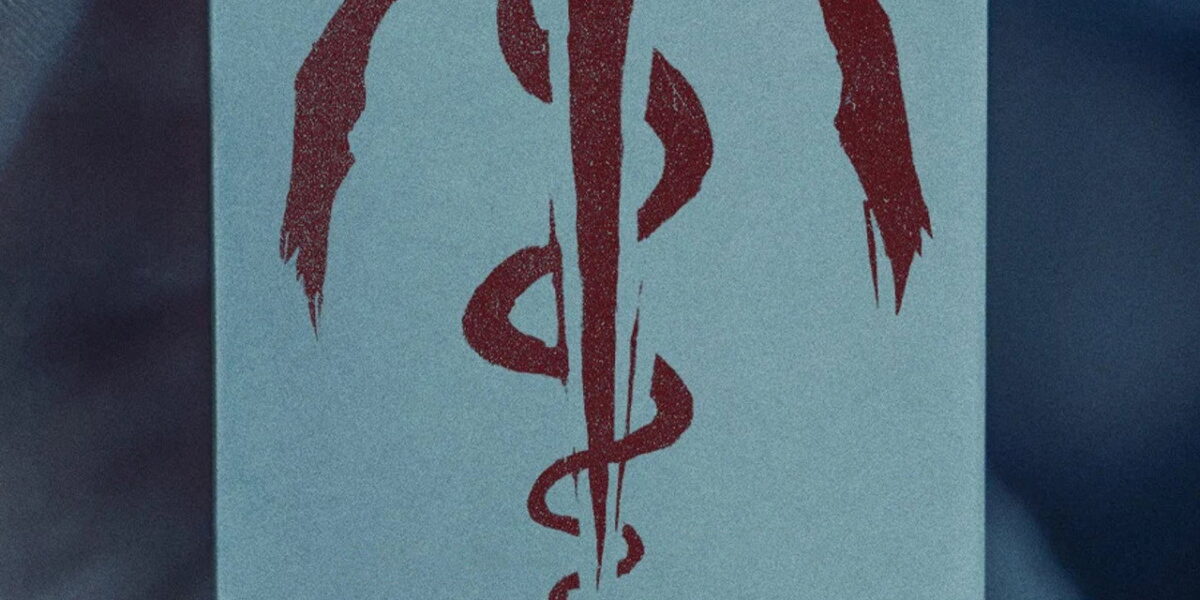
The Mortuary Assistant: Honest Review — Is It Worth Watching? | 5.3/10
The Mortuary Assistant has an undeniably creepy hook—a mortuary at night, isolation, something *wrong* brewing—but squanders it on a script that mistakes atmosphere for actual dread and mistakes slowness for substance. You’ll spend most of your ninety-one minutes waiting for the film to earn your investment, and frankly, it never quite gets there.
| Director | Jeremiah Kipp |
| Cast | Willa Holland, Paul Sparks, John Adams, Mark Steger, Shelly Gibson |
| Runtime | 91 min |
| Genre | Horror, Mystery |
| Year | 2026 |
The plot (no spoilers)
The Mortuary Assistant follows Rebecca Owens, a fresh mortuary science graduate, as she lands her first gig working the graveyard shift at River Fields Mortuary. The premise is solid: embalming corpses solo in a quiet funeral home breeds natural unease, and the film clearly banks on that foundation to carry you through its runtime. But the setup is where most of the creative energy gets spent, leaving the actual narrative momentum to coast on fumes.
The movie leans hard into atmospheric horror, betting everything on long takes of Rebecca performing her duties, the hum of machines, and the pervasive wrongness of being alone with the dead. Expectations shift once the night shift begins—something *isn’t right*—but the film takes its sweet time revealing what, and that patience eventually curdles into tedium rather than mounting terror.
Acting & direction
Willa Holland carries the picture with a convincing blend of professionalism and growing dread, though even her solid work can’t rescue dialogue that often feels stilted or expository. Paul Sparks shows up as a mentor figure and does what he can with limited screen time, but the supporting cast feels more like set dressing than actual scene partners—they’re there to provide plot beats, not genuine human connection.
Kipp’s directorial approach is visually competent but frustratingly one-note: long static shots of the mortuary’s fluorescent corridors, a heavy reliance on silence punctuated by sudden sound design, and a color palette of grays and sickly greens that stops being ominous around the twenty-minute mark and just becomes monotonous. The pacing drags like a corpse being wheeled through linoleum, and while I respect the refusal to jump-scare your way to easy scares, the alternative—glacial buildup that doesn’t actually build to anything substantial—is worse.
The strengths
- The central concept is genuinely unnerving: a mortuary at night, stripped of its professional daytime traffic, becomes a legitimate space of dread where real tension could flourish.
- Holland’s performance keeps you watching even when the script fails her, bringing authentic vulnerability to Rebecca’s gradual unraveling as something sinister emerges from the routine.
- The film respects the mortuary as a real workplace with genuine technical details, lending texture and specificity that grounds the horror in something tangible rather than pure fantasy.
The weaknesses
- The mystery at the heart of the narrative reveals itself with all the impact of a damp handshake, and once you understand what’s happening, the film has nothing left to offer except more of the same slow trudging through hallways.
- The dialogue oscillates between wooden exposition dumps and awkward attempts at humor that land with the grace of a body bag hitting cold tile, breaking any atmospheric tension the cinematography tries to build.
- Ninety-one minutes feels both bloated and undernourished; there’s simply not enough story here to justify the runtime, and cutting twenty minutes would’ve transformed this into a tight, punchy short rather than a feature that tests your patience.
Who should watch it
If you’re a devoted fan of slow-burn horror in the vein of Hereditary or The Wailing—films where patience is rewarded with genuine psychological depth—you might find something here, though even die-hards will struggle with how little substance supports the glacial pacing. Casual horror viewers, however, should steer clear entirely; this isn’t the kind of atmospheric restraint that pays dividends, it’s just restraint for its own sake.
Final verdict
The Mortuary Assistant fails because it confuses mood with meaning, mistaking a creepy location for an actually creepy *film*. The premise hooks you, Holland’s performance keeps you watching, but the story underneath collapses under its own ponderous weight, revealing something so thin and predictable that by the finale you’ll feel like you’ve just spent an hour and a half in the waiting room of a funeral parlor with no actual funeral to attend. It’s not offensive, just disappointingly hollow—a 5.3/10 that doesn’t bother trying to climb higher.
Scopri di più su IMDB.
FAQ
Is The Mortuary Assistant worth watching in 2026?
Only if you have extremely high tolerance for slow-burn atmosphere with minimal payoff and sparse narrative substance; for most viewers, it’s a pass despite an intriguing premise and solid lead performance.
What is The Mortuary Assistant actually about?
A newly graduated mortuary assistant working the night shift discovers something sinister at her funeral home, but the film’s mysterious threat unfolds at such a glacial pace that the revelation feels underwhelming rather than terrifying.
Does The Mortuary Assistant have jump scares?
No, the film deliberately avoids conventional jump scares in favor of atmospheric dread, but this restraint becomes a weakness rather than a strength since the alternative tension never materializes effectively.
How is Willa Holland in The Mortuary Assistant?
Willa Holland is the film’s strongest element, delivering a convincing portrayal of creeping unease and professional competence that almost makes up for the thin script surrounding her character.
Should I watch The Mortuary Assistant or a different horror film?
Skip this one and reach for literally any other recent atmospheric horror like Longlegs or Immaculate, which balance slow-burn tension with actual narrative momentum and payoff.