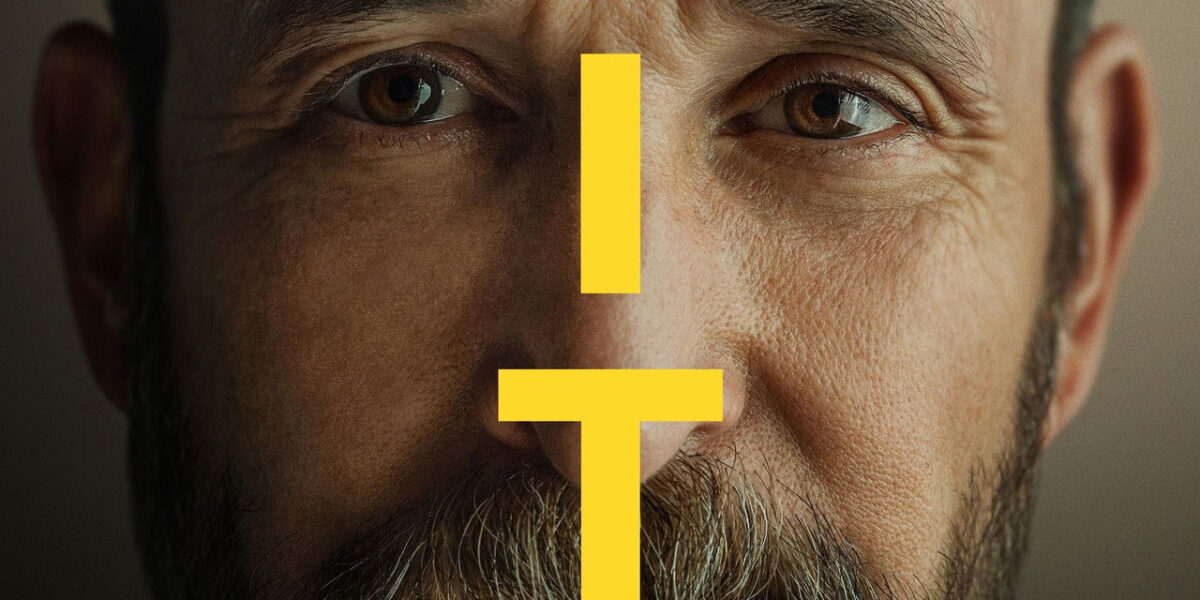
The Pitt: Ending Explained — Ultimate Breakdown
The Pitt is not merely a medical drama — it is a pressure cooker of human endurance, moral compromise, and institutional failure. Created by R. Scott Gemmill, this relentless series drops viewers into Pittsburgh’s overwhelmed Trauma Medical Center and never lets them breathe. With a TMDB score of 8.7, it has earned its reputation. This analysis dives deep into how the season finale reframes everything we witnessed across the series’ brutal, beautiful run.
The Pitt: What happens at the end
The season finale of The Pitt culminates in a night shift that refuses to end gracefully. Dr. Robby, played with quiet devastation by Noah Wyle, faces a catastrophic mass casualty event that pushes the already understaffed emergency department to its absolute breaking point. Decisions are made in seconds that would take ethicists years to untangle. The ward, metaphorically and literally, becomes a battlefield — and not everyone walks out whole.
The final sequence strips away any comfort the audience might have sought. A patient whose case has threaded through the entire season — a young man caught between bureaucratic failure and medical negligence — flatlines despite every effort. Dr. Collins, portrayed by Katherine LaNasa, delivers the news to a family in a hallway that feels unbearably small. The camera lingers on the empty gurney. It is a devastating and deliberately unheroic conclusion that refuses the catharsis of a last-minute save.
The deeper meaning
What the finale is truly about is the myth of systemic adequacy. The Trauma Medical Center is not failing because its staff lack dedication — they are extraordinary, committed, and broken by the work simultaneously. The ending refuses to locate blame in any single villain. Instead, the metaphor of the overcrowded ward becomes a portrait of an entire society that has decided some lives are worth fewer resources than others. The empty gurney is an indictment, not a eulogy.
Gemmill‘s intention seems crystalline upon reflection: he wants discomfort to outlast the runtime. By denying the audience a triumphant resolution, the series forces a confrontation with complicity. We watched, entertained, while the system the show depicts continues operating in reality. The tagline — “The work never stops” — is revealed in the finale not as inspiration but as warning. Endless labor without structural support is not heroism. It is abandonment dressed in scrubs.
Hidden details & easter eggs
Sharp-eyed viewers will notice that the clock on the trauma bay wall appears in the background of nearly every critical scene — always slightly out of frame, never quite readable. In the finale, for the first time, we see it clearly: it reads the same time as the opening scene of the pilot. This is not coincidence. It is Gemmill‘s visual argument that nothing has changed — the cycle is eternal, the trauma institutional. The shift ends, another begins, and the clock never truly moves forward for the people trapped inside this system.
Connections to the rest of the film
The series deploys foreshadowing with surgical precision. Early in the season, Dr. Robby tells an intern, “This place will ask for everything and thank you for nothing.” At the time it reads as cynical mentorship. By the finale, it functions as prophecy and self-portrait simultaneously. Similarly, a recurring visual motif — staff eating alone in fluorescent-lit break rooms — culminates in the final scene where Robby sits in that same room, utterly still, the noise of the ward continuing just beyond the door. IMDB confirms the production design team intentionally kept this space unchanged across all episodes.
Fan theories
One compelling fan theory posits that Dr. Robby is not meant to be read as a hero at all, but as a tragic figure whose competence enables the broken system to keep functioning — his excellence becoming the institution’s alibi. Evidence: every time Robby saves an impossible case, administration cites it as proof the department works. Against this: the show clearly frames his exhaustion with empathy, not critique. A second theory suggests the finale’s ambiguous final frame — Robby staring at his hands — implies an impending resignation arc that would restructure the series entirely in subsequent seasons.
FAQ
Does Dr. Robby quit at the end of The Pitt’s season finale?
The finale does not confirm a resignation. However, the closing image of Dr. Robby staring at his hands in silence is deliberately ambiguous, strongly suggesting he has reached a psychological threshold that the next season will be forced to address directly.
Who dies in the finale of The Pitt?
The most emotionally significant death is the young male patient whose case served as a throughline for the season. His death, despite the team’s efforts, is presented as a systemic failure rather than a medical one — a distinction the show makes painfully clear.
What does the ending of The Pitt mean thematically?
The ending argues that individual heroism cannot compensate for structural neglect. The refusal of a triumphant resolution is itself the message: underfunded emergency medicine is a crisis, not a backdrop for inspiring television.
Is The Pitt based on a true story?
The series is not based on a single documented event, but it draws extensively from documented realities of American emergency medicine — chronic understaffing, overcrowding, and funding shortfalls that affect trauma centers across the country every single day.
Will there be a second season of The Pitt, and what might it explore?
With three seasons already confirmed and a TMDB rating of 8.7, the series is clearly built for longevity. Based on the finale’s emotional cliffhangers, the next season will likely reckon with Robby‘s breaking point and the institutional fallout from the mass casualty event.