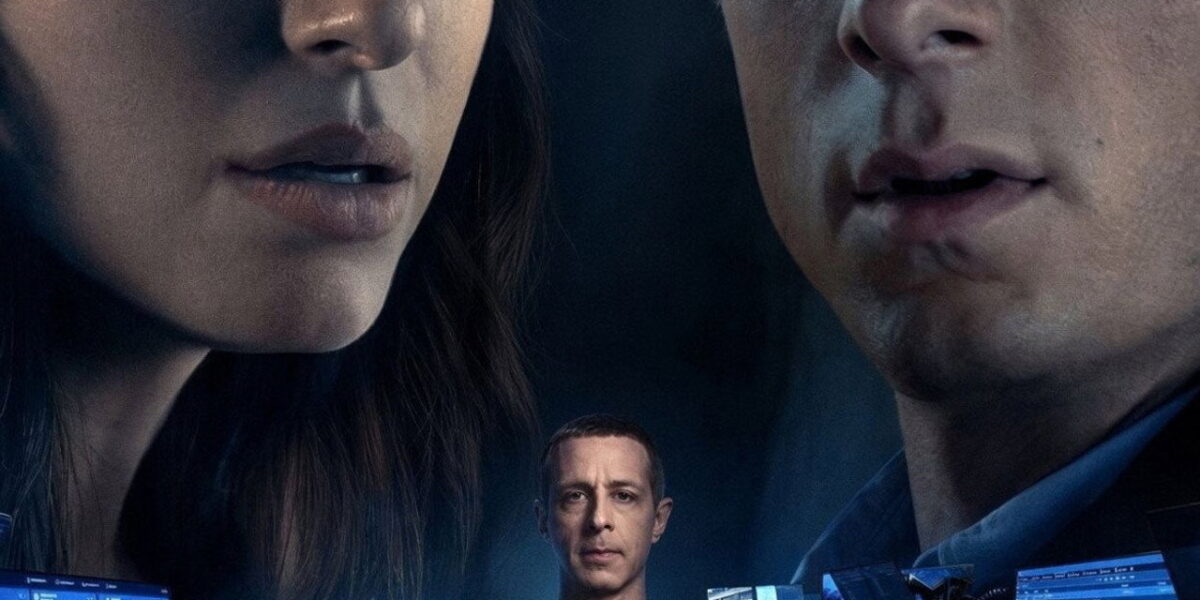
The Social Reckoning: Honest Review — Is It Worth Watching? | 8.9/10
The Social Reckoning is Aaron Sorkin doing what he does best: turning corporate malfeasance into propulsive, dialogue-drunk cinema that genuinely matters. Mikey Madison’s Frances Haugen walks into your nervous system and never leaves, making this one of the year’s essential watches if you’ve got the spine for moral complexity wrapped in a thriller’s wrapper.
| Director | Aaron Sorkin |
| Cast | Mikey Madison, Jeremy Strong, Jeremy Allen White, Betty Gilpin, Wunmi Mosaku |
| Runtime | 112 min |
| Genre | Drama, Thriller |
| Year | 2026 |
The Social Reckoning: The plot (no spoilers)
The Social Reckoning follows Frances Haugen, a young engineer at Facebook who realizes the algorithm underneath everyone’s dopamine hits is poisoning the world with surgical precision. She partners with Jeff Horwitz, a Wall Street Journal reporter, to dismantle the company’s fortress of secrets from the inside out. It’s a David-versus-Goliath story, except David has to become a spy first, which is where the genuine tension crystallizes.
The film moves like a sleek machine—part legal thriller, part psychological portrait of someone watching their conscience eat them alive from within. Sorkin strips away the tech-bro mythology and replaces it with the mundane horror of knowing something terrible and being terrified to speak it out loud, which is infinitely more unsettling than any explosion could ever be.
Acting & direction
Mikey Madison gives a performance that refuses theatricality; she’s all contained fury and trembling calculation, playing someone whose moral awakening happens in whispers and glances across conference tables. Jeremy Strong is magnetically insufferable as Mark Zuckerberg—not villainous, just absolutely hollowed out by his own ideology. Betty Gilpin and Wunmi Mosaku are weapons-grade supporting players who make every scene they touch feel like it matters.
Sorkin’s direction here is paradoxically understated; he trusts his dialogue to do the heavy lifting rather than drowning everything in rapid montages and stock-photo urgency. The cinematography is corporate-clean and deliberately cold—steel grays, sterile meeting rooms, the visual language of a place where empathy goes to die. The pacing never flags because people are constantly talking, thinking, wrestling with impossible choices, and that’s enough.
The strengths
- Madison’s performance is genuinely transformative—she makes Frances feel like someone you know, someone whose fear is your fear, which is why every scene lands with ballistic force.
- Sorkin’s screenplay refuses easy answers or villain-of-the-week theatrics, instead sitting with the suffocating reality that institutions protect themselves through bureaucracy and that moral courage often looks like paranoia from the outside.
- The supporting cast, especially Jeremy Allen White as a fellow engineer wrestling with complicity, creates a constellation of characters who feel like actual humans rather than plot delivery systems.
The weaknesses
- At 112 minutes, the film occasionally feels like it’s treading water during the second act—there are sequences where Sorkin’s trademark overlapping dialogue, while expertly performed, starts to feel like filler rather than propulsion.
- The thriller mechanics sometimes sit uncomfortably against the documentary-adjacent nature of the story, and a few manufactured tension beats feel unearned when the real tension of a whistleblower’s position is already suffocating.
Who should watch it
If you thrived on The Trial of the Chicago 7, Spotlight, or any film that turns institutional corruption into moral reckoning, this is your oxygen. Fans of psychological thrillers with real stakes and dialogue-heavy dramas that refuse to insult your intelligence should block out two hours immediately. Anyone who’s ever felt complicit in something larger than themselves will find Frances Haugen’s journey uncomfortably, necessarily personal.
Final verdict
The Social Reckoning is essential cinema for the moment we’re living through, which is precisely what makes it dangerous—not because it’s inflammatory, but because it’s honest. Sorkin has made a film about the cost of speaking truth in a system designed to bury it, and he’s cast it with actors who understand that moral crisis lives in the eyes before it reaches the voice. This isn’t comfort food, and it shouldn’t be, and that’s why you need to see it.
FAQ
Is The Social Reckoning based on a true story?
Yes, it’s inspired by Frances Haugen’s actual 2021 whistleblowing against Facebook, documented in the Wall Street Journal and the documentary The Whistleblower, though Sorkin takes dramatic liberties with timeline and character compression.
How does this compare to other Aaron Sorkin films?
It’s his most restrained work since The Trial of the Chicago 7—less West Wing sass, more suffocating moral weight, with Madison anchoring everything in genuine human vulnerability rather than ideology.
Do you need to know about Facebook’s history to follow the plot?
Not really; the film explains its own universe clearly and trusts you to understand that algorithms affecting billions of people is inherently sinister, which is all the context you actually need.
Is this political propaganda?
It’s political in the way any story about institutional power and personal conscience is political—it doesn’t demand you vote a certain way, just asks whether you’d do the same thing in Frances’s position, which is a question worth sitting with.
What’s the runtime and is it slow?
112 minutes, and while it has meditative moments, calling it “slow” misses the point; tension doesn’t require car chases, just stakes and characters you believe in, which this film has in abundance.
Scopri di più su IMDB.