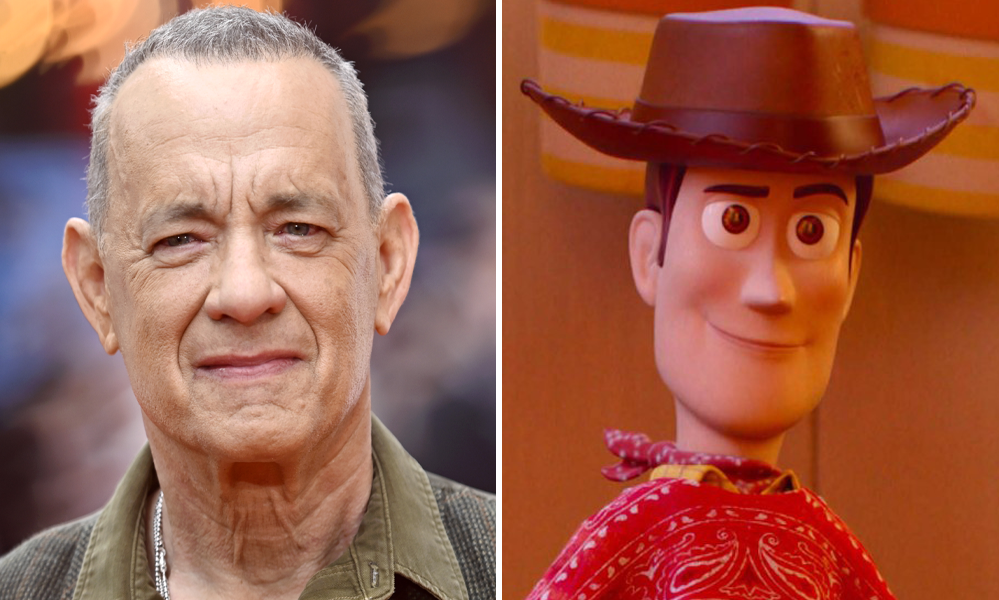
Tom Hanks Warns Disney Could Use AI to Recreate Woody’s Voice for Toy Story 6 and Beyond
Toy Story 6 AI voice recreation — Tom Hanks has raised concerns about Disney potentially using artificial intelligence to recreate Woody’s voice for future Toy Story films, should he decline to return. The two-time Oscar winner discussed this possibility amid Toy Story 5’s record-breaking $312 million worldwide opening.
Toy Story 6 AI voice recreation: The Details
During recent interviews following Toy Story 5’s massive success, Tom Hanks addressed the inevitable question about his involvement in a potential sixth installment. Rather than simply committing or refusing, Hanks acknowledged a concerning possibility that reflects broader industry anxieties: Disney could theoretically use artificial intelligence to replicate his voice performance as Woody.
The actor described this prospect as “a scary thought,” highlighting the existential concerns many in Hollywood harbor regarding AI technology. This statement carries significant weight, coming from an A-list performer who has defined one of cinema’s most beloved characters across three decades. Hanks’ candor suggests growing awareness among established actors about technological threats to their long-term career viability and legacy control.
The comments arrive at a pivotal moment for the Toy Story franchise. With Toy Story 5 setting franchise records, Disney executives are undoubtedly considering continuation strategies. Hanks’ willingness to voice this concern publicly may signal negotiations ahead or personal contemplation about his character’s future beyond his involvement.
What This Means for Cinema
Hanks’ statement illuminates a critical intersection between entertainment technology and performer rights. The possibility of AI voice recreation raises profound questions about creative ownership, artistic integrity, and actor compensation. If studios can replicate iconic performances without original performers, it fundamentally restructures the economic relationship between talent and studios.
This development could accelerate industry-wide conversations about AI usage agreements in contracts. Major film unions and actor guilds will likely intensify discussions about protecting voice performances, likeness rights, and digital representation. The precedent established with Toy Story—one of Hollywood’s most lucrative franchises—could influence how entire industries approach talent management moving forward.
For audiences, the implications are equally significant. Authentic voice acting carries emotional weight and cultural value that’s difficult to replicate, even with advanced AI. The potential loss of original performances could diminish the artistic experience and fan connection to beloved characters.
What We Know So Far
- Toy Story 5 achieved a $312 million worldwide opening, setting a franchise record
- Tom Hanks has voiced Woody since the franchise’s 1995 inception across 31 years
- Hanks is a two-time Academy Award winner with significant industry leverage
- Disney has begun exploring AI technology for various production applications
- The actor explicitly characterized AI voice recreation as concerning and unsettling
What’s Still Unknown
- Whether Tom Hanks intends to return for Toy Story 6 or has committed to walking away
- Disney’s actual plans regarding AI implementation for future Toy Story projects
- How major actors’ unions will formally address AI voice recreation in upcoming negotiations
- Whether Hanks’ comments will influence other Hollywood performers to publicly discuss similar concerns
As the entertainment industry grapples with artificial intelligence’s rapid advancement, Tom Hanks’ cautionary remarks serve as a stark reminder that technological progress demands careful ethical consideration. The Toy Story franchise’s future—whether it includes the original voice talent or AI-generated alternatives—will likely set important precedents for Hollywood’s relationship with emerging technology.
For now, audiences await clarity on whether Hanks will return for Toy Story 6. His concerns about AI reconstruction suggest this decision may involve negotiations far more complex than simple creative interest, potentially shaping industry standards for years ahead.