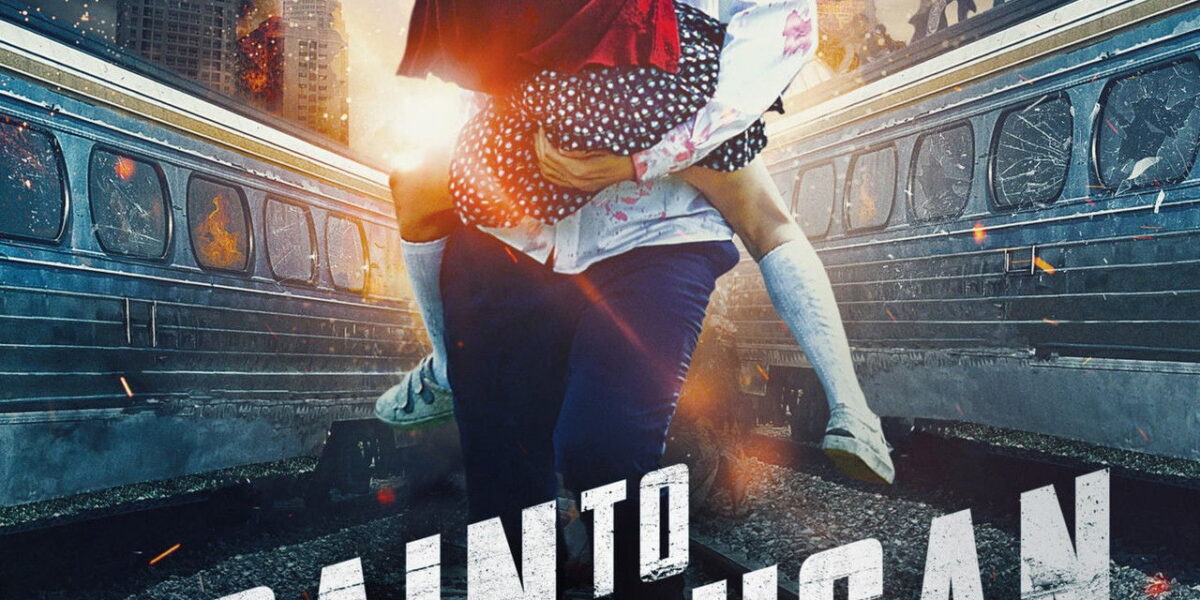
Train to Busan: Honest Review — Is It Worth Watching? | 7.8/10
Train to Busan is a brutal, propulsive zombie thriller that traps you in a metal coffin hurtling toward hell—and you won’t look away for a second. This is survival horror that actually understands how to build dread: it locks down the premise, cranks up the pressure, and never lets you breathe until the final frame.
| Director | Yeon Sang-ho |
| Cast | Gong Yoo, Kim Su-an, Jung Yu-mi, Don Lee, Choi Woo-shik |
| Runtime | 118 minutes |
| Genre | Action, Horror, Thriller |
| Year | 2016 |
Train to Busan: The plot (no spoilers)
Train to Busan traps a cross-section of Korean society on an express train just as a zombie outbreak tears through the country, and the only safe destination is the southern port city everyone’s racing toward. What makes this premise sing isn’t the undead themselves—it’s the fact that you can’t run, can’t hide properly, and can’t escape because physics and speed are working against you. The film uses the train as both setting and metaphor: a metal tube hurtling forward while chaos breeds inside.
The movie establishes tone immediately—this isn’t campy zombie fun or dark comedy, it’s full-throated survival dread where every door is a potential kill zone. Yeon Sang-ho wastes zero time on exposition and instead lets you piece together the apocalypse through frantic phone calls and glimpses of burning cities outside windows. You board this train expecting thrills, but what you get is something far more uncomfortable: a social hierarchy collapsing in real time, measured in carriage lengths and locked gates.
Acting & direction
Gong Yoo carries the film as a distant, self-absorbed father forced into heroism, and his arc from indifference to sacrifice feels earned because he never becomes a movie hero—he just becomes necessary. Kim Su-an as his daughter is heartbreaking without ever being precious or manipulative, and their relationship forms the emotional spine that keeps the carnage from feeling hollow. Don Lee as a working-class heavyweight provides both comic relief and genuine pathos, making every sacrifice sting harder when it comes.
Yeon Sang-ho’s direction is surgical: he doesn’t linger on gore for shock value but uses violence to communicate threat and speed, cutting with precision that keeps momentum relentless. The cinematography trades glossy production design for functional ugliness—fluorescent lights, beige interiors, emergency lighting—which makes the terror feel tactile and intimate. His score pulses rather than screams, letting the train’s rhythm and passenger screams do the psychological heavy lifting, which is infinitely more effective than orchestra swells.
The strengths
- The claustrophobia is weaponized perfectly—there’s nowhere to run and the geography of escape becomes a constant, maddening puzzle that mirrors our own helplessness.
- The film refuses to let you like everyone equally, and the moment certain characters reveal their true nature, the social order collapses in ways that feel disturbingly realistic and way more threatening than any zombie.
- Pacing is absolutely relentless without ever feeling exhausting; Yeon Sang-ho knows when to pump the brakes for character moments, making the sprints genuinely cathartic rather than numbing.
- The zombies themselves move with unsettling, twitchy physicality that reads as contagion and loss of control rather than just reanimated corpses, which cranks up the body horror significantly.
The weaknesses
- Some of the social commentary about class and sacrifice gets a bit on-the-nose in the final act, trading ambiguity for message in ways that feel slightly didactic and underestimate the audience’s intelligence.
- A couple of character decisions strain credibility even within the film’s internal logic, particularly around why certain people trust or betray others based on thin justification, which occasionally pulls you out of momentum.
Who should watch it
If you’re hungry for zombie horror that treats the premise as constraint rather than excuse, this is mandatory viewing—think of it as what 28 Days Later did for infection narratives but locked inside a metal box hurtling at speed. Anyone who appreciates action thrillers with actual character work will find the emotional beats land harder because the film earns them, and genre fans tired of spectacle-first storytelling will recognize a filmmaker who understands that survival horror lives in the spaces between kills, in faces, in impossible choices.
Final verdict
Train to Busan is a legitimately brilliant piece of genre filmmaking that weaponizes setting, constraints, and social collapse into something genuinely unbearable to watch in the best way possible. The film respects your intelligence enough to layer zombie apocalypse with character tragedy and collective panic, never letting you settle into comfortable thrills. At 118 minutes it never drags, and honestly I’d have sat through another hour of this because Yeon Sang-ho has created something that understands horror isn’t about what you see but about what you can’t escape from, literally and psychologically. This is essential viewing for anyone who thinks zombie fiction died with The Walking Dead’s first season.
FAQ
Is Train to Busan really as good as people say?
Yes—it’s one of the best zombie films ever made because it treats the premise as a pressure cooker rather than just an excuse for action sequences, and it builds emotional investment that makes the violence actually mean something beyond spectacle.
How does this compare to other Korean horror films?
Train to Busan is more purely entertaining than something like A Tale of Two Sisters, but equally crafted; it succeeds by being accessible without sacrificing intelligence or depth, which is rarer than you’d think in genre cinema.
Is there gore, and how graphic is it?
The film contains significant violence and some brutal kills, but it’s not gratuitous—gore serves narrative rather than existing for its own sake, which actually makes it feel more impactful than more explicit productions.
Does the ending feel earned or manipulative?
The ending commits fully to emotional stakes and resists cheap cop-outs; it’s devastating but narratively consistent with everything that came before, which makes it feel inevitable rather than imposed.
Will I be stressed the entire runtime?
Absolutely, and that’s the point—Yeon Sang-ho doesn’t let you settle into comfortable rhythms, though the film punctuates intensity with character moments that provide brief oxygen before the pressure builds again.
Scopri di più su IMDB.