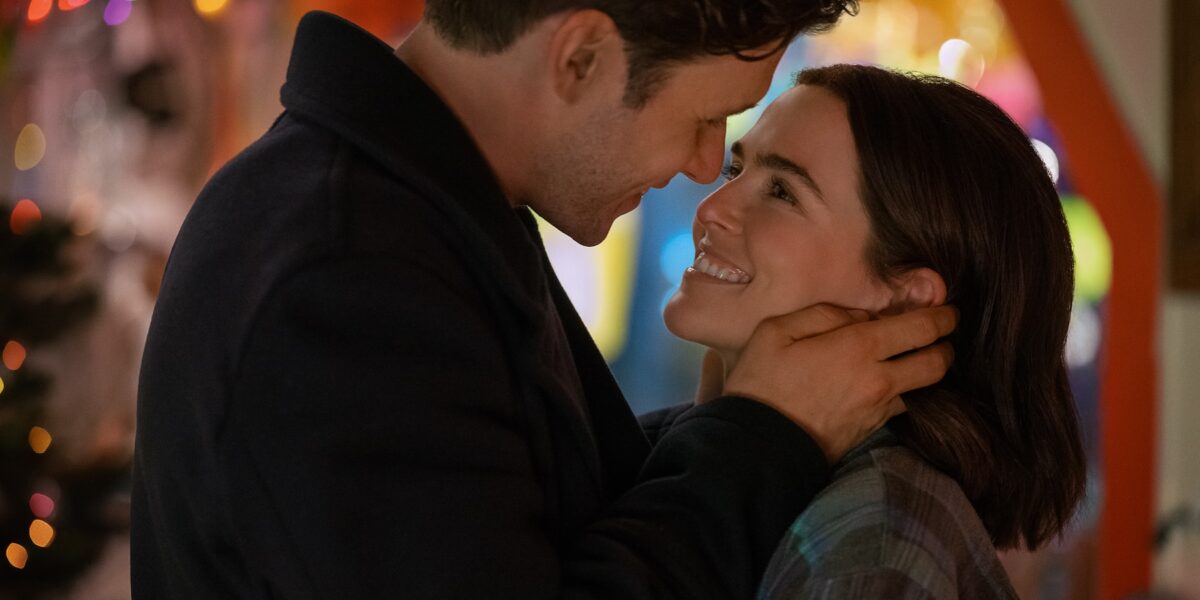
Voicemails for Isabelle: How Leah McKendrick’s Direction Transformed Netflix’s Delayed Rom-Com
Voicemails for Isabelle Netflix rom-com — Netflix’s latest romantic comedy “Voicemails for Isabelle” starring Zoey Deutch premiered last Friday after nearly eight years of development. Screenwriter-turned-director Leah McKendrick made significant script revisions, fundamentally reshaping the narrative around themes of forgiveness, grief, and personal redemption that define this unexpected genre entry.
Voicemails for Isabelle Netflix rom-com: The Details
“Voicemails for Isabelle” represents a unique case study in modern filmmaking, where a project’s long gestation period directly influenced its artistic vision. What began as a traditional romantic comedy script underwent substantial transformation when McKendrick transitioned from screenwriter to director. This shift wasn’t merely administrative—it fundamentally altered the emotional core of the narrative, introducing deeper psychological complexity to what might have been a straightforward love story.
The film centers on a protagonist navigating unexpected voicemails that force confrontation with her past. Rather than treating forgiveness as a subplot, McKendrick elevated it to thematic prominence. Zoey Deutch’s performance anchors the story, portraying a woman grappling with genuine grief alongside romantic reconnection. The actress brings nuance to what could have been a one-dimensional character, exploring how personal loss shapes romantic relationships.
The character of Wes presented particular creative challenges. In earlier script iterations, this character likely functioned as a conventional romantic obstacle or catalyst. McKendrick’s revisions contextualized his actions within a framework of mutual misunderstanding rather than malice, allowing audiences—and the protagonist—to extend forgiveness rooted in empathy rather than mere plot convenience.
Jill’s grief arc emerged as another significant addition during development. Rather than minimizing supporting character trauma, McKendrick ensured secondary narratives carried authentic emotional weight, demonstrating how loss ripples through multiple lives simultaneously.
What This Means for Cinema
“Voicemails for Isabelle” signals an evolution in streaming rom-com production philosophy. Netflix’s willingness to greenlight an eight-year development cycle suggests confidence in character-driven narratives over formulaic content. McKendrick’s transition from writer to director establishes a model where creative vision deepens rather than dilutes during extended development periods.
The film’s emphasis on grief within romantic comedy challenges genre conventions that historically minimize existential pain. By prioritizing authentic emotional processing alongside romantic fulfillment, “Voicemails for Isabelle” acknowledges that healing relationships requires confronting unresolved trauma. This approach potentially influences how streaming platforms greenlight and develop future romantic projects, favoring psychological depth over surface-level entertainment.
Deutch’s casting demonstrates streaming services’ continued investment in establishing actors capable of anchoring intimate character studies. Her presence lends credibility to complex emotional material, signaling that rom-com audiences increasingly demand substantive performances.
What We Know So Far
- “Voicemails for Isabelle” premiered on Netflix following approximately eight years of development and script revisions
- Leah McKendrick transitioned from screenwriter to director, fundamentally reshaping the narrative’s emotional architecture
- The film explores themes of forgiveness, grief, and personal redemption alongside romantic storylines
- Zoey Deutch stars in the lead role, portraying a woman confronting her past through mysterious voicemails
- The character Wes underwent significant revision to present a more nuanced, empathy-based narrative framework
What’s Still Unknown
- Specific details regarding which script revisions most substantially altered the original narrative structure
- Whether additional cast changes occurred during the eight-year development period
- McKendrick’s complete vision for the project and how it evolved from initial conception to final execution
For more information, visit Netflix’s official streaming platform and the film’s IMDb page for additional details about “Voicemails for Isabelle.”