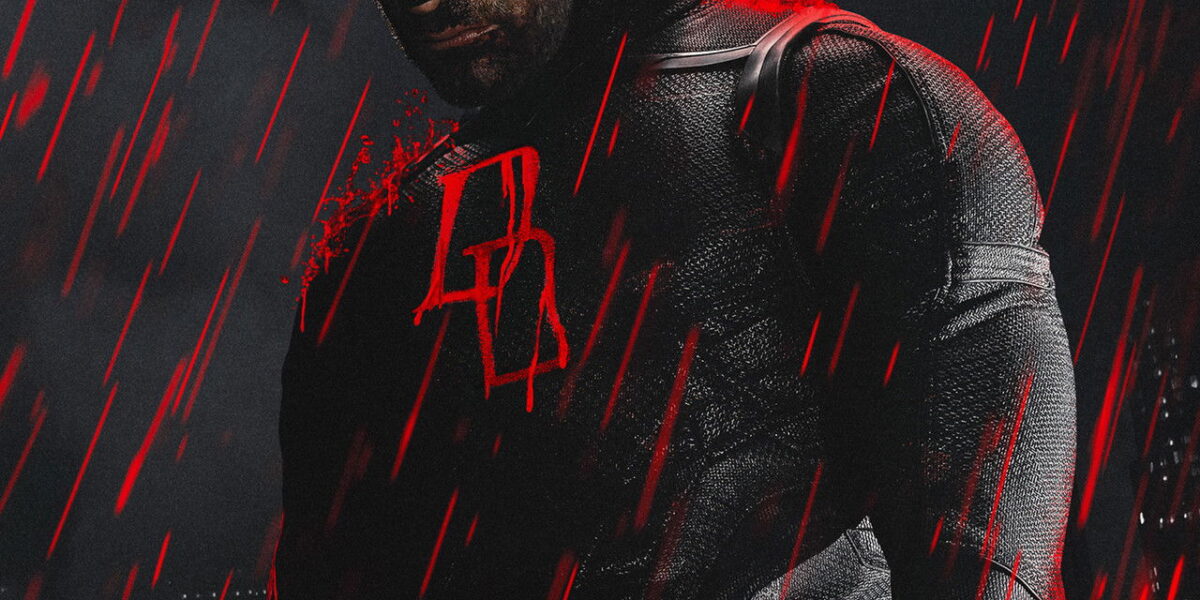
Daredevil: Born Again: Ending Explained — Ultimate Breakdown
Daredevil: Born Again is not simply a superhero revival — it is a reckoning. When Matt Murdock and Wilson Fisk are dragged back into each other’s orbit, the show asks a question that cuts to the bone: can a man truly reinvent himself, or does identity always find its way home? This analysis peels back the final act’s layers to reveal what the ending truly demands from its audience.
Daredevil: Born Again: What happens at the end
The season reaches its climax as Matt Murdock‘s dual life as a blind attorney and the devil of Hell’s Kitchen becomes impossible to contain. His law firm, once a sanctuary of justice, transforms into the epicenter of a city-wide crisis. Wilson Fisk, having maneuvered himself into political power with terrifying elegance, finally drops the mask of civic respectability. The collision between these two men — promised since the first frame — arrives with the full weight of years of accumulated tension and unresolved violence.
What makes the finale devastating is not the physical confrontation alone, but the revelation of how deeply both men have been shaped by their choices. Karen Page‘s return carries enormous emotional consequence, forcing Matt to confront grief he had buried beneath purpose. Bullseye, portrayed with terrifying precision by Wilson Bethel, re-enters the equation as a wildcard whose loyalties collapse into pure, weaponized obsession, destabilizing every alliance and turning the endgame into something genuinely unpredictable and morally complex.
The deeper meaning
At its core, the ending is a meditation on the myth of rebirth. The title itself — Born Again — is a theological promise and a trap simultaneously. Both Fisk and Murdock believe they have transcended their former selves, yet the finale demonstrates with surgical clarity that transformation without confronting one’s shadow is merely costume. The show argues that true resurrection demands not escape from the past, but a willingness to be destroyed by it and rebuilt with full awareness of what you carry.
The creators — Dario Scardapane, Chris Ord, and Matt Corman — appear deeply invested in the idea that justice and power are not opposites but mirrors. Fisk‘s political ascent reframes villainy as systemic rather than personal, forcing the audience to recognize that the city itself is complicit. By closing on ambiguity rather than triumph, the creative team refuses the comfort of a clean moral verdict, demanding that viewers sit with the discomfort of an unresolved world.
Hidden details & easter eggs
Sharp-eyed viewers will notice that the color palette of the finale deliberately echoes the red-and-black aesthetic of Frank Miller’s original comics run, the very source material that gave Born Again its title and its theology of suffering. The recurring motif of broken glass — windows, mirrors, picture frames — functions as a visual metaphor for fractured identity throughout the season, and in the finale these images accumulate until the final shot delivers its meaning with stunning economy. Nothing in this show’s visual grammar is accidental or decorative.
Connections to the rest of the film
The show plants its foreshadowing with remarkable patience. Early episodes establish Fisk‘s political rhetoric as a performance of control, and the finale reveals that every public speech was in fact a private message directed at Murdock. Similarly, Margarita Levieva‘s character arc functions as a structural mirror to Matt‘s own crisis of faith — both are people who chose a side and must now live inside the consequences of that choice with no guarantee of redemption waiting on the other side.
Fan theories
One compelling theory holds that Fisk‘s mayoral campaign was always designed to fail — that he deliberately engineered his own exposure as a means of luring Daredevil into a final, definitive confrontation on his terms rather than the hero’s. The evidence lies in the almost theatrical nature of his unmasking. A counter-reading insists Fisk genuinely believed in his reinvention, making his fall genuinely tragic. A third interpretation, darker still, suggests the finale’s ambiguity intentionally refuses to resolve who truly won, because in a corrupt system, neither man can claim clean victory. You can explore cast and episode details on IMDB.
FAQ
Does Daredevil defeat Kingpin at the end of Born Again?
The confrontation between Matt Murdock and Wilson Fisk does not end in a clean defeat for either side. The show deliberately withholds a definitive victory, closing instead on a state of unstable tension that reflects the messy reality of justice versus power in a corrupt city.
Does Karen Page survive in Born Again?
Karen Page, played by Deborah Ann Woll, returns in a capacity that carries significant emotional weight for Matt‘s arc. Her presence reopens wounds the show had left to scar over, and her fate is handled with the kind of narrative gravity that refuses easy resolution or cheap sentimentality.
What role does Bullseye play in the finale?
Bullseye, portrayed by Wilson Bethel, functions as the season’s most volatile element — a character whose psychological fracture makes him immune to the alliances that constrain everyone else, making him the unpredictable force that shatters the careful chess game both Murdock and Fisk have been playing.
What does the title Born Again mean for the ending?
The title reframes the finale as a theological question: rebirth is only genuine when it survives contact with the past self. Both central characters believe they have been reborn, and the ending tests that belief by forcing each man back into the identity he tried to leave behind, with brutal and revealing consequences.
Will there be a second season continuing from this ending?
With two seasons confirmed and a TMDB rating of 8.0, the show has clearly established both audience appetite and narrative foundations for continuation. The deliberately open ending is structured to function as both a satisfying close and a compelling launching point for whatever confrontation comes next.