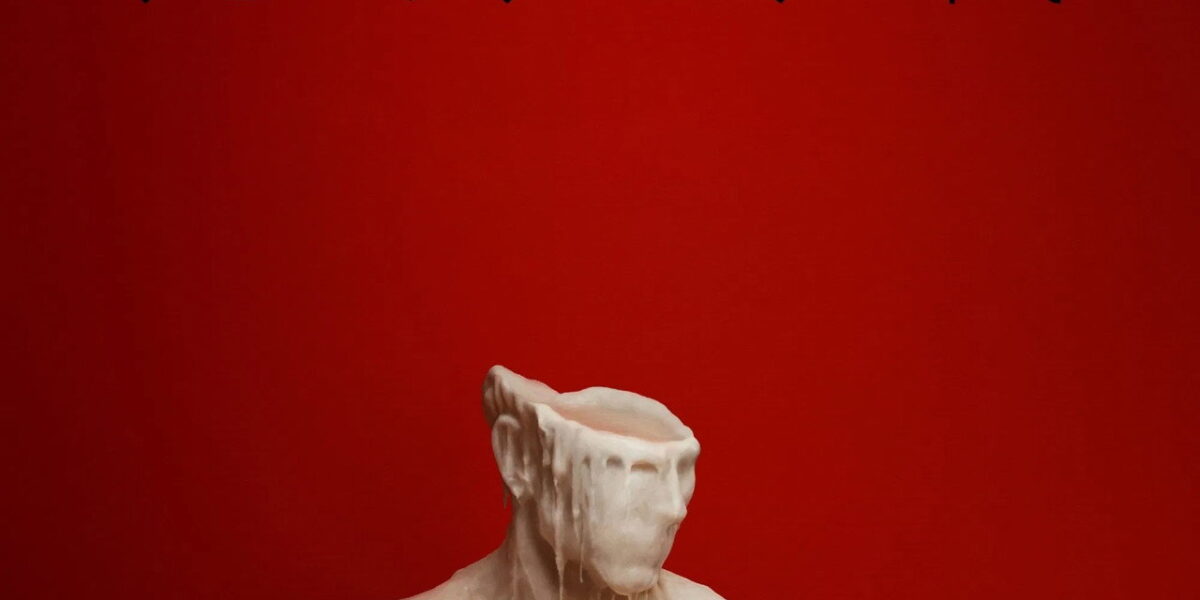
Resurrection: Honest Review — Is It Worth Watching? | 6.8/10
Resurrection is a visually intoxicating but narratively scattered meditation on what we lose when we trade mortality for permanence, and it’s absolutely worth watching if you’re patient enough to let Bi Gan’s dreamscapes wash over you without demanding linear sense. This isn’t a film that rewards plot-chasing; it rewards surrender.
| Director | Bi Gan |
| Cast | Jackson Yee, Shu Qi, Mark Chao, Li Gengxi, Huang Jue |
| Runtime | 159 minutes |
| Genre | Science Fiction, Drama |
| Year | 2025 |
Resurrection: The plot (no spoilers)
Resurrection plunges us into a future where humanity has made the ultimate bargain: surrender your capacity to dream and you get to live forever. An unnamed outcast—haunted, bitter, searching—begins constructing his own private universe of hallucinations and nightmares, a space where he can feel alive in ways the dreamless immortals never will. It’s a premise dripping with existential weight, and Bi Gan treats it like a fever dream rather than a thesis.
The film doesn’t unwind chronologically or with conventional narrative scaffolding; instead, it spirals inward and sideways, pulling us deeper into the protagonist’s fractured consciousness with each scene. You’ll encounter moments of startling beauty—neon-soaked cityscapes, bodies moving through water, impossible architecture—but also stretches where the story dissolves into pure image and sensation, which either enchants you or exhausts you depending on your tolerance for oblique storytelling.
Acting & direction
Jackson Yee carries the film with a glacial intensity, his face a mask of barely suppressed anguish and wonder as he navigates between the sterile immortal world and his own created chaos. Shu Qi emerges as a phantom presence, luminous and tragic, while Mark Chao brings a simmering menace to his scenes. The supporting cast orbits the story like satellites, present but never quite solid, which feels intentional rather than accidental.
Bi Gan’s direction is audacious—he drenches every frame in color theory and geometric precision, treating the camera less as a window and more as a paintbrush. The pacing is glacial, sometimes gorgeous, sometimes grinding; the score wraps around dialogue like fog, and the editing favors long, unbroken shots over quick cuts, forcing you to sit with discomfort. This is cinema that demands your attention be active, not passive.
The strengths
- The visual language is genuinely stunning, with production design that makes you believe a future built on the corpse of human imagination could still look transcendent.
- The central philosophical question—what is a life without the ability to dream or imagine—gnaws at you hours after the credits roll, which is exactly what sci-fi should do.
- Jackson Yee‘s performance carries an undertone of barely contained rage and longing that makes the quiet moments feel charged with danger.
- Bi Gan refuses to spell anything out or provide comfortable emotional arcs, which is either brave or frustrating depending on your mood.
The weaknesses
- At 159 minutes, the film stretches its conceptual reach beyond what the narrative can sustain, and there are long passages where visual style substitutes for emotional depth rather than complementing it.
- The dialogue often feels subordinate to the mise-en-scène, leaving character relationships murky and motivations frustratingly vague even when clarity might have strengthened the impact.
- The film’s ambiguity, while thematically coherent, occasionally tips into self-indulgence, asking you to supply meaning where the story itself hasn’t earned the weight of that demand.
Who should watch it
This is strictly for viewers who’ve made peace with arthouse science fiction that prioritizes mood and image over plot mechanics. If you loved Annihilation‘s opaque dread or Tarkovsky’s patient metaphysical wanderings, you’ll find kindred energy here. Avoid if you need your narratives to be legible or your character arcs to follow recognizable shapes. Bi Gan isn’t interested in accessibility; he’s interested in texture and silence and the spaces between thoughts.
Final verdict
Resurrection is a film that bites off more than it can chew, but at least it’s chewing with conviction and gorgeous cinematography. Bi Gan has made something that feels genuinely unusual in the landscape of contemporary science fiction—a work that trusts ambiguity and visual poetry over exposition. The 6.8 rating is generous and harsh simultaneously; it’s a film that will click immediately for some and feel like a pretentious slog for others, and both reactions are defensible. If you’re patient, curious, and comfortable sitting in uncertainty, this is essential viewing. If you’re not, you’ll resent every one of those 159 minutes.
FAQ
What is Resurrection about?
Set in a future where humanity traded dreams for immortality, the film follows an outcast who constructs his own hallucinatory world to feel what the dreamless masses cannot.
Is Resurrection worth watching?
Yes, if you embrace arthouse sci-fi and visual storytelling over conventional narrative. It’s visually stunning but narratively demanding and occasionally impenetrable.
Who plays the lead in Resurrection?
Jackson Yee carries the film as the unnamed protagonist, delivering a quietly intense performance that grounds the abstract premise.
How long is the film?
Resurrection runs 159 minutes, which feels both necessary and excessive depending on when Bi Gan’s pacing either captivates or tests your patience.
Is this a Chinese film?
Yes, directed by Bi Gan (original title: 狂野时代), it’s a major entry in contemporary Chinese cinema with an international cast and themes.