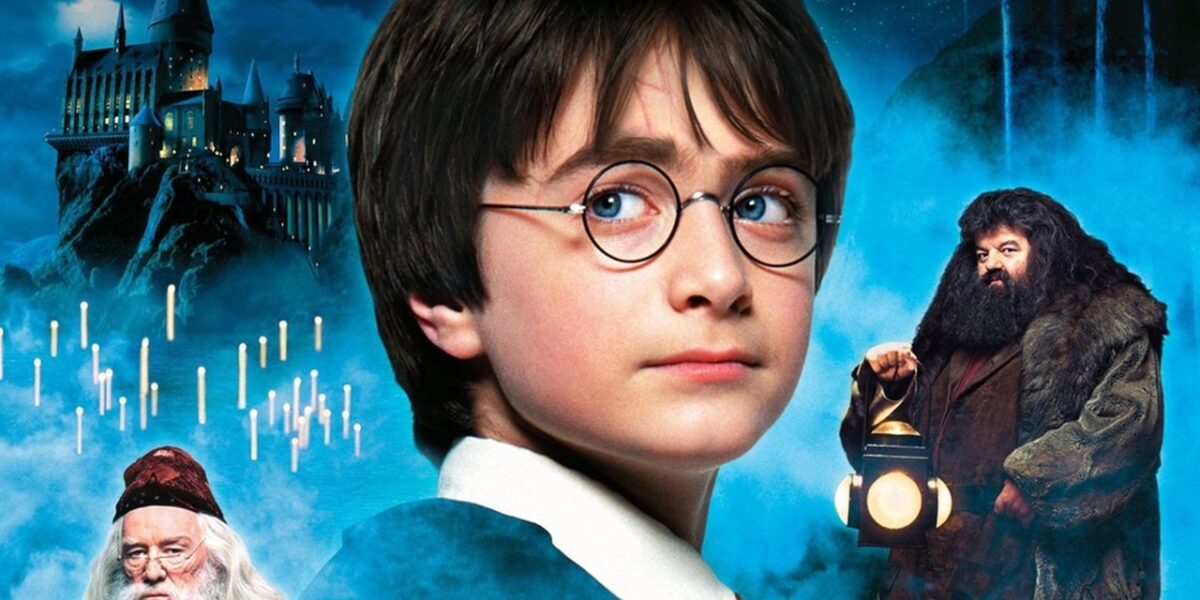
Harry Potter and the Philosopher’s Stone: Honest Review — Is It Worth Watching? | 7.9/10
Harry Potter and the Philosopher’s Stone is exactly what a studio tentpole should be: faithful, technically competent, and utterly devoid of the visual daring that might have elevated it beyond a lavish illustrated book report. Columbus delivers a safe, beautifully appointed entry point into the wizarding world, which is frustrating precisely because you sense a bolder director lurking beneath the surface.
| Director | Chris Columbus |
| Cast | Daniel Radcliffe, Rupert Grint, Emma Watson, Richard Harris, Tom Felton |
| Runtime | 152 minutes |
| Genre | Fantasy Adventure |
| Year | 2001 |
The plot (no spoilers)
Harry Potter and the Philosopher’s Stone follows an orphaned kid yanked from suburban purgatory into a hidden magical realm where he discovers his dead parents were basically celebrity rebels who died stopping a dark lord. The premise is catnip for anyone who’s ever daydreamed of escape through a magical door, and Rowling’s scaffolding here is genuinely clever—mysteries nested inside mysteries, worldbuilding that doesn’t scream exposition at you.
The film translates this into a visually sumptuous boarding school mystery with a stakes-raising final act twist that still lands pretty hard, even if you can see it telegraphed from the Astronomy Tower. Columbus bathes everything in golden hour nostalgia and British production design, creating a tone that’s cozy rather than threatening, which works for the younger half of the audience but deflates any real danger the narrative tries to build toward its climax.
Acting & direction
Daniel Radcliffe is genuinely affecting as the bewildered protagonist, landing a sweetness that keeps Harry from becoming just another generic chosen one, though his line readings occasionally betray his age and inexperience in ways that won’t disappear until film three. Emma Watson and Rupert Grint slot in as his companions with natural chemistry, and Richard Harris brings Shakespearean gravitas to Dumbledore that makes you wish the script gave him more to do than deliver cryptic one-liners while peering over his glasses.
Columbus’s direction is the cinematic equivalent of a faithful museum restoration—technically immaculate but emotionally restrained, all careful framing and dutiful scene construction that prioritizes visual clarity over atmospheric risk. John Williams’s score predictably sweeps in to do the emotional heavy lifting that the visuals won’t attempt, and while it’s lovely orchestral work, it also lets the picture off the hook for generating genuine wonder through composition alone; the cinematography is competent but never revelatory, and the pacing drags in the middle act despite the 152-minute runtime demanding constant momentum.
The strengths
- The production design is genuinely transporting, with Hogwarts feeling like an actual space you could stumble through rather than a digital showpiece constructed for maximum Instagram appeal.
- The film’s fidelity to the source material gives it a completeness that prevents the narrative from feeling rushed or arbitrarily truncated, even if that fidelity occasionally works against cinematic pacing and visual storytelling.
- The younger cast finds authentic chemistry and charm that carries the lighter moments, making the friendships feel earned rather than mandated by screenplay obligation.
- John Williams’s orchestration elevates every magical moment into something genuinely soaring, providing the emotional resonance that the visuals alone cannot quite achieve.
The weaknesses
- Columbus plays everything so safely that the film becomes a procedural checklist of plot beats rather than an immersive experience, ticking boxes for fans without inviting newcomers to feel the genuine discovery of magic.
- The climactic confrontation with Voldemort feels anticlimactic and visually inert compared to the buildup, landing with the dramatic weight of a feather dropped into still water rather than creating genuine peril or wonder.
- At two hours and thirty-two minutes, the runtime allows Columbus to include every detail while simultaneously giving him no room for the kind of breathing space that turns competence into artistry.
- The child actors, while charming, occasionally buckle under the weight of exposition-heavy dialogue, particularly in scenes requiring them to deliver information without the natural delivery that real kids would bring.
Who should watch it
This film is essential viewing for fantasy adventure devotees, obvious catnip for Potterheads of all ages, and a competent entry point for anyone wanting to understand what the entire cultural phenomenon was about without committing to all seven sequels. If you loved dark fantasy films with actual visual audacity like Guillermo del Toro’s work or the genuine magic-system worldbuilding of something like The Chronicles of Narnia, you might find Columbus’s reverent, play-it-safe approach slightly suffocating, but families and franchise newcomers will find plenty to enchant them here.
Final verdict
Harry Potter and the Philosopher’s Stone is a solidly constructed piece of blockbuster machinery that respects its source material enough to avoid actively betraying it, which in the early-2000s tentpole landscape was apparently revolutionary enough to print money and launch a billion-dollar franchise. It’s worth watching as both a cultural artifact and a genuinely charming fantasy yarn, but it’s also a missed opportunity—Columbus had the budget and canvas to do something visually daring, and instead chose the safe route of adaptation-as-documentation, which is competent filmmaking but ultimately forgettable cinema.
FAQ
Is Harry Potter and the Philosopher’s Stone worth watching in 2024?
Yes, absolutely—it’s a charmingly crafted fantasy adventure that holds up far better than its technical ambitions might suggest, though younger viewers will connect more deeply than adults seeking genuine cinematic innovation.
How does Chris Columbus’s direction compare to later Potter films?
Columbus plays it safest here before gradually loosening up in Chamber of Secrets, though he never quite matches the visual inventiveness that Alfonso Cuarón or David Yates would bring to the franchise later on.
Can you watch this without reading the book?
Completely—the film is self-contained and explains its own mythology clearly, though book readers will appreciate the attention to detail that casual viewers might sail right past.
Why is the runtime so long?
Columbus wanted to include as much of Rowling’s novel as possible, which sacrifices pacing in service of completeness; a tighter cut around 120 minutes would actually improve the theatrical rhythm considerably.
Does the ending tie up all loose ends?
Mostly—it resolves the immediate mystery satisfyingly while leaving breadcrumbs for the sequels to follow, which is exactly what franchise architecture demands even if it occasionally feels like artificial setup.
Tags: Harry Potter, fantasy film, Chris Columbus, Daniel Radcliffe, film review
Scopri di più su IMDB.