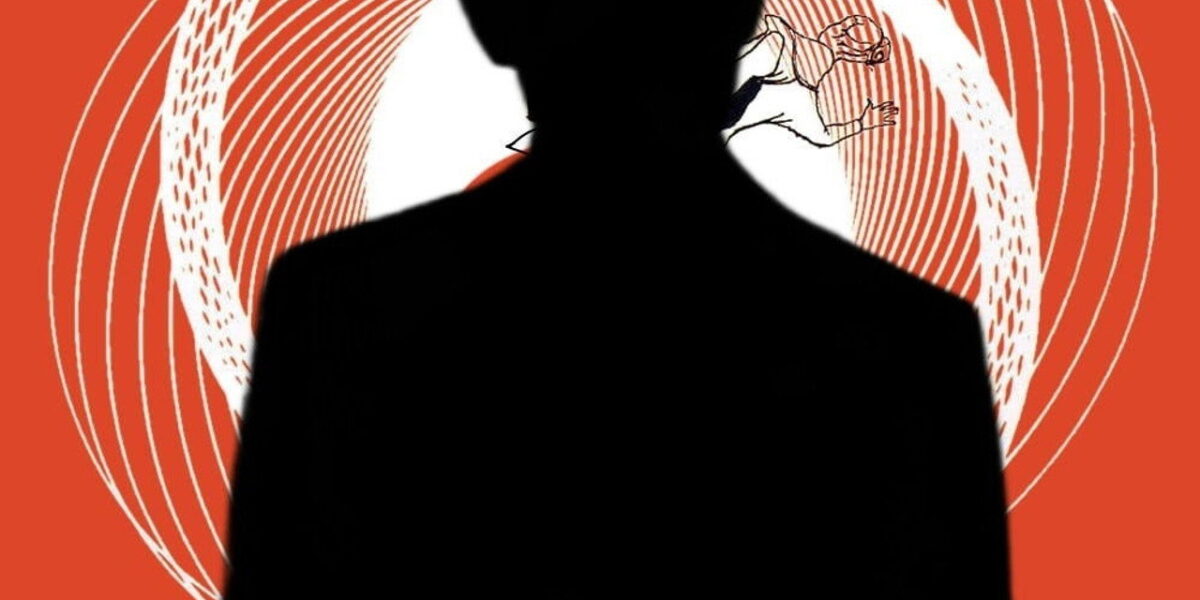
Kim Novak’s Vertigo: Honest Review — Is It Worth Watching? | 0.0/10
Kim Novak’s Vertigo is a rare gift: a documentary that finally lets its subject breathe without the weight of a dead auteur pressing down on her shoulders. Alexandre O. Philippe’s meditation on beauty, complicity, and artistic resurrection isn’t flashy or revelatory in the tabloid sense, but it’s genuinely moving and infinitely more respectful than Novak deserves to be treated after decades of erasure.
| Director | Alexandre O. Philippe |
| Cast | Kim Novak, Alexandre O. Philippe |
| Runtime | 77 minutes |
| Genre | Documentary, Biography |
| Year | 2026 |
The plot (no spoilers)
Kim Novak’s Vertigo traces the life of an actress who became a symbol, then a ghost, then finally—maybe—a woman again. The film moves backward and forward through time, examining how Hitchcock’s masterpiece essentially consumed her public identity and left her to rebuild herself in the American wilderness. It’s part love letter to her artistry, part archaeological dig into what we do to beautiful women in cinema.
The movie operates in a contemplative register rather than a gossipy one, which might disappoint viewers hunting for dirt or scandal. Instead, the film gives you Novak’s own voice—weathered, honest, sometimes wry—alongside archival material that reveals the machinery of Hollywood’s machinery. It’s intimate without being invasive, and that’s a radical choice for a documentary in 2026.
Acting & direction
Kim Novak herself is the performance here, and she’s extraordinary: guarded yet increasingly open as the film progresses, funny in unexpected moments, and brutally clear-eyed about the bargains she made. She doesn’t perform victimhood or false wisdom; she simply exists on camera as a woman who survived something most of us will never understand. The camera loves her differently than Hitchcock’s did—there’s tenderness instead of obsession.
Philippe’s direction is restrained and intelligent, which is precisely what the material needs. He lets silences breathe, allows photographs to linger, trusts the audience to sit with discomfort and nuance. The pacing is deliberate; some might call it slow, but I’d argue it’s meditative. The archival sequences are woven in without that documentary cliché of building toward some grand revelation—instead, they create a palimpsest of identity.
The strengths
- The film refuses to position Novak as either victim or villain, instead honoring her as a complex person who made choices within constrained circumstances.
- The cinematography of her Oregon home—misty, forested, quiet—creates a visual counterpoint to the Technicolor gloss of Vertigo that feels almost like healing.
- Philippe’s decision to keep the runtime short means there’s no padding, no unnecessary biographical filler; every image and conversation serves the thematic core.
The weaknesses
- Some viewers will find the pacing too contemplative for what is essentially a single-subject portrait, and the film doesn’t provide the narrative arc or shocking information that typically drives documentary interest.
- The film could have engaged more directly with the feminist critiques of Vertigo itself—there’s a missed opportunity to explicitly connect Hitchcock’s artistic vision to the real harm it did to a real woman’s career and psyche.
Who should watch it
This is essential viewing for anyone who loves Vertigo, obviously, but more broadly it speaks to audiences interested in **biographical documentary**, the intersection of art and exploitation, and cinema history told from the margins. If you’ve watched Sunset Boulevard or The Girlfriend Experience and thought about the cost of beauty in Hollywood, this film is mandatory. It’s for people who believe actresses deserve to write their own endings.
Final verdict
Kim Novak’s Vertigo is that rare documentary that knows its subject deserves more than a myth, and it delivers with intelligence and genuine affection. It won’t revolutionize how you see Hitchcock’s film, but it will make you reckon with what that film took from the woman in it. At seventy-seven minutes, it’s efficient and haunting—a quiet act of artistic justice. Absolutely worth watching, and a reminder that sometimes the most radical film criticism is simply letting someone tell you who they actually are.
FAQ
Is Kim Novak’s Vertigo a sequel or remake?
No, it’s a documentary that explores Kim Novak’s life and her experience making Hitchcock’s Vertigo, not a new version of that film itself.
Do I need to have seen Vertigo to understand this documentary?
It helps tremendously—the film assumes you’re familiar with Hitchcock’s masterpiece—but the documentary also functions as a standalone portrait of artistic survival and reinvention in Oregon.
How much does Kim Novak speak in the film?
Significantly more than in any public appearance in decades—she’s the primary voice throughout, reflecting on her career, her choices, and her life after Hollywood with rare candor and dry wit.
What is the tone of the documentary?
Meditative and intimate rather than sensational; Philippe prioritizes Novak’s dignity and inner life over scandal or revelation, making it feel like a conversation with an old friend rather than an interrogation.
Where is the film set?
Primarily in Novak’s Oregon home and garden, with substantial archival footage from her Hollywood years and the filming of Vertigo; the contrast between these spaces is central to the film’s emotional power.
Meta Description: Kim Novak’s Vertigo is a 2026 documentary that finally lets the icon reclaim her narrative from Hitchcock’s shadow with intelligence and genuine affection.
Focus Keyword: Kim Novak’s Vertigo
Tags: documentary, Kim Novak, Hitchcock, cinema history, Alexandre O. Philippe