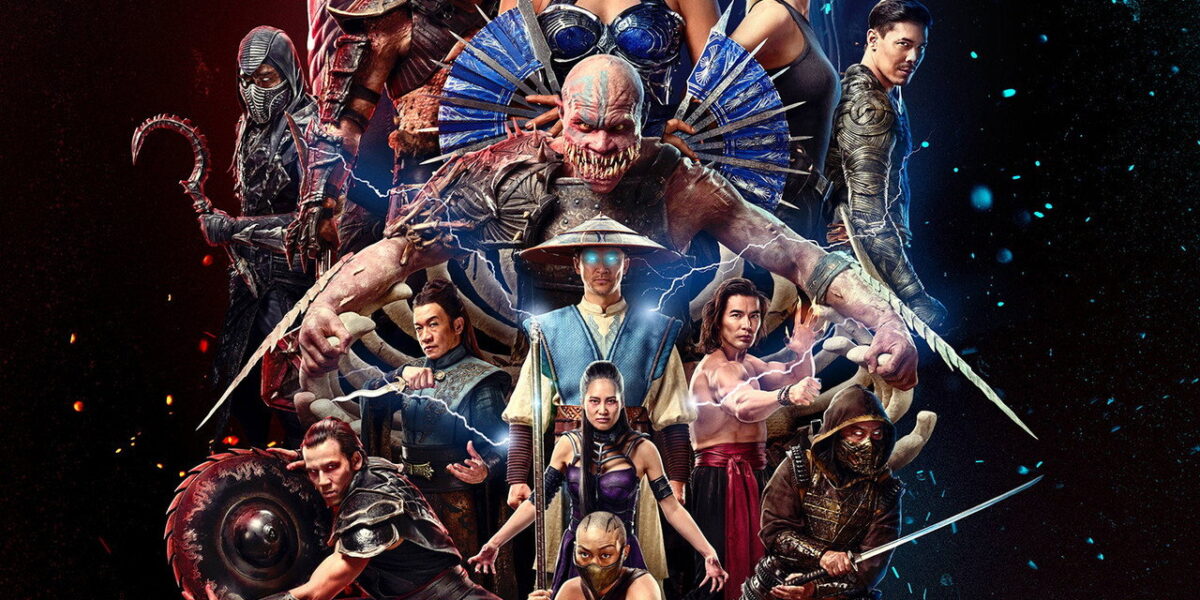
Mortal Kombat II: Honest Review — Is It Worth Watching? | 7.3/10
Mortal Kombat II swings harder than the first one but can’t quite stick the landing—it’s a stylish, gore-soaked punch to the gut that loses steam the moment you stop grinning at the fatalities.
If you’re into big dumb action spectacles with genuinely inventive fight choreography, this sequel delivers enough flash and blood to justify a theater ticket, though the bloated plot about Shao Kahn’s conquest feels like filler between finishing moves.
| Director | Simon McQuoid |
| Cast | Karl Urban, Adeline Rudolph, Jessica McNamee, Ludi Lin, Mehcad Brooks |
| Runtime | 116 min |
| Genre | Action, Fantasy, Adventure |
| Year | 2026 |
Mortal Kombat II: The plot (no spoilers)
Mortal Kombat II tosses the old gang back into the arena with Johnny Cage finally joining the roster, and this time the stakes involve stopping Shao Kahn from basically destroying reality or whatever it is dark sorcerers do when they’re bored. The premise is exactly what you want from a video game adaptation—fighters fighting, realms colliding, the works—and the film leans hard into the carnival-barker energy of characters summoned to bash each other senseless.
The movie doesn’t pretend to be Shakespeare, which is its greatest strength and most glaring flaw simultaneously. McQuoid’s work embraces the absurdity of tournament structures and mystical mumbo-jumbo, keeping the tone perpetually caught between self-aware camp and genuine spectacle, meaning you’ll laugh when you’re supposed to take things seriously and vice versa.
Acting & direction
Karl Urban brings that grizzled action-hero charisma to his role, all leather and swagger without much emotional depth—he’s clearly having fun being the closest thing to a protagonist this thing has, though the script never gives him anything meaty to chew on. Adeline Rudolph and Jessica McNamee hold their own in the fight sequences, but the dialogue never rises above “we must stop the bad guy,” leaving most of the cast stranded in exposition hell between battle scenes.
McQuoid shoots fight choreography with real flair—handheld cameras that actually follow the action instead of cutting it to death—but he can’t quite figure out how to pace the film’s downtime. The cinematography is crisp and occasionally gorgeous in its use of blue and neon lighting, though the score wallpapers over emotional moments that should probably hit harder, and at 116 minutes the movie feels stretched thinner than it needs to be.
The strengths
- The action sequences are genuinely inventive, with fight choreography that shows respect for the source material’s over-the-top signature moves.
- The film doesn’t waste time on brooding introspection and keeps the energy punchy and propulsive, understanding that this is a video game world where camp is a feature, not a bug.
- Visual effects on the fatalities and special attacks land with grotesque satisfaction, delivering the kind of cartoonish gore that fans came specifically to witness.
The weaknesses
- The plot about Shao Kahn threatening the Earthrealm is aggressively generic, and the film spends far too much screen time on narrative mechanics that nobody in the audience genuinely cares about.
- Character development is virtually non-existent—every fighter gets introduced, says their catchphrase, and then disappears into the scenery until it’s time for their next fight scene.
Who should watch it
This is tailor-made for people who grew up mashing buttons in arcades and have always wanted to see Mortal Kombat II rendered with modern fight choreography and practical effects. If you love action-adventure films that don’t take themselves too seriously and can appreciate stylish combat over substance, you’ll find plenty to enjoy here. Skip it if you’re looking for character arcs, emotional stakes, or anything resembling narrative coherence beyond “heroes punch villains until the credits roll.”
Final verdict
The film succeeds entirely on the strength of its action design and fails completely at everything else, which somehow still amounts to a pretty entertaining couple of hours if your expectations are calibrated correctly. Mortal Kombat II is the rare sequel that’s actually more fun than its predecessor, even if it’s still fundamentally hollow—it knows exactly what it is, swings for the fences with zero apologies, and delivers enough stylish brutality to justify the ticket price for the target audience. Not a masterpiece, not essential viewing, but a solid popcorn punch that lands more often than it whiffs, rated 7.3/10.
Scopri di più su IMDB.
FAQ
Is Mortal Kombat II better than the first film?
Yes—the action is sharper, the CGI feels less video-gamey, and Karl Urban brings more screen presence than the previous lead. The plot is still thin, but the execution is cleaner and more confident.
Do I need to watch the first Mortal Kombat to understand this one?
Not really. The film does a quick recap of the tournament concept and reintroduces characters efficiently enough that newcomers won’t feel lost, though familiarity with the franchise definitely adds to the fan-service moments.
How graphic is the violence in Mortal Kombat II?
It’s rated for adult audiences—fatalities and finishing moves are rendered with explicit gore and practical effects, though it leans more toward stylized video-game violence than realistic carnage.
Is Johnny Cage a good addition to the cast?
Karl Urban‘s Johnny Cage works as the film’s anchor point and provides some much-needed charm, though the script doesn’t give him room to develop beyond “cool action guy with witty quips.”
Should I see Mortal Kombat II in theaters or wait for streaming?
The action choreography and fight sequences are designed for the big screen—if you care about how the battles look, theaters are worth it; if you’re only interested in plot, streaming will do just fine.