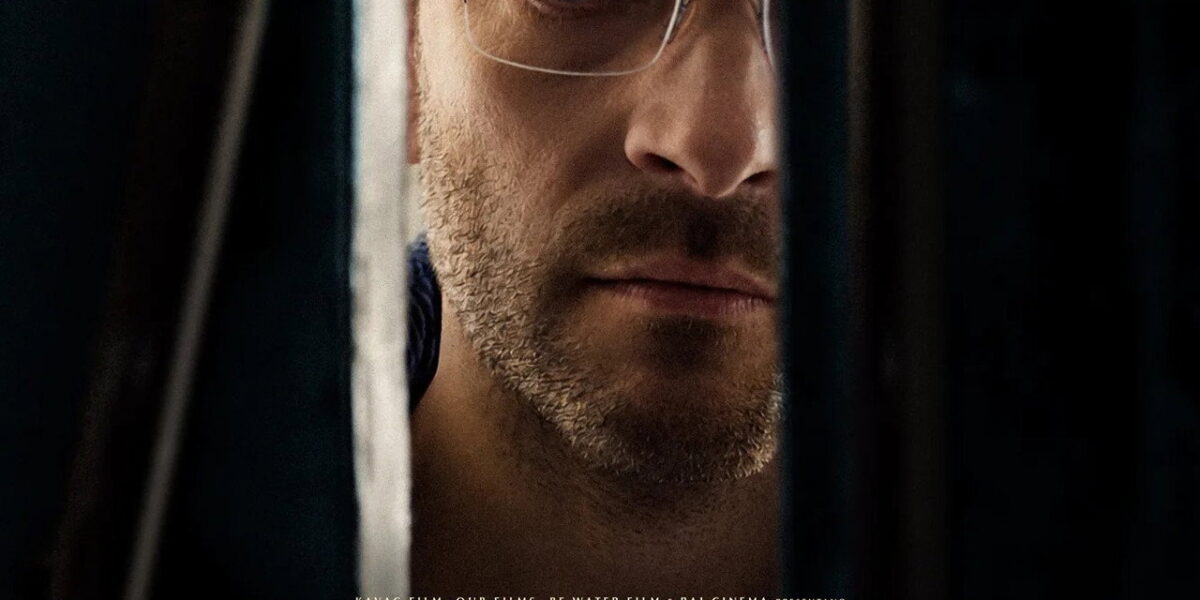
No Pain: Honest Review — Is It Worth Watching? | 6.6/10
No Pain is a morally claustrophobic drama that swings for something big but lands in muddled territory — Amelio’s command of atmosphere can’t quite compensate for a narrative that feels like it’s searching for its own center.
| Director | Gianni Amelio |
| Cast | Alessandro Borghi, Valeria Golino, Felicita Ramundo, Alberto Vecchiato, Valerio Mastandrea |
| Runtime | 96 min |
| Genre | Drama |
| Year | 2026 |
The plot (no spoilers)
No Pain tracks the implosion of a man named Davide after an accident that wasn’t quite his fault — but his conscience doesn’t care about semantics. The film watches him spiral through increasingly dubious decisions, each one supposedly inching him closer to some kind of redemption or at least understanding. It’s the kind of premise that demands rigor and psychological precision, and Amelio’s work attempts both with mixed results.
The movie exists in that grey zone between intimate character study and moral thriller, where the real threat is internal and the stakes feel both enormous and utterly private. There’s a woman named Elsa who represents some possibility of salvation, though the film doesn’t always articulate why she matters beyond being the narrative’s emotional anchor. The tone is deliberately heavy, deliberately serious — there’s no winking here, which is either the film’s greatest strength or its most frustrating limitation depending on your patience for unironic suffering.
Acting & direction
Alessandro Borghi carries this thing on his shoulders like someone genuinely drowning in guilt, though his performance occasionally tips toward self-flagellation rather than revelation. Valeria Golino brings a kind of weary grace to Elsa, suggesting depths the script doesn’t always let her explore. The supporting players feel more like functions than fully realized people, which isn’t entirely their fault — the film is so locked onto Davide’s perspective that everyone else gets reduced to reflective surfaces.
Amelio’s direction favors long takes and spatial composition over flashy editing, which creates a suffocating intimacy that works when the material justifies it. The cinematography is deliberately muted, all grey light and cramped interiors that mirror Davide’s mental state without being obvious about it. Where the film stumbles is pacing — at ninety-six minutes it still feels bloated, as if Amelio trusted his concept more than he trusted the viewer to get there on their own.
The strengths
- Borghi’s performance is genuinely harrowing in its commitment to portraying someone who cannot forgive himself.
- The film’s refusal to offer easy catharsis or redemptive platitudes carries real integrity, even when it becomes exhausting.
- Amelio demonstrates a genuine gift for building dread through mise-en-scène and the architecture of a room rather than through manipulation or manufactured conflict.
The weaknesses
- The narrative structure is frustratingly elliptical — the film withholds information in ways that feel like it’s playing games with the audience rather than deepening mystery.
- Elsa’s character never breaks free from being a symbolic figure, and Golino’s talent is wasted on dialogue that rarely gives her anything substantive to hold onto.
Who should watch it
This is for people who loved the **psychological intensity** of Bergman’s work and can sit with prolonged moral discomfort without needing resolution. If you appreciate **slow cinema** that prioritizes atmosphere and performance over plot mechanics, and you’re willing to accept that some films are more interested in asking questions than answering them, then No Pain deserves your time. It’s not entertainment in the conventional sense — it’s penance disguised as art.
Final verdict
No Pain is an ambitious swing that doesn’t entirely connect, but you have to respect the commitment to the attempt. Amelio creates spaces of genuine emotional pressure and Borghi refuses to let us off the hook, which counts for something in a landscape crowded with emptier provocations. The film’s sins are of overreach rather than lack of effort — it wants to say something profound about guilt and redemption but doesn’t quite find the shape to contain those ideas. Worth watching for patient viewers who value ambition over execution, but don’t expect satisfaction at the finish line.
FAQ
Is No Pain worth watching in 2026?
If you love demanding **character dramas** and can tolerate unresolved moral ambiguity, yes — though be prepared for a heavy, often frustrating experience rather than a traditional narrative payoff.
What is No Pain about?
A man named Davide spirals after causing an accident and makes increasingly questionable choices, seeking some form of peace through a connection with a woman named Elsa in this Italian **psychological drama**.
Does Valeria Golino have a big role in No Pain?
Golino plays Elsa, Davide’s potential path to redemption, but her character remains more symbolically important than dramatically developed — the film prioritizes Borghi’s internal collapse over her arc.
How long is No Pain?
The film runs ninety-six minutes, though its deliberately slow pacing and elliptical structure make it feel longer than its runtime suggests.
Who directed No Pain?
Gianni Amelio directed this 2026 drama, bringing his signature slow-cinema approach and mastery of spatial dread to a story about guilt and moral collapse.