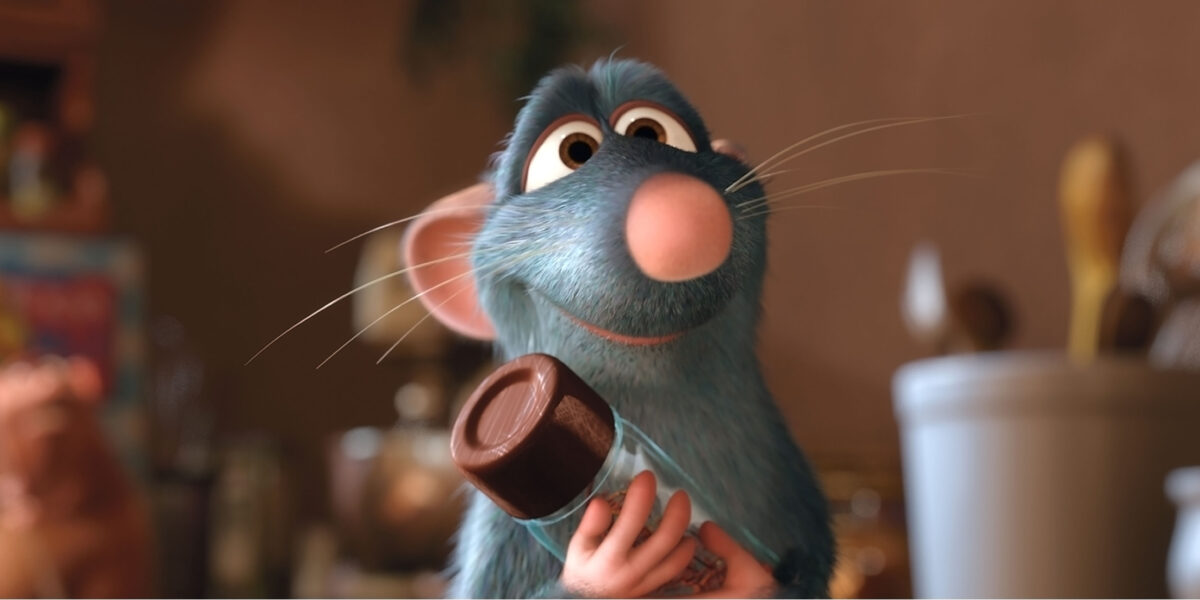
Patton Oswalt Backs Ratatouille 2 Sequel Idea, But Only If It Avoids Being a ‘Money Grab’
Patton Oswalt, voice of Remy in Pixar’s beloved 2007 film, expressed openness to a Ratatouille 2 sequel during recent interviews. However, the actor cautioned that any follow-up must prioritize artistic integrity over commercial interests, as Pixar develops multiple franchise continuations.
Ratatouille 2 sequel: The Details
Patton Oswalt’s comments about a potential Ratatouille 2 sequel come at a pivotal moment for Pixar Animation Studios. The studio is aggressively expanding its franchise portfolio with Toy Story 5 arriving in theaters and several sequels in active development, including Incredibles 3, Monsters Inc. 3, and Coco 2. Despite the success of the original Ratatouille—which won the Academy Award for Best Animated Feature—Pixar has notably resisted creating a direct sequel to Brad Bird’s 2007 masterpiece.
Oswalt’s nuanced stance reflects a growing industry conversation about sequel quality. He acknowledged that many sequels feel “inorganic,” prioritizing profit over narrative necessity. The actor’s willingness to return as Remy is conditional: the project must serve the story rather than merely capitalize on nostalgia and brand recognition. This perspective challenges the current Pixar model of extensive franchise expansion.
The timing of Oswalt’s remarks is significant, arriving as animation audiences express fatigue with endless sequels. While Pixar has demonstrated remarkable creativity with original films like Inside Out and Coco, the studio’s recent strategic shift toward established franchises raises questions about creative priorities. Oswalt’s commentary suggests some industry voices remain committed to artistic standards amid commercial pressures.
What This Means for Cinema
Oswalt’s perspective highlights a critical tension in contemporary Hollywood: the conflict between artistic vision and shareholder expectations. His hesitancy about Ratatouille 2 unless properly developed mirrors broader audience concerns about sequel saturation in animation. When established actors voice creative reservations, it signals potential internal industry debate about project viability and authenticity.
The actor’s “money grab” concern resonates beyond Pixar, affecting how studios approach franchise development across the board. Quality sequels like Toy Story 3 and Toy Story 4 prove that follow-ups can succeed artistically and commercially when properly crafted. Conversely, unnecessary sequels damage franchises and audience trust. Oswalt’s conditional support suggests audiences deserve better than obligatory continuations designed purely for financial extraction.
This conversation also impacts upcoming creators and voice actors who may now feel empowered to question project merit. If established talents like Oswalt can publicly advocate for creative integrity, it may encourage more honest industry discourse about which stories deserve expansion.
What We Know So Far
- Ratatouille (2007) remains Pixar’s sole Oscar-winning film without a direct sequel, despite commercial and critical success
- Patton Oswalt voiced Remy the rat and has expressed openness to returning if creative quality justifies the project
- Pixar currently develops Toy Story 5, Incredibles 3, Monsters Inc. 3, and Coco 2 among other sequels
- Brad Bird directed the original Ratatouille but has not been announced for potential sequel development
- Oswalt specifically cautioned against “inorganic” sequels that prioritize profit over storytelling integrity
What’s Still Unknown
- Whether Pixar has actively developed or considered a Ratatouille 2 project in recent years
- If Brad Bird would return to direct a potential sequel or what creative team would lead the project
- What specific narrative elements Oswalt believes would justify creating a Ratatouille sequel
- Whether audiences genuinely desire a Ratatouille 2 or if the film’s legacy benefits from remaining standalone
The Ratatouille 2 discussion ultimately reflects larger questions facing animation studios. As Pixar prioritizes franchise expansion, creatives like Oswalt advocate for selective sequel development. Whether the studio listens to these concerns remains uncertain, but the conversation itself signals shifting industry attitudes toward quality over quantity in animated franchising.