Silent Friend: Honest Review — Is It Worth Watching? | 6.9/10
Silent Friend is a deliberately paced meditation on time, memory, and the witness objects that contain them—a film that demands patience and rewards contemplation in equal measure. It’s worth watching if you crave cinema that refuses to explain itself, though Enyedi’s vision may leave conventional audiences checking their watches.
| Director | Ildikó Enyedi |
| Cast | Tony Leung Chiu-wai, Luna Wedler, Enzo Brumm, Sylvester Groth, Martin Wuttke |
| Runtime | 147 minutes |
| Genre | Drama |
| Year | 2026 |
Silent Friend: The plot (no spoilers)
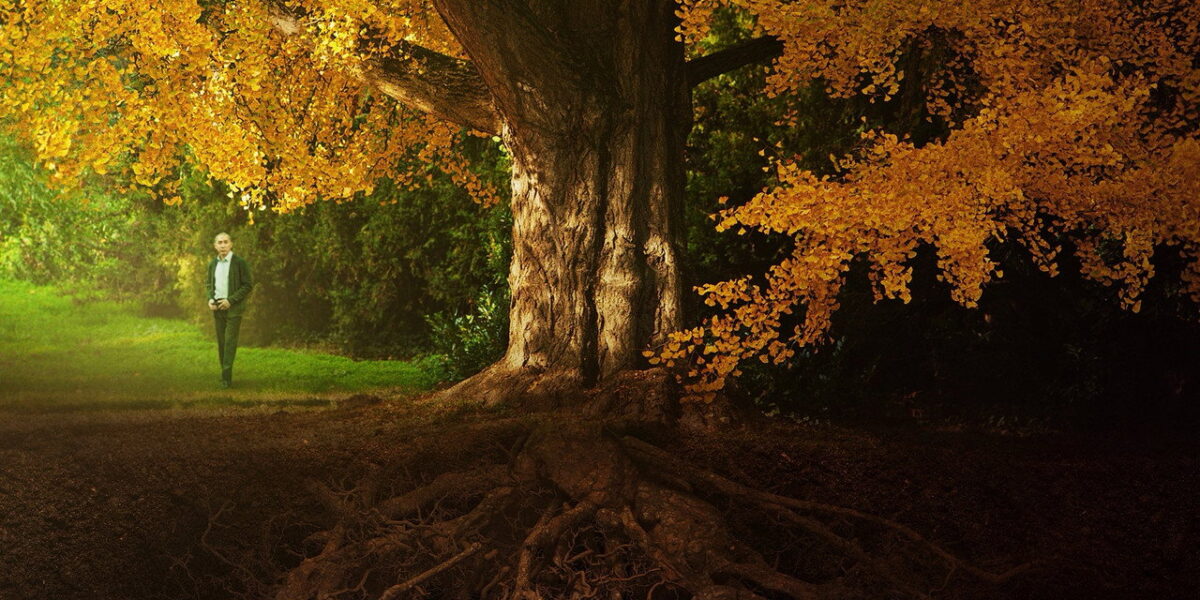
Silent Friend anchors itself to a ginkgo tree in a German university town’s botanical garden, using this ancient specimen as the connective tissue across three separate temporal narratives spanning the twentieth and twenty-first centuries. Each story involves characters drawn magnetically to this tree, carrying unspoken grief, longing, or transformation that they cannot articulate to the people around them, only to this mute, patient witness of seasons and decades.
The film unfolds with the deliberate rhythm of a tree’s growth itself—glacial, non-linear, occasionally frustrating to those expecting dramatic momentum or plot resolution. Enyedi strips away conventional narrative scaffolding, trusting viewers to sit with ambiguity and find meaning in glances, silences, and the particular way light hits a face or a leaf, making the movie feel more like a philosophical essay than a traditional three-act structure.
Acting & direction
Tony Leung Chiu-wai carries the film’s contemporary segment with his characteristic restraint, playing an aging man grappling with mortality and regret without ever needing to verbalize his demons. Luna Wedler and Enzo Brumm inhabit their younger characters with an unsettling quietness, while Sylvester Groth and Martin Wuttke bring weathered gravity to their roles—everyone here understands that less is catastrophically more.
Enyedi’s direction is glacially composed; every frame feels considered to the point of obsession, with the camera often preferring stillness over movement, letting actors breathe in extended takes that border on uncomfortable. The score is sparse and occasionally discordant, never quite settling into emotional comfort, while the cinematography renders the German landscape as both beautiful and isolating, turning the botanical garden into something approaching a character itself rather than mere backdrop.
The strengths
- The central conceit of the ginkgo tree as temporal anchor is genuinely poetic and gives the film a thematic coherence that justifies its structural opacity.
- Enyedi’s refusal to manufacture meaning or tie narrative threads together demands intellectual engagement from viewers rather than passive consumption of plot points.
- Tony Leung‘s understated performance alone justifies the runtime—watching him inhabit silence and exhaustion is masterclass-level work that most contemporary cinema never achieves.
- The film captures something true about how people actually experience transformation: incrementally, wordlessly, often in moments no one else witnesses or understands.
The weaknesses
- At 147 minutes, the film’s glacial pacing becomes self-defeating in stretches where contemplation tips into mere tedium, and Enyedi seems to confuse length with depth in ways that don’t always justify themselves narratively.
- The three-timeline structure occasionally feels arbitrary rather than organic, and connecting threads between the three storylines remain so gossamer-thin that some viewers will experience them as three separate short films rather than a unified work.
- The film’s commitment to ambiguity and silence occasionally reads as pretension for pretension’s sake, withholding emotional access to characters in ways that frustrates rather than fascinates.
Who should watch it
This is cinema exclusively for the contemplative drama enthusiast—viewers who adored the quietude of Bergman’s later work, or the tonal minimalism of psychological character studies like “The Farewell” or “Carol.” If you believe cinema should challenge you rather than comfort you, and patience ranks higher than plot momentum in your viewing values, Silent Friend will feel like a gift, not a punishment.
Final verdict
Enyedi has created something genuinely singular here—a film that trusts its audience with profound uncertainty and emotional complexity while refusing to provide the reassurance of resolution or explanation. The movie sits with you like a companion who doesn’t need to speak, which is its greatest strength and most significant barrier to connection. It’s handcrafted cinema for a specific, philosophically inclined viewer, though its 6.9 rating suggests most audiences found its glacial pacing and narrative ambiguity more obstacle than invitation. Worth experiencing once if you have the temperament for it; essential viewing if you’re the type who finds meaning in what’s left unsaid.
FAQ
Is Silent Friend based on a true story?
No, the film is an original work by director Ildikó Enyedi, though the ginkgo tree in the German botanical garden is real and serves as the conceptual anchor for her fictional three-timeline narrative.
How is Tony Leung Chiu-wai’s performance?
Tony Leung delivers understated, nuanced work that relies on glances and breathing rather than dialogue—it’s among his finest performances and worth the price of admission alone.
What does the ginkgo tree symbolize in the film?
The tree functions as a silent witness to transformation and loss across three distinct time periods, representing constancy amid human change and the way natural objects outlast human meaning-making.
Is this film slow-paced?
Extremely slow-paced by contemporary standards; Enyedi employs extended takes, minimal dialogue, and glacial editing that demands active patience and contemplative engagement from viewers.
Will I understand the ending?
The film deliberately resists conventional resolution; you’ll need to make your own connections between the three storylines and sit with ambiguity rather than expecting narrative clarity.